Overview
Practical Indoor Care Tips for Southeast Asia
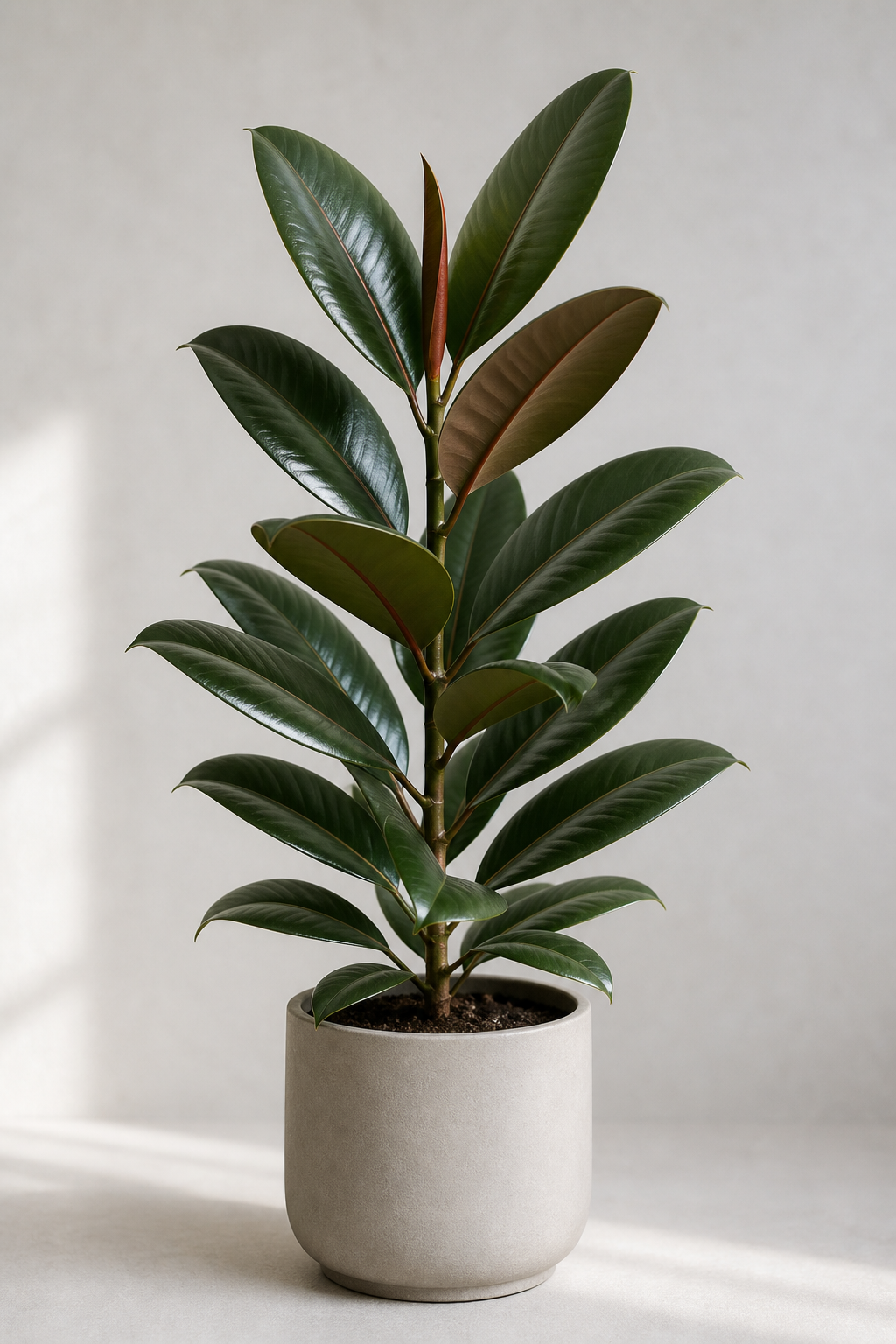
This article provides a comprehensive guide for rubber plant (Ficus elastica) owners in Southeast Asia, addressing leaf cleaning, humidity control, airflow management around air conditioners, and integrated spider mite control during the monsoon season. By following a systematic routine of gentle cleaning, indirect AC airflow, moisture regulation, and early pest detection, indoor gardeners can maintain healthy, glossy rubber plants year‑round.
1. Understanding the Environment
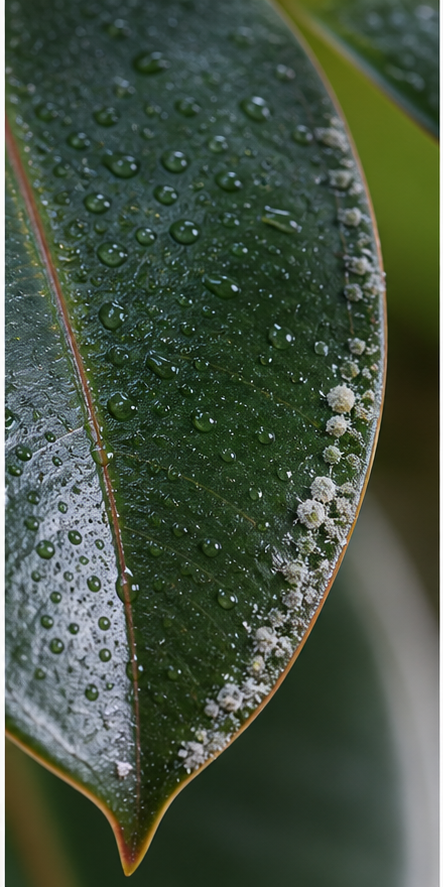
Rubber plants originate from tropical Asia and thrive in warm, moderately humid conditions. In Southeast Asian homes, air conditioners create cool, dry drafts, while the monsoon season brings high humidity that can leave water droplets on leaves. Both extremes stress the plant if not managed properly. The key to stability lies in regular leaf cleaning, controlling air circulation, and monitoring humidity levels.
2. Daily Leaf Cleaning Techniques
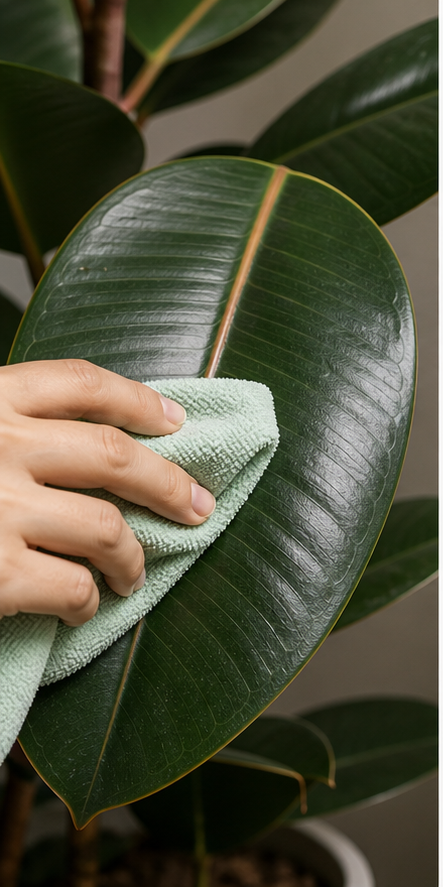
1. Gentle Wiping: Use a soft microfiber cloth or damp sponge once a week to wipe both the upper and lower surfaces of each leaf. Dampen the cloth with lukewarm water, then wring out excess moisture to prevent water from pooling at the leaf axils. 2. Light Misting: On mornings or evenings when the AC is off, mist the leaves lightly with a fine spray bottle to remove dust and raise local humidity. After misting, gently pat the leaves dry with a cloth to avoid prolonged surface wetness. 3. Cleaning Leaf Axils: The leaf axils (where the leaf meets the stem) often trap debris and pest eggs. Use a soft‑bristled brush (e.g., an old toothbrush) to clean these crevices, promoting better airflow and reducing pest hideouts.
3. Managing Air‑Conditioner Airflow
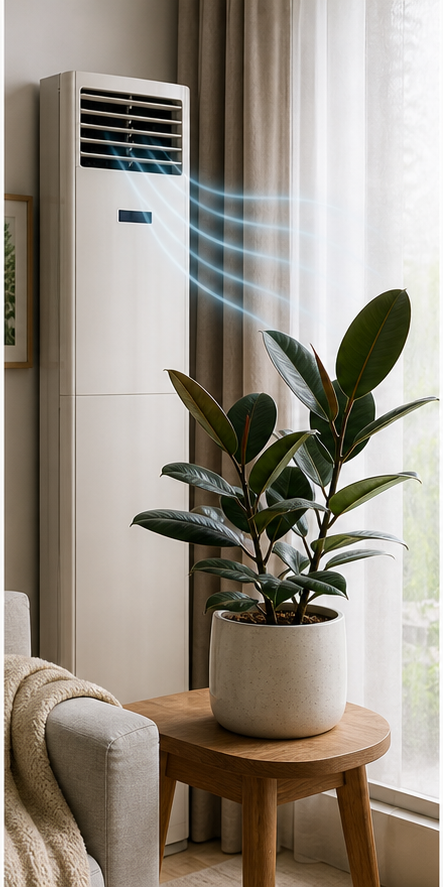
1. Avoid Direct Cold Drafts: Position your rubber plant so that the AC vent does not blow directly onto the foliage. Cold, dry air can cause leaf edges to dry out and develop brown tips. Set the vent to upward or sideward direction to allow gentle circulation without a direct blast. 2. Maintain Ideal Temperature: Keep indoor temperatures between 22 °C and 26 °C (72 °F–79 °F). Avoid setting the AC below 20 °C (68 °F) to prevent temperature stress that can lead to yellowing leaves. 3. Use a Small Circulation Fan: Place a quiet, oscillating fan near the plant to create a gentle, continuous air movement. This helps keep leaf surfaces dry, discourages fungal growth, and mitigates the static dry air produced by the AC.
4. Controlling Humidity During the Monsoon Season
1. Prevent Water Accumulation: During the monsoon, humidity often exceeds 80 %. Ensure the pot has drainage holes and use a well‑aerated potting mix (e.g., peat‑based soil mixed with perlite). Empty saucers promptly to avoid waterlogging the roots. 2. Localized De‑humidification: If indoor humidity stays high, run a portable de‑humidifier or move the plant to a drier room (e.g., a bedroom with a window). Aim for relative humidity around 50‑60 % for rubber plants. 3. Strategic Ventilation: Open windows during dry mornings or evenings to let in outside air. Even short bursts of ventilation can lower indoor humidity and reduce the risk of mold on leaf surfaces. Avoid strong drafts that could physically damage the leaves.
5. Integrated Spider Mite Management
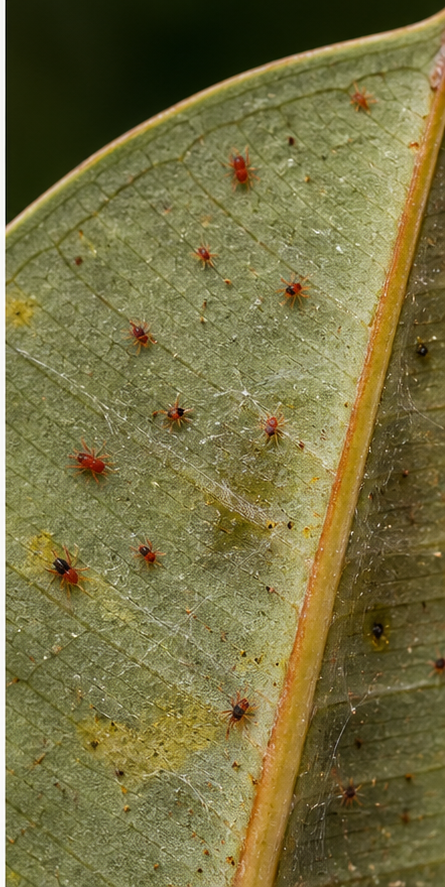
1. Early Detection: Spider mites feed on the undersides of leaves, causing tiny yellow specks and fine webbing. Inspect the leaf undersides weekly, especially during hot, dry spells when mite activity spikes. 2. Physical Removal: If you spot a few mites, dab them with a soft brush dipped in a mild soapy solution (a few drops of fragrance‑free liquid soap in water). Follow up by rinsing the leaves with clean water to remove soap residue. 3. Botanical Sprays: A safe, home‑friendly option is diluted neem oil or horticultural oil. Mix according to product directions and spray the leaf undersides and upper surfaces early in the morning or late afternoon. Repeat every 7‑10 days for 2‑3 cycles to control mite populations without harming beneficial insects. 4. Environmental Adjustments: Spider mites proliferate in dry, stagnant conditions. Boosting humidity with a humidifier or a shallow water tray near the plant and maintaining gentle air movement creates an environment less favorable to mites. 5. Monitoring Frequency: After treatment, check leaf undersides every two weeks and record mite activity. If populations rebound despite physical and botanical measures, consider a low‑concentration pyrethrin‑based spray from a reputable garden center, strictly following label instructions to protect pets and children.
6. Common Problems and Solutions
- Yellowing Leaves: Often caused by over‑watering or direct AC drafts. Check soil moisture, reduce watering frequency, and reposition the plant away from the vent.
- Brown Leaf Tips: Indicates dry air or excessive direct sunlight. Increase humidity with a humidifier or light misting, and provide indirect bright light rather than harsh sun.
- Webbing on Leaf Undersides: Classic spider‑mite sign. Initiate physical removal and apply neem oil spray as described.
- White Powdery Spots: Usually mold due to prolonged leaf wetness. Lightly spray with a diluted vinegar solution (1 part vinegar to 10 parts water), then rinse with plain water to inhibit fungal growth.
7. Maintenance Schedule (Recommended)
| Frequency | Tasks | |----------------|-----------------------------------------------------------------------| | Daily | Check for water droplets or dust, gently shake the plant to improve airflow | | Weekly | Wipe leaves with a microfiber cloth, inspect leaf undersides for pests | | Bi‑weekly | Apply neem oil or horticultural oil spray, monitor humidity, adjust de‑humidifier if needed | | Monthly | Inspect roots, repot if necessary, ensure drainage is clear, rotate the plant for even light exposure | | Monsoon season | Increase ventilation, use de‑humidifier, keep foliage dry after rain events | | AC season | Position away from direct vent, keep temperature within 22‑26 °C, run a small circulation fan |
By adhering to this structured care routine, you can keep your rubber plant thriving despite the alternating challenges of air‑conditioned dryness and monsoon humidity. Consistent cleaning, thoughtful airflow management, and vigilant pest control will ensure that your Ficus elastica remains a vibrant, glossy centerpiece in your Southeast Asian home.