Care guide

Complete Guide to Rubber Plant Spider Mites and Dust Stress in Centrally Heated Rooms

This article addresses the dual challenges of spider mite infestations and dust stress affecting rubber plants in European centrally-heated homes during winter.

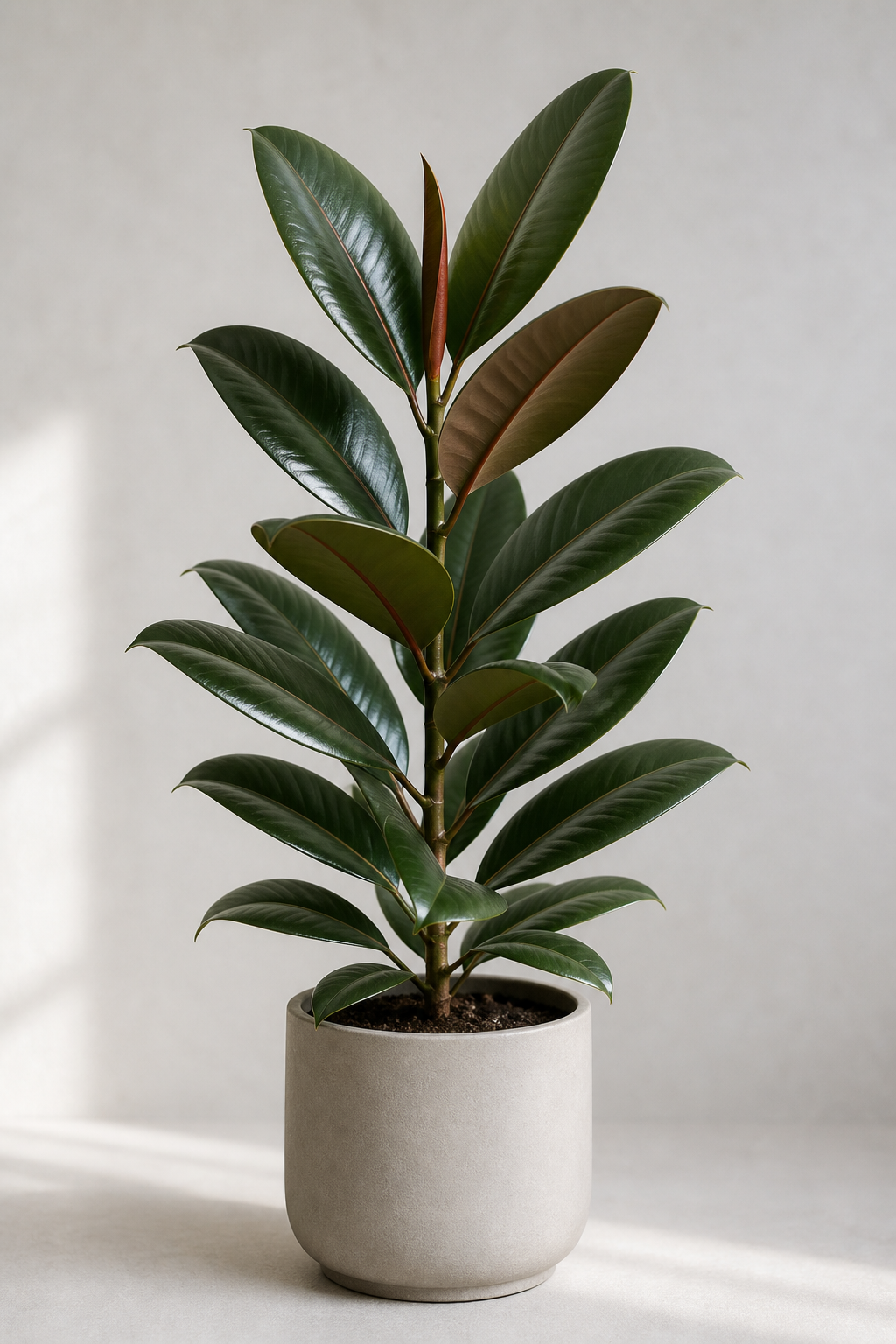
Illustration for the Complete Guide to Rubber Plant Spider Mites and Dust Stress in Centrally Heated Rooms care guide

Quick answer

This article addresses the dual challenges of spider mite infestations and dust stress affecting rubber plants in European centrally-heated homes during winter. It provides comprehensive coverage of spider mite identification, outbreak conditions specific to heated indoor environments, and systematic prevention and treatment strategies.

Difficulty
intermediate
Reading time
8 min
Tags
rubber-plant; spider-mites; dust-stress; centrally-heated-rooms; winter-care; indoor-pests; humidity-control; ficus-elastica
Related plants
ficus-elastica
Related pests
spider-mites
Author
超级管理员

Overview

Essential Winter Indoor Care for European Homes: Identification, Prevention, and Integrated Management Strategies

This article addresses the dual challenges of spider mite infestations and dust stress affecting rubber plants in European centrally-heated homes during winter. It provides comprehensive coverage of spider mite identification, outbreak conditions specific to heated indoor environments, and systematic prevention and treatment strategies. By understanding the relationship between indoor humidity management and plant health, caregivers can maintain the ornamental value of rubber plants throughout the dry heating season.

Identifying Spider Mite Infestations and Cause Analysis

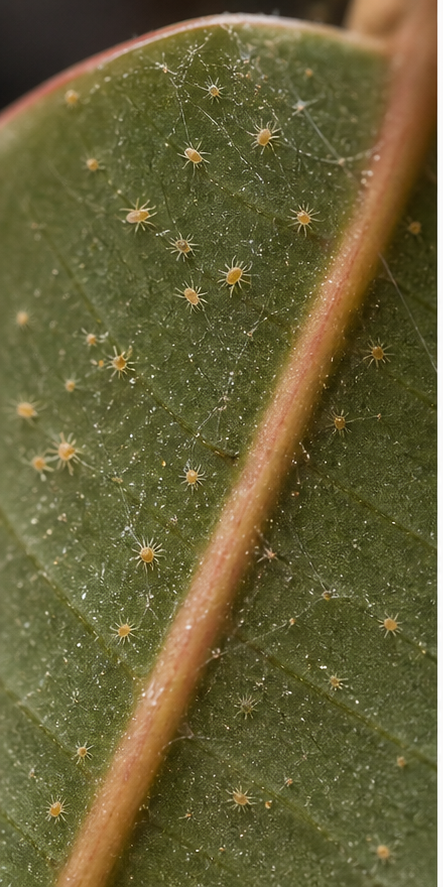
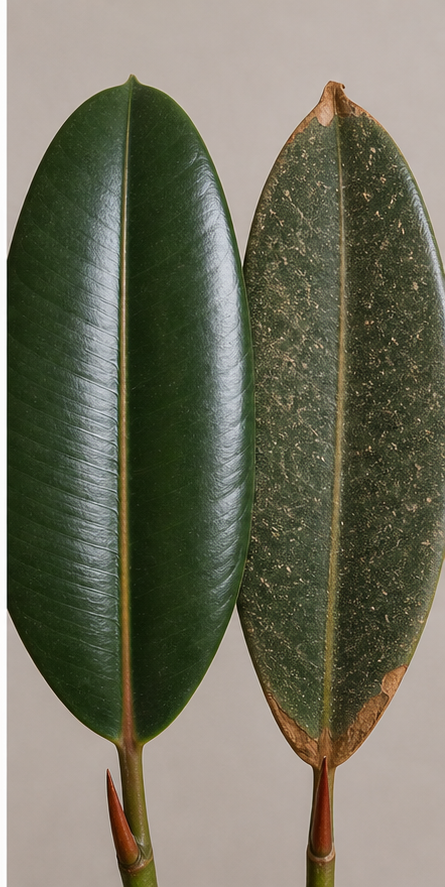
Spider mites (family Tetranychidae, small arthropods) are among the most common pests affecting rubber plants, particularly prone to outbreaks in centrally-heated European apartments during winter. These microscopic mites measure approximately 0.3 to 0.5 millimeters in length, appearing reddish-brown or pale yellow to the naked eye. They colonize the underside of leaves near veins, feeding by piercing leaf tissue with their stylet mouthparts and extracting cellular contents. Early damage appears as fine light yellow stippling on the leaf surface, which gradually expands and merges into larger patches. In severe cases, entire leaves take on a grayish-white or copper-rust discoloration before falling off.

Spider mites reproduce rapidly, completing a life cycle in just 5 to 7 days at temperatures between 25 and 30 degrees Celsius. A single mature female can lay 3 to 5 eggs daily, producing 40 to 60 eggs over her lifetime. In European homes with central heating, room temperatures typically maintain 20 to 24 degrees Celsius while relative humidity often drops to 30% to 40% or below. This warm, dry environment provides ideal breeding conditions for spider mites. Additionally, convective heat currents from radiators accelerate surface moisture evaporation from leaves, further exacerbating plant water stress.

Understanding Dust Stress Effects on Rubber Plants

Dust stress in heated rooms is a frequently overlooked but equally important environmental factor. Airborne particulate matter in indoor air gradually deposits on the broad surfaces of rubber plant leaves, creating a grayish coating. This dust layer blocks stomata and the waxy cuticle on the leaf surface, significantly reducing photosynthetic efficiency as light cannot adequately reach mesophyll cells. Dust also combines with organic residues like oils, skin flakes, and cooking fumes on leaf surfaces, creating conditions favorable for fungal spore germination under higher humidity—this can indirectly trigger secondary diseases such as sooty mold.

From a transpiration perspective, clean rubber plant leaves can transpire approximately 200 to 300 milliliters of water daily through epidermal surfaces, while dust-coated leaves experience a 30% to 50% reduction in transpiration rates. This causes imbalanced water metabolism within the plant, where root water uptake fails to match leaf water loss rates. The result manifests as typical physiological stress symptoms including leaf margin desiccation, brown leaf tips, yellowing, and dull leaf color losing their characteristic glossy appearance. Certain chemical substances in dust—such as microfibers from textiles, carpets, or cooking oil residues—may also directly irritate leaf epidermal cells, causing localized necrotic spotting.

Integrated Environmental Management Strategies

Humidity Management

Increasing air humidity is central to both preventing spider mite outbreaks and controlling dust stress. Rubber plants are native to Southeast Asian tropical rainforests and prefer relative humidity between 50% and 70%. During the European heating season, the following methods effectively raise localized humidity:

The pebble tray method represents the simplest and most effective approach. Place the plant pot on a shallow tray 10 to 15 centimeters larger than the pot base, filling the tray with pebbles or expanded clay and water until it reaches halfway up the stone level. Evaporating water creates localized humidity around the plant (approximately 50%), while preventing the pot bottom from sitting directly in water which could cause root rot. Positioning one of these trays beside each radiator significantly enhances overall effectiveness.

Ultrasonic humidifiers offer rapid improvement to whole-room humidity levels. Maintaining indoor relative humidity between 55% and 65% satisfies both human comfort requirements and exceeds the dry threshold needed for spider mite reproduction. Place humidifiers 1 to 2 meters from plants, avoiding direct continuous misting onto leaves which could promote disease development through prolonged surface wetness.

Temperature Control

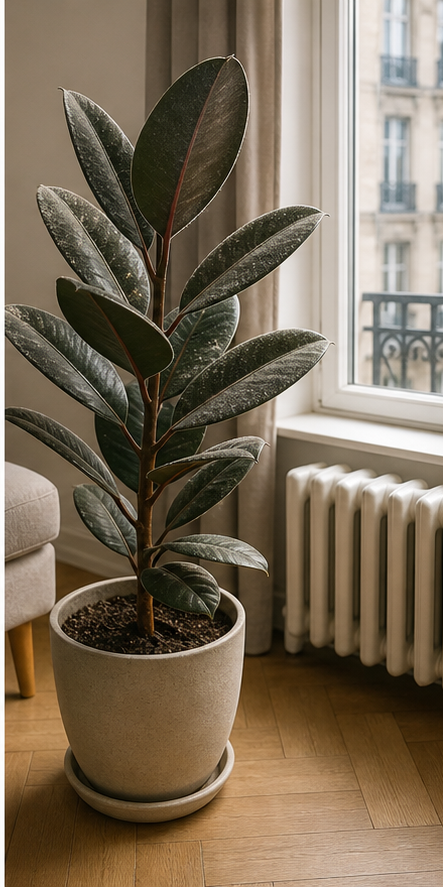
Although central heating maintains consistent room temperature, ambient temperatures immediately surrounding radiators typically exceed room temperature by 3 to 5 degrees Celsius. Position rubber plants away from direct radiator and air conditioning airflow. The ideal location offers good indirect light while avoiding localized overheating—near a window but not directly in front of a heat source.

Systematic Spider Mite Management Solutions

Early Detection and Regular Inspection

Developing a habit of weekly inspections is crucial for managing spider mite damage. During checks, flip leaves to examine the underside, paying particular attention to areas near veins and petiole junctions. A 10x magnification loupe assists in detecting juvenile mites. Early symptoms include evenly distributed fine yellow stippling on leaf surfaces and minimal fine webbing on leaf undersides. Upon discovering water droplet-like glossy spots (mite secretions), take immediate action.

Physical Removal Methods

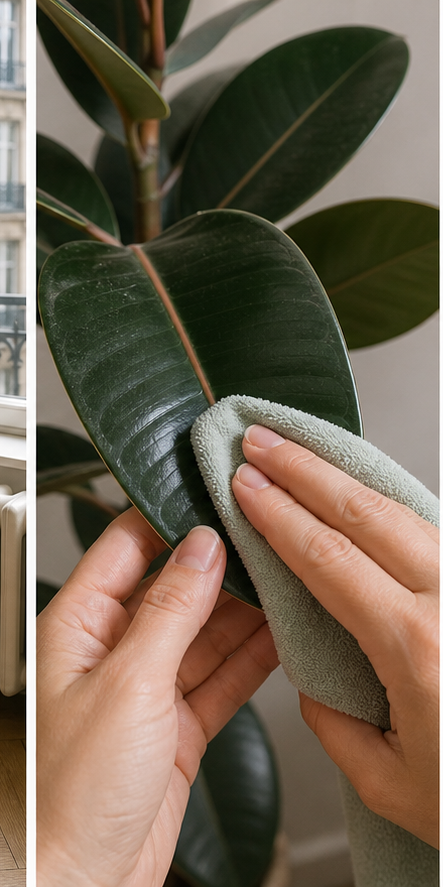
For lightly infected plants, physical removal methods prove effective. Move the pot to a bathroom or sink and thoroughly rinse both leaf surfaces with water, directing particular attention to the undersides—water flow dislodges the majority of mites. Follow with gentle wiping using a soft damp cloth to remove dust and remaining mites and eggs. Repeat weekly for three to four consecutive weeks to achieve effective control on light infestations.

An alternative physical method involves using alcohol-dipped cotton swabs. Soak a cotton swab in 70% isopropyl (rubbing) alcohol and gently wipe leaf undersides, particularly around veins—the alcohol dissolves mite exoskeletons causing dehydration death. Avoid using overly concentrated alcohol to prevent leaf epidermal damage, and rinse with water afterward to remove alcohol residue.

Natural Treatment Preparations

Neem oil, extracted from neem tree seeds, is a natural insecticide with good repellent and inhibitory effects against spider mites. Dilute neem oil concentrate to 1% to 2% concentration (10 to 20 milliliters oil per liter of water), add a few drops of neutral dish soap as an emulsifier, and shake thoroughly before spraying both leaf surfaces, with particular attention to undersides. Apply every 7 to 10 days for three to four consecutive applications to significantly reduce mite populations. Neem oil not only has toxic effects on mites but also disrupts their feeding and reproductive behavior.

Pyrethrum oil serves as another effective natural alternative with similar mechanisms to neem oil. Dilute according to product instructions, typically at 1% concentration, using identical application methods. Rotate between these two natural preparations to prevent mite resistance development. Apply during sunny mornings to allow sufficient leaf drying time, minimizing disease risk.

Emergency Response for Severe Infections

When spider mite populations surge dramatically, leaves show extensive yellowing and drop, and physical and natural methods prove insufficient, consider more decisive measures. Horticultural oil emulsions suffocate mites by blocking their spiracles, providing effective control across all mite life stages with short residual periods and relative environmental and human safety. Thoroughly spray all leaf surfaces including undersides with mineral oil emulsion diluted according to product instructions.

Regardless of the treatment method employed, continuous application for at least one complete reproductive cycle (typically 4 to 6 weeks) is essential, as no single measure can eliminate all mite life stages in one application. Eggs and dormant females may hatch or emerge days later, becoming new infestation sources.

Dust Removal and Leaf Care

Regular Cleaning Techniques

Bi-weekly leaf cleaning is essential for maintaining rubber plant health. Use room-temperature or slightly warm water, dampen a soft sponge or cotton cloth, and gently wipe both leaf surfaces. For stubborn dust spots, add a minimal amount (approximately 1%) of plant leaf cleaner or white vinegar to the water. Wipe gently from leaf base toward tip, avoiding excessive pressure that could damage the leaf epidermis.

Commercial leaf shine products are not recommended. While these products may temporarily increase leaf gloss, they create a chemical film on the surface that blocks stomata and interferes with normal gas exchange and transpiration—ultimately causing more harm than good.

Combining Cleaning with Environmental Improvement

Dust source control is equally important as leaf cleaning. Air purifiers effectively reduce indoor airborne particulate matter, benefiting both occupants and plants. Regularly clean radiator heat exchange surfaces to prevent accumulated dust from becoming airborne through heat currents. When replacing air conditioning filters, choose models designed to filter fine particles. Combined application of these measures significantly reduces dust deposition rates on rubber plant leaves.

Long-Term Health Management

Building Plant Resistance

Healthy rubber plants demonstrate stronger pest and disease resistance. Appropriate fertilization forms the foundation for building plant resilience. During winter heating periods, apply diluted liquid balanced fertilizer (NPK ratio approximately 10-10-10) once monthly at 50% normal concentration. Avoid over-applying nitrogen, which promotes tender new growth that spider mites find particularly attractive for feeding.

Regularly rotate plant position to ensure even light exposure on all sides, maintaining balanced growth form and vigor. Insufficient light causes leaves to become thin and dull-colored, reducing stress resistance. East or north-facing windows provide sufficient but not excessive indirect light, avoiding intense summer sun exposure typical of south-facing positions.

Quarantine and Inspection Protocols

Newly purchased plants or specimens moved from outdoors should undergo quarantine isolation for at least two weeks, during which time they receive careful inspection for pests and diseases. Maintain independent care conditions during quarantine, using separate watering tools to prevent cross-contamination. Spider mites spread through wind dispersal and can transfer between plants via human activity and clothing contact—quarantine represents a critical defense against pest introduction.

Summary of European Heating Season Care Guidelines

The European heating season typically runs from October through April the following year, representing the highest-risk period for rubber plant spider mite infestations and dust stress. Caregivers should establish systematic management routines: weekly leaf inspections for mite indicators, bi-weekly thorough leaf cleaning, daily observation for watering timing and soil moisture levels. When early symptoms appear, intervene promptly to prevent escalation.

Through proper environmental regulation (maintaining humidity between 55% and 65%), appropriate leaf care, scientific organic treatments, and health-enhancing cultivation practices that strengthen plant resilience, even in dry heated room conditions, one can effectively protect rubber plants from the dual stresses of spider mites and dust throughout winter, preserving this elegant tropical specimen's healthy growth and beautiful ornamental value.