Overview
Practical, observable care for Kangaroo Paw at home
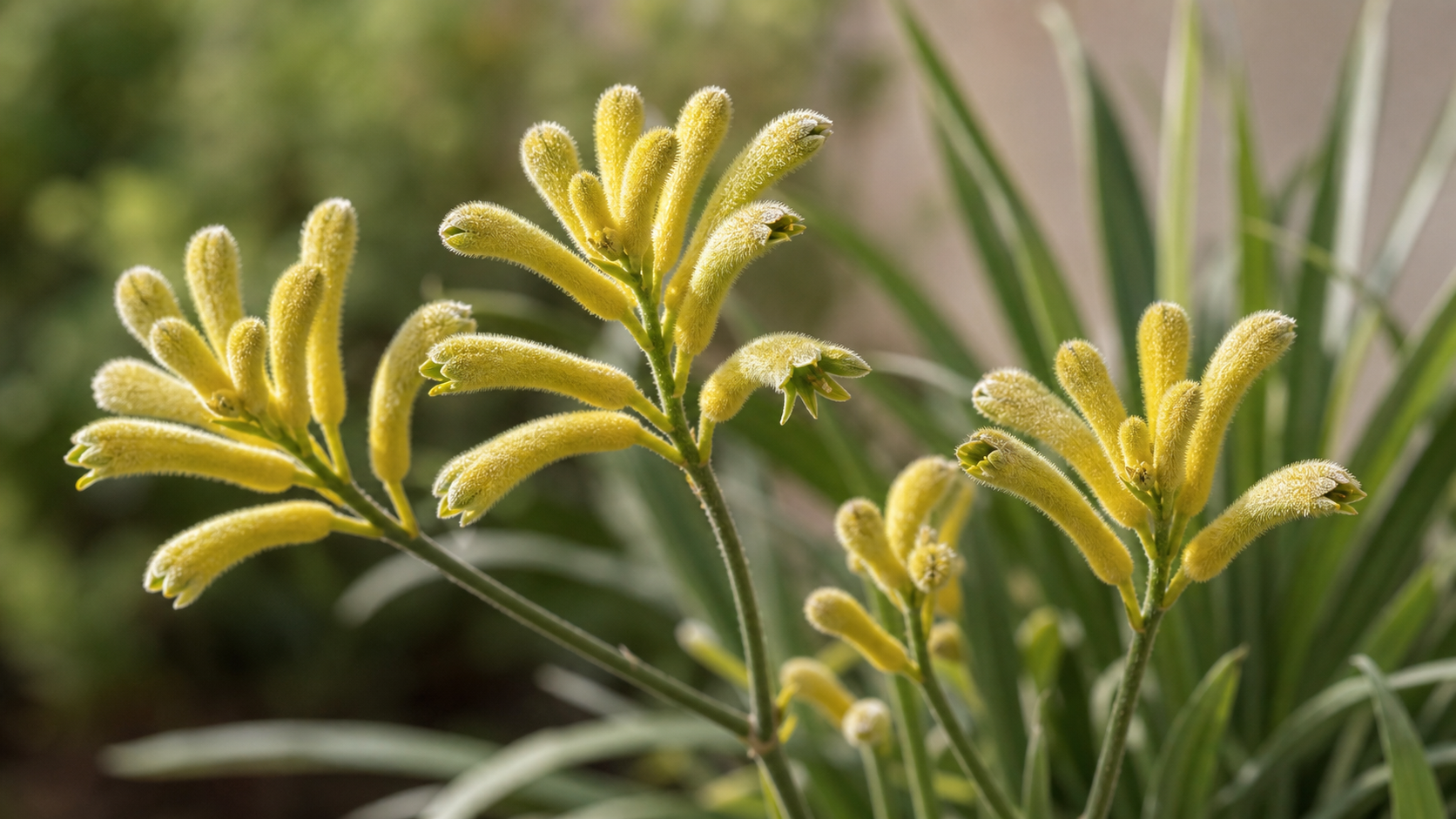
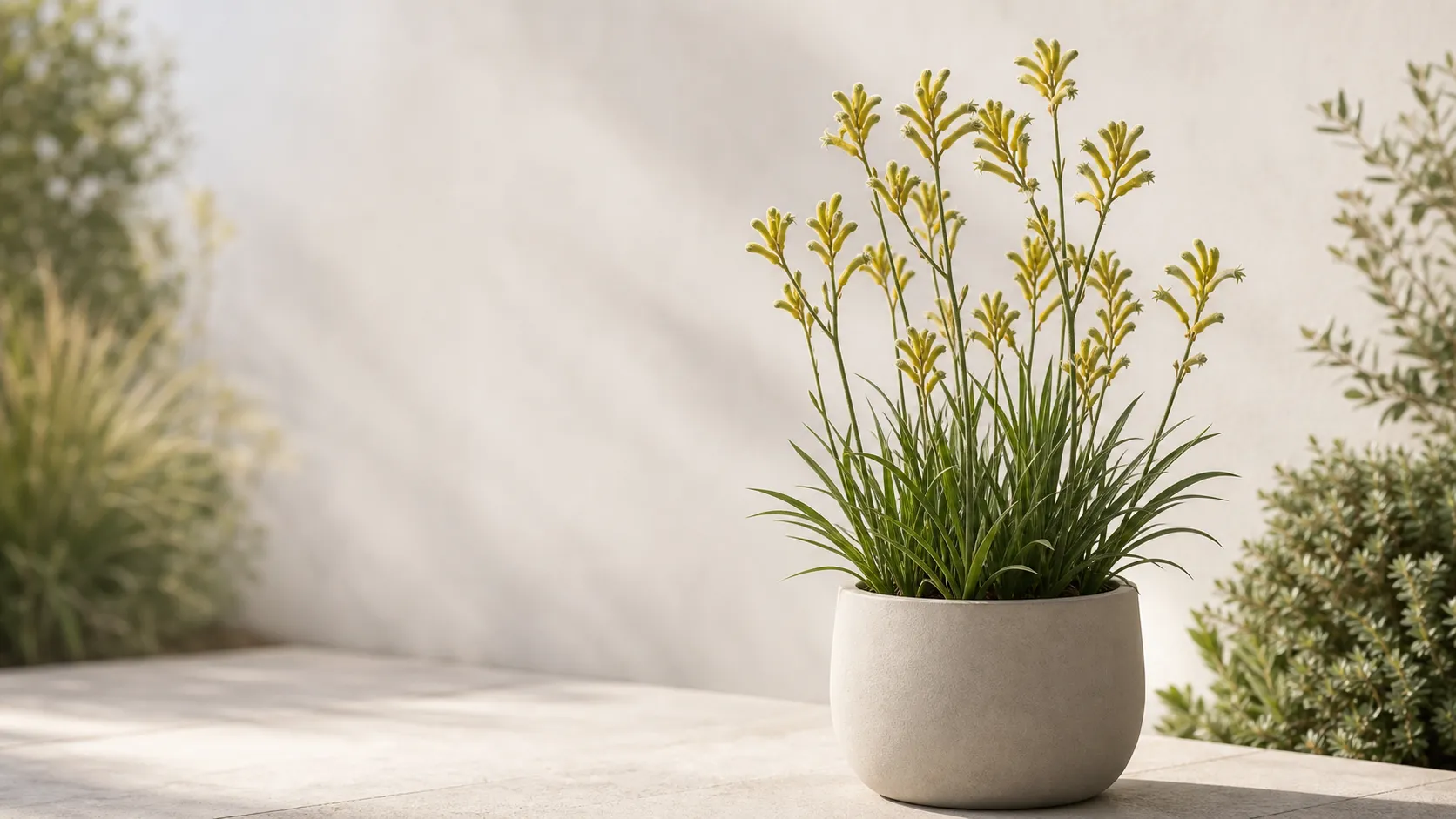
Kangaroo paw is a rhizomatous flowering perennial native to southwestern Western Australia, with velvety tubular flowers on stalks rising above its leaf fans. This guide addresses watering and roots: avoid common mistakes through observable, practical home care.
Check before watering
Water deeply and regularly during active growth and flowering while maintaining free container drainage; reduce water in cool winter conditions and avoid stagnant wet foliage.
Build a stable root zone
Use a freely draining container mix with modest organic matter in a sunny, airy balcony or patio position.
- Water thoroughly when needed, then empty any saucer or cachepot drainage.
- Drying slows as light, temperature, or active growth declines.
- A leaf symptom alone does not prove thirst; judge it together with media and root condition.
When something looks wrong
In cool damp, poorly ventilated conditions, watch for dark leaf blotches associated with ink disease; seedlings and tender foliage are also vulnerable to slugs and snails. If tissue becomes soft, odorous, or continues to decline, isolate and inspect the root zone before acting.