Overview
Practical, observable care for Kangaroo Paw at home
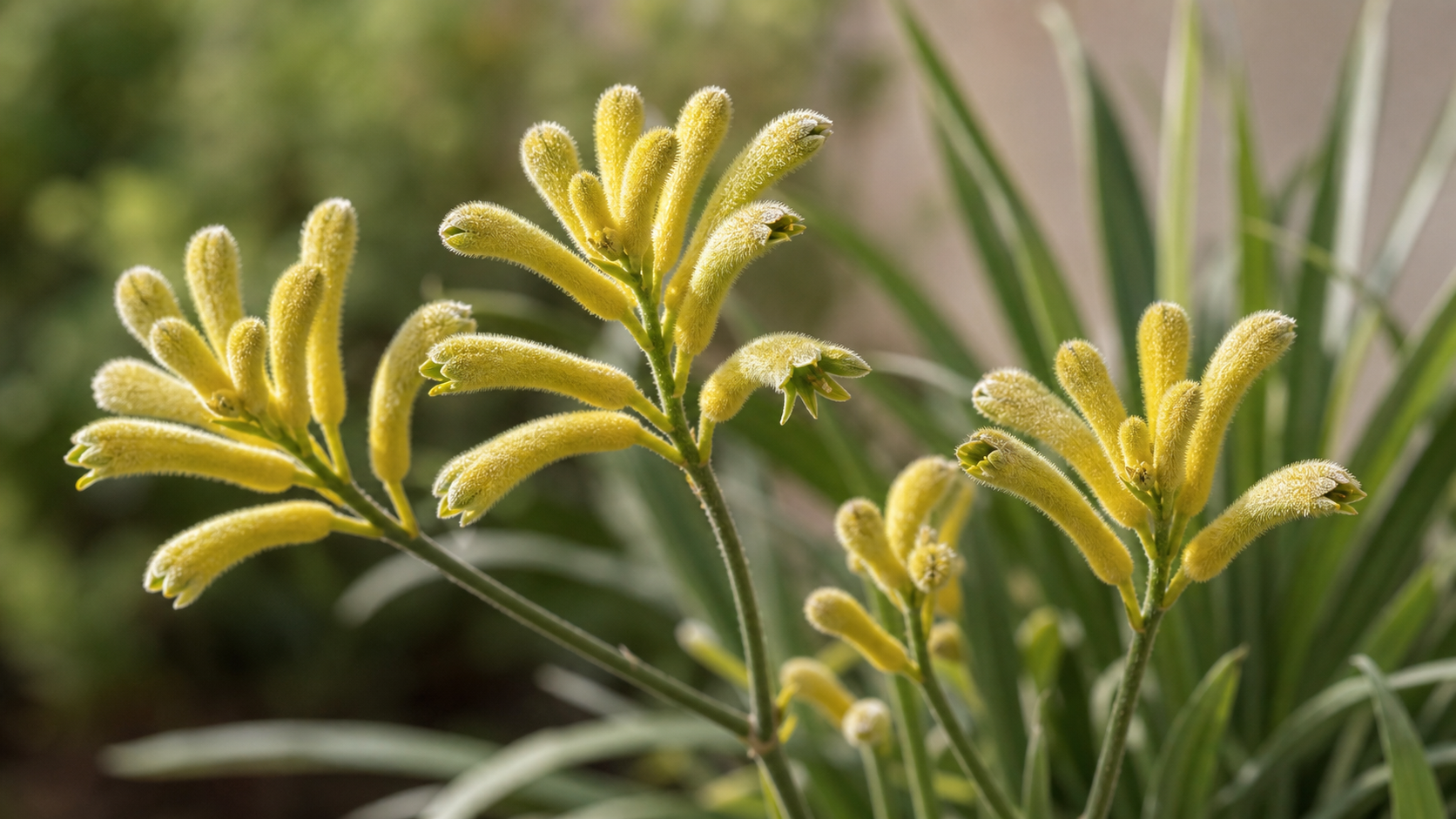
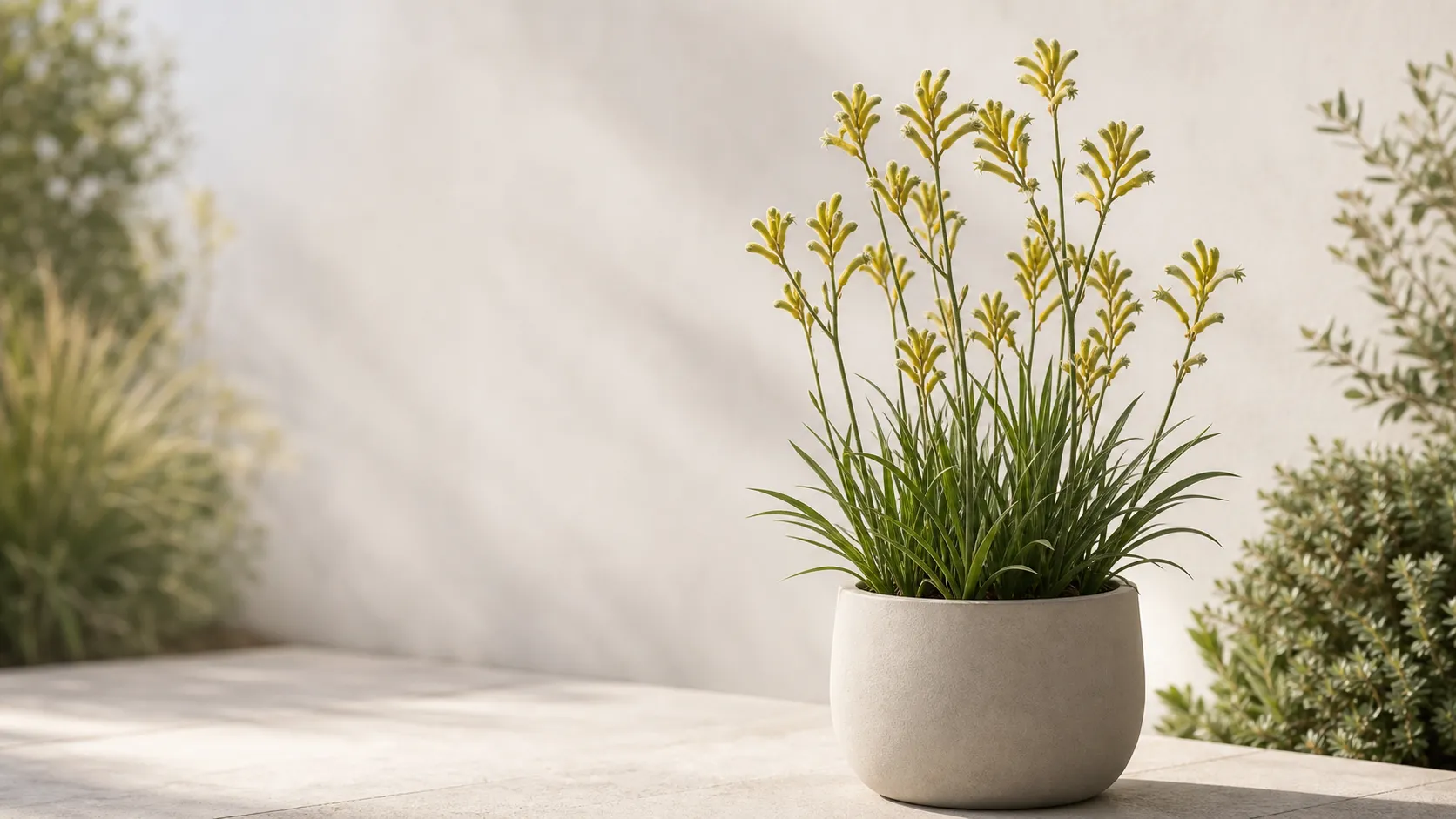
Kangaroo paw is a rhizomatous flowering perennial native to southwestern Western Australia, with velvety tubular flowers on stalks rising above its leaf fans. This guide addresses getting started and the first month through observable, practical home care.
Know the plant first
Kangaroo paw is a rhizomatous flowering perennial native to southwestern Western Australia, with velvety tubular flowers on stalks rising above its leaf fans. Full sun gives the strongest flowering and form; tall kangaroo paw also tolerates dappled shade but is not a permanent low-light indoor plant.
Start with position and watering
Water deeply and regularly during active growth and flowering while maintaining free container drainage; reduce water in cool winter conditions and avoid stagnant wet foliage. Use a freely draining container mix with modest organic matter in a sunny, airy balcony or patio position.
A first-month checklist
Set a stable environment first, then adjust from new growth rather than reacting to every old blemish.
- Observe new growth, form, and moisture weekly rather than watering by calendar.
- Do not apply strong fertilizer while a newly acquired or repotted plant is settling.
- In cool damp, poorly ventilated conditions, watch for dark leaf blotches associated with ink disease; seedlings and tender foliage are also vulnerable to slugs and snails.