Overview
Practical, observable care for Baby Rubber Plant at home
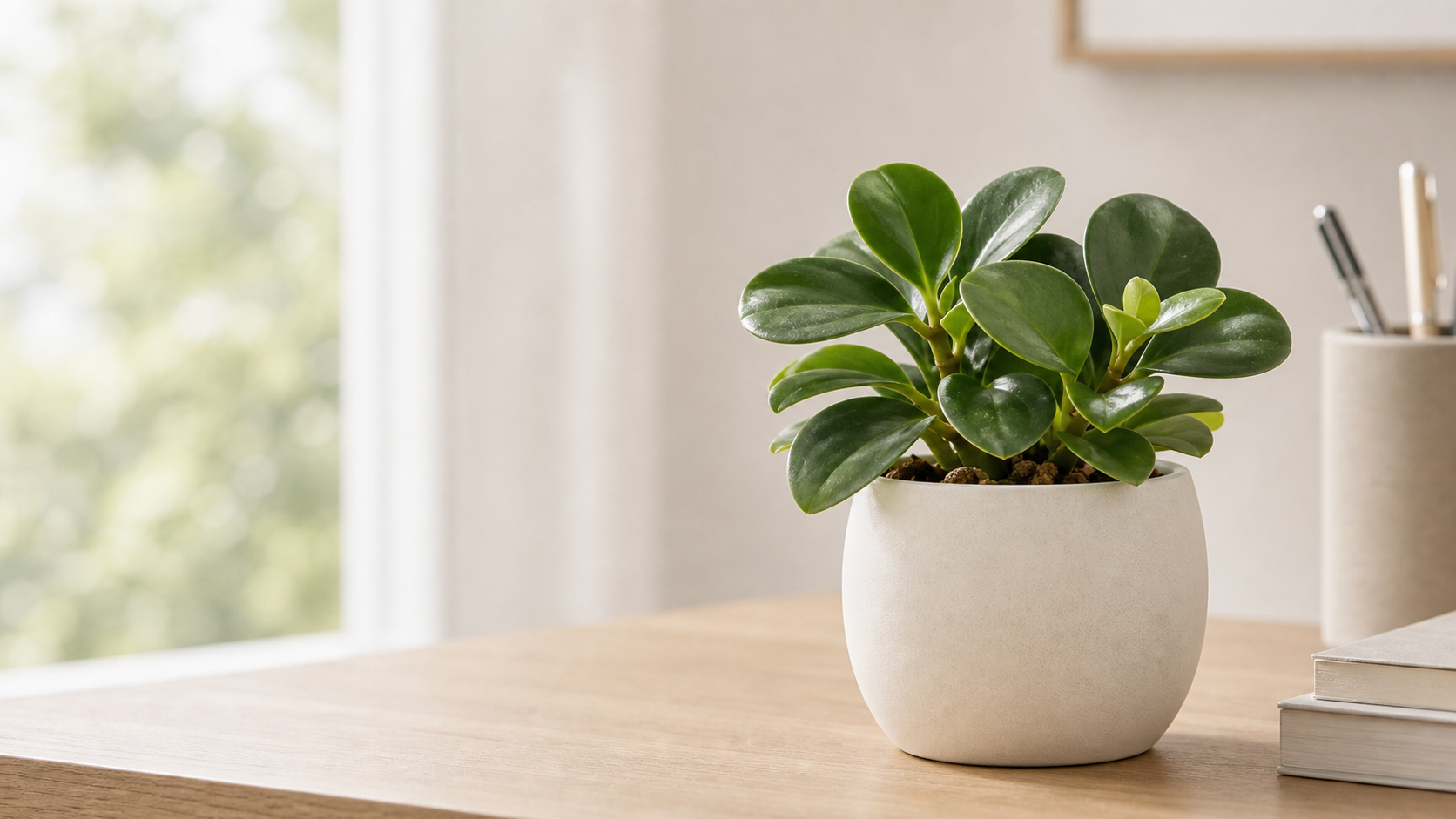
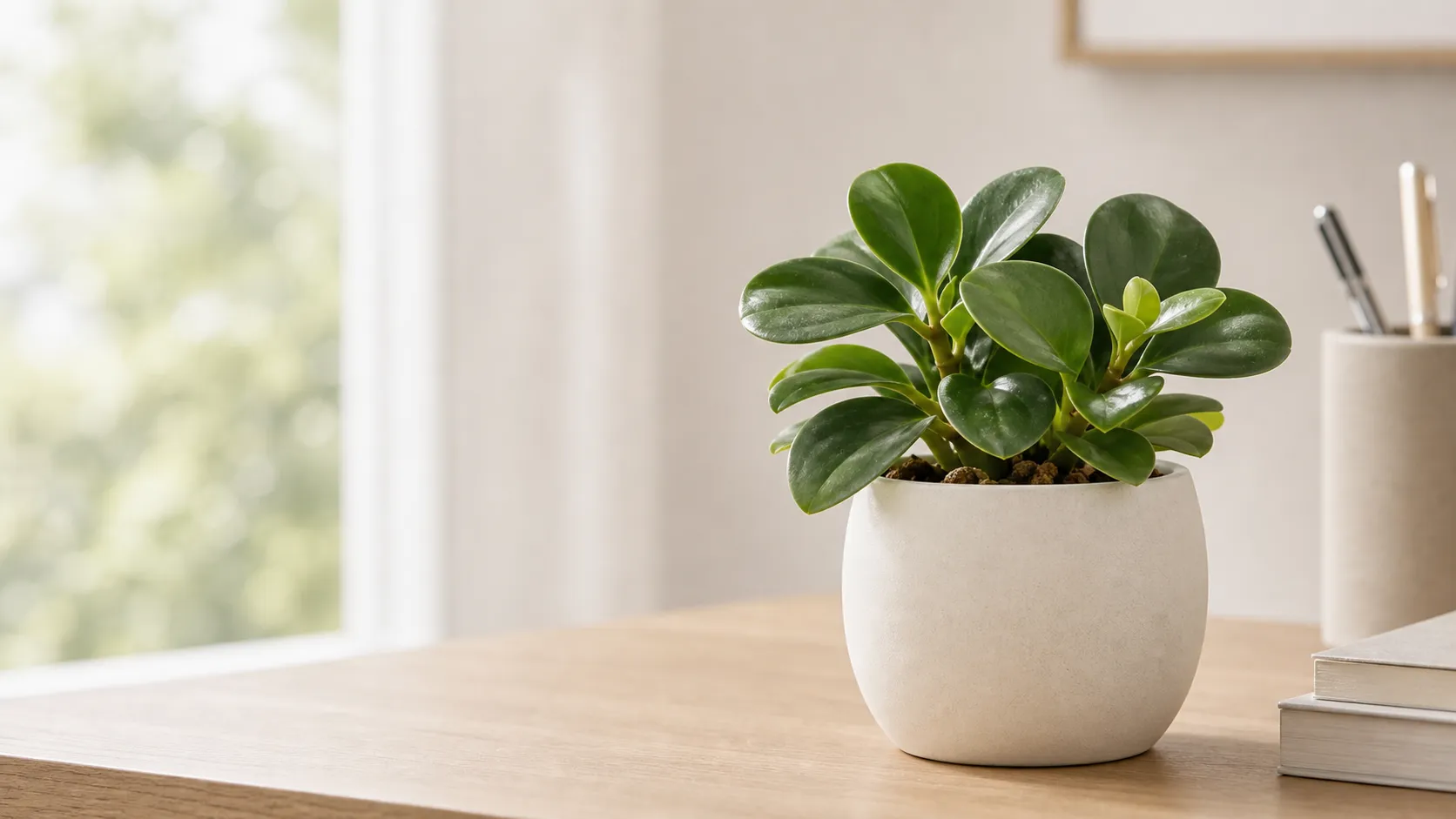
Baby rubber plant has thick leaves and a compact tabletop form, needing less moisture than many thin-leaved plants. This guide addresses potting mix, containers, and repotting through observable, practical home care.
Media matters more than a decorative pot
A small draining pot with chunky airy mix makes moisture easiest to manage; avoid large pot jumps.
When repotting is justified
Move up one pot size only when roots clearly crowd the container, stability is poor, or a correctly watered plant dries severely again very quickly. Without those signals, frequent repotting adds recovery stress.
After repotting
- Keep the original planting depth rather than burying the stem base for support.
- Use a clean container and fresh media with a clear drainage path.
- Stabilize light and watering first; feed gently only after active growth returns.