Overview
Practical, observable care for Baby Rubber Plant at home
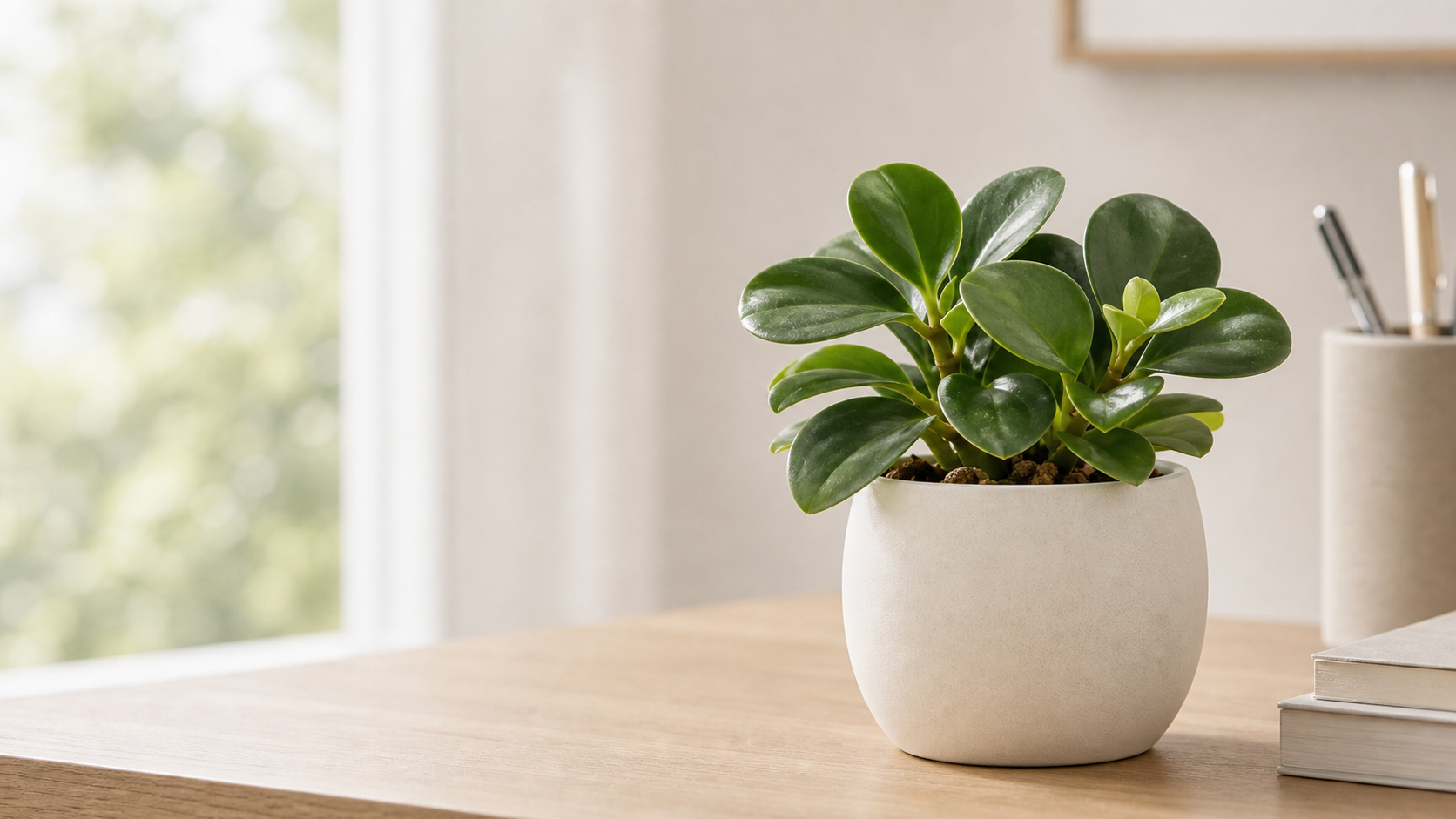
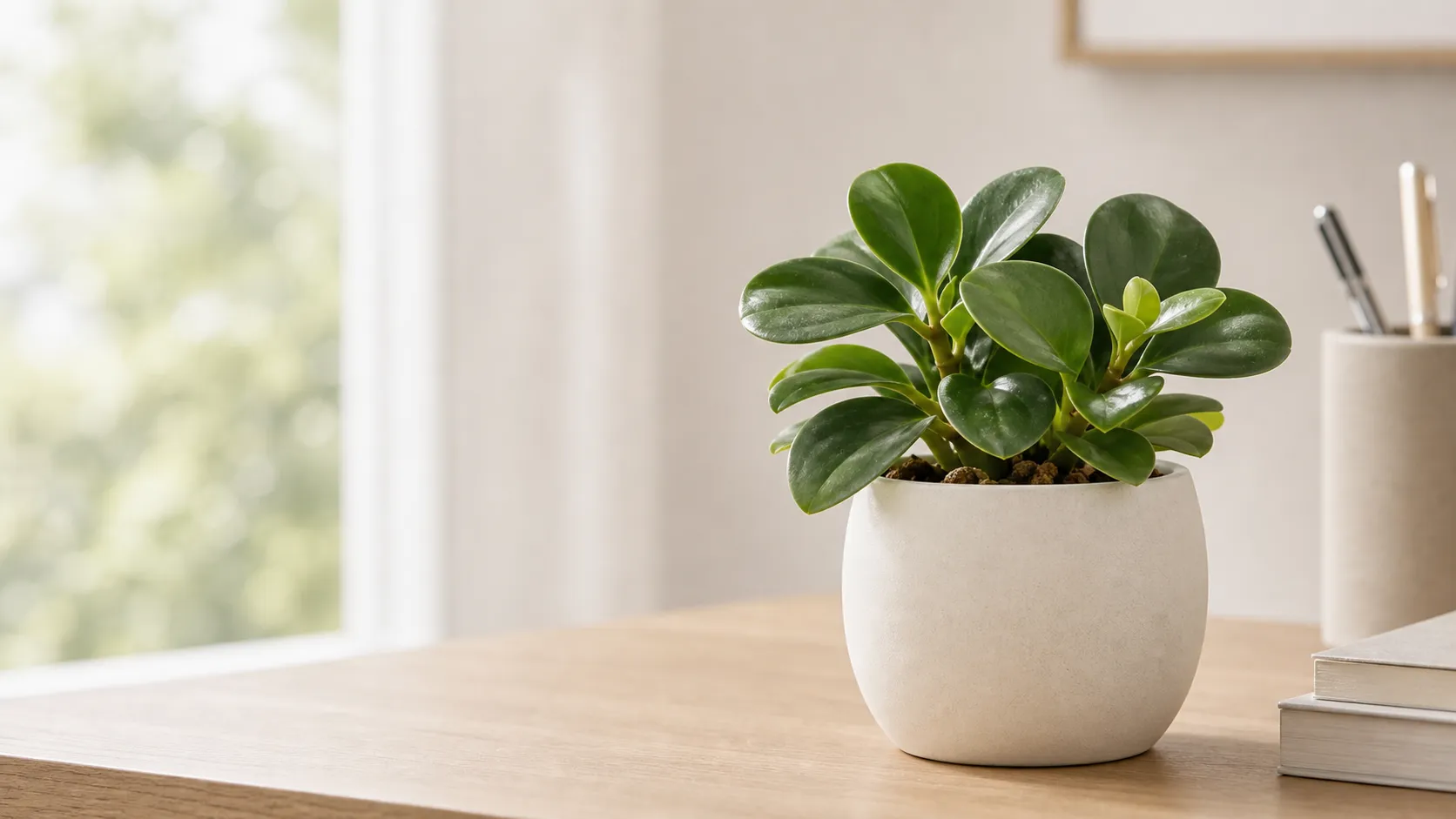
Baby rubber plant has thick leaves and a compact tabletop form, needing less moisture than many thin-leaved plants. This guide addresses light and placement: read growth signals through observable, practical home care.
The light it actually needs
Bright indirect light keeps it full; darkness leads to stretching and prolonged harsh sun can scorch.
Read the signals
New leaves and spacing are the clearest indication of whether a position works. Baby rubber plant has thick leaves and a compact tabletop form, needing less moisture than many thin-leaved plants.
- Leaning, stretched spacing, or smaller new growth first call for more usable light.
- Dry bleached patches on the window side call for gradual shading or more distance.
- Rotate slowly and consistently rather than changing conditions abruptly.
Make practical adjustments
After moving the plant, observe for two to three weeks using new growth and drying speed, rather than repeatedly relocating it because of an old damaged leaf.