Overview
Practical, observable care for Baby Rubber Plant at home
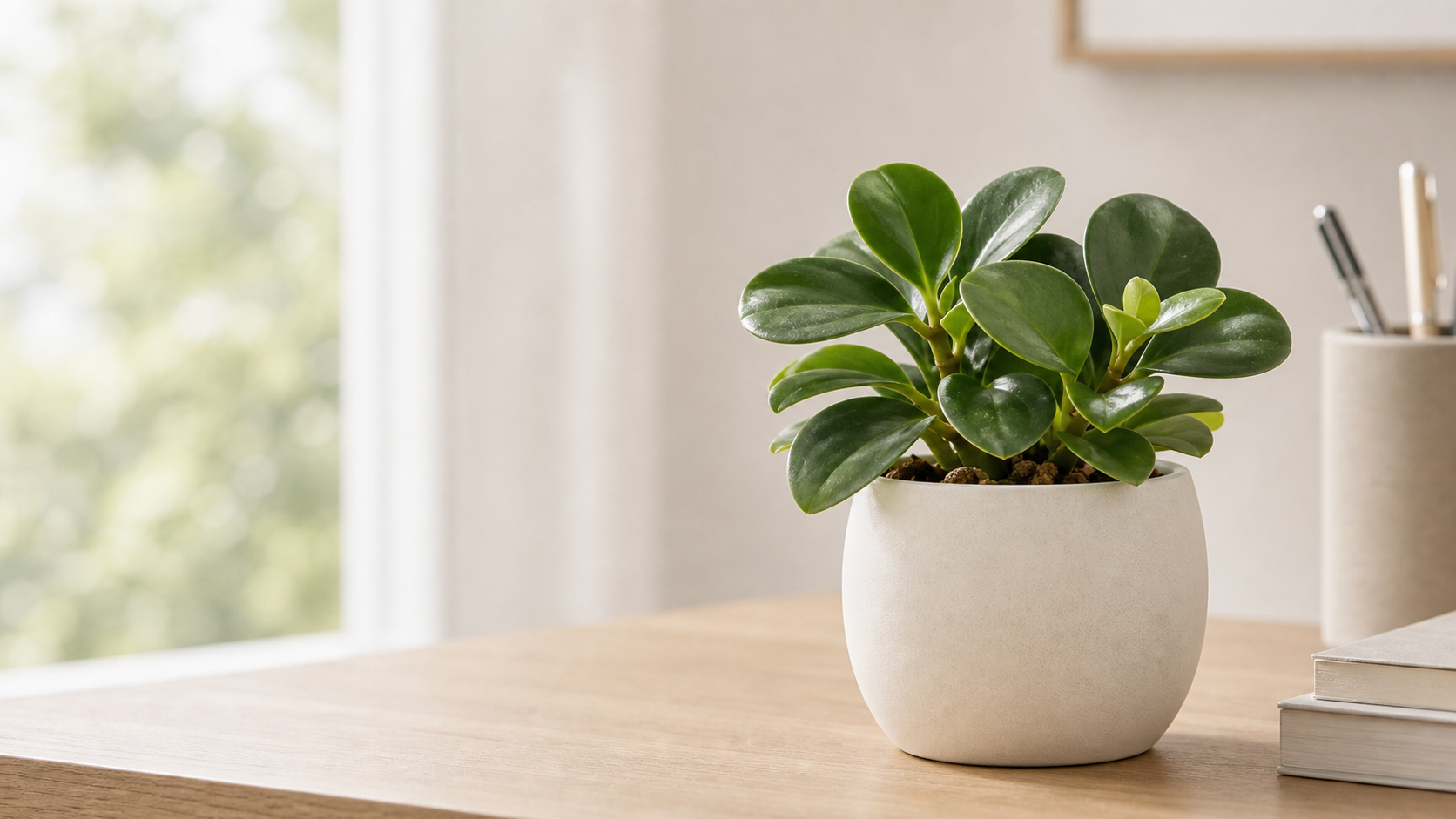
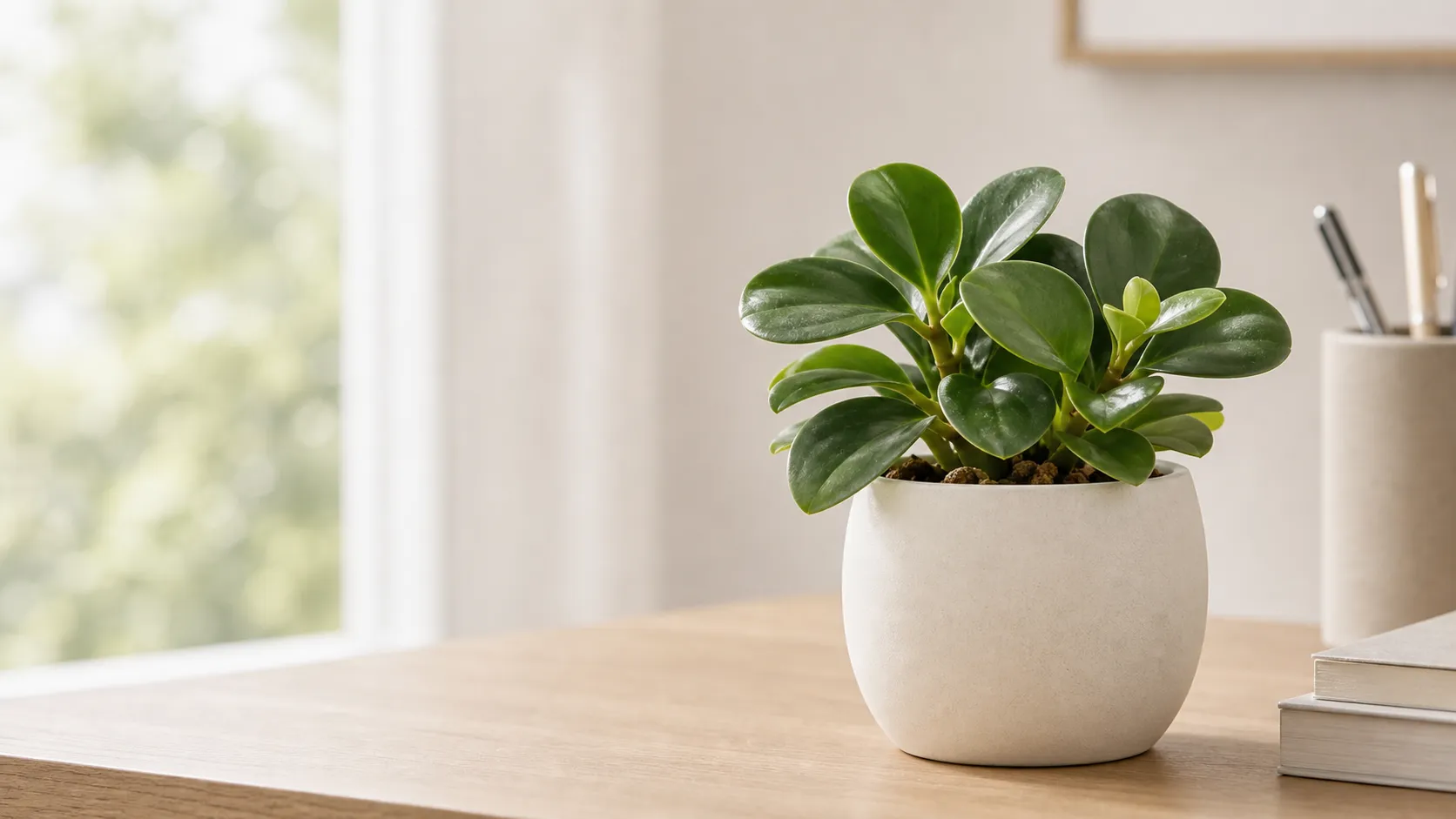
Baby rubber plant has thick leaves and a compact tabletop form, needing less moisture than many thin-leaved plants. This guide addresses getting started and the first month through observable, practical home care.
Know the plant first
Baby rubber plant has thick leaves and a compact tabletop form, needing less moisture than many thin-leaved plants. Bright indirect light keeps it full; darkness leads to stretching and prolonged harsh sun can scorch.
Start with position and watering
Because thick leaves store water, allow the upper mix to dry noticeably before watering deeply; avoid frequent sips. A small draining pot with chunky airy mix makes moisture easiest to manage; avoid large pot jumps.
A first-month checklist
Set a stable environment first, then adjust from new growth rather than reacting to every old blemish.
- Observe new growth, form, and moisture weekly rather than watering by calendar.
- Do not apply strong fertilizer while a newly acquired or repotted plant is settling.
- Watery soft stems and leaves commonly follow overwatering; inspect leaf axils and new tips for mealybugs.