
Overview
Mosaic virus disease is an incurable group of plant virus infections affecting foliage plants, flowering houseplants, and indoor herbs or vegetables. Viruses may spread through infected propagation material, contaminated tools, and sap-feeding vectors such as aphids. Once strongly suspected or confirmed, management focuses on isolation and prevention of spread rather than recovery of the infected plant.
How to identify it
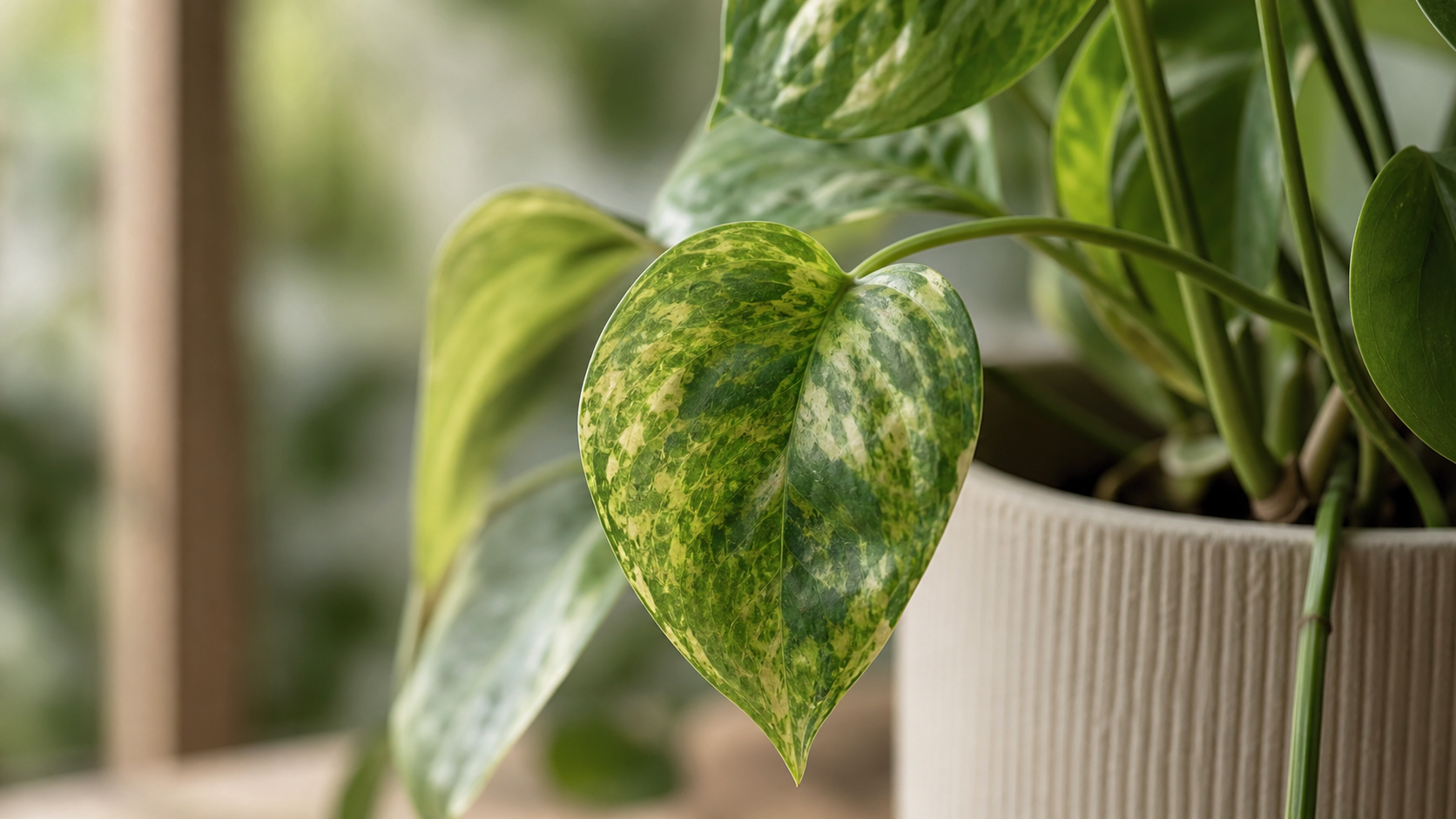
Leaves show irregular light- and dark-green mosaic patterns, rings, or streaks; new leaves may be puckered, distorted, or narrow and overall growth may be stunted. Flowering plants may develop color break or malformed blooms.
Early signs and progression
Early signs are pale mottling along veins on new leaves that persists in successive growth even after watering, light, and nutrition have been corrected.
Routine care will not cure an infected plant, and symptoms may recur in new growth. Aphid feeding, propagation, or use of unsanitized cutting tools can transmit the problem to other plants.
Prevention
Purchase symptom-free plants and healthy cuttings; quarantine new acquisitions for at least two weeks; disinfect cutting tools between plants; promptly manage aphids, whiteflies, and other sap-feeding pests; do not propagate suspected infected plants.
Lower-risk treatment
Immediately isolate the plant and stop propagation. Plants with characteristic, progressive, or confirmed symptoms should be sealed and discarded together with the root-zone mix; then clean containers and tools and inspect nearby plants and vectors.
Treatment steps
- Isolate the suspected plant and photograph symptoms on new growth.
- Check for aphids, whiteflies, or thrips and distinguish persistent patterns from light or nutrient disorders.
- Stop pruning or propagation from the plant and disinfect tools after contact.
- Seal and discard the plant and potting mix when symptoms persist or are strongly characteristic.
- Monitor neighboring plants for four weeks and manage vector pests.
Chemical treatment and safety
No spray cures a virus-infected houseplant. Insect control products may be used only to reduce vector pests and must follow locally registered labels; they must not be represented as virus cures.
Home remedies
- Bagged isolation disposal — Seal the affected plant, fallen debris, and potting mix in a sturdy bag before disposal to avoid contact with other plants.
- Tool hygiene routine — Remove debris and disinfect cutting tools between plants. Do not take successive cuttings with an untreated blade.
Referenced products
- Tool disinfectant — Use according to the label to sanitize cutting tools and work surfaces.
- Sticky monitoring cards — Use to monitor flying vectors; they do not treat virus infection.