
Overview
From natural aging to root problems, quickly identify the real cause of yellowing leaves
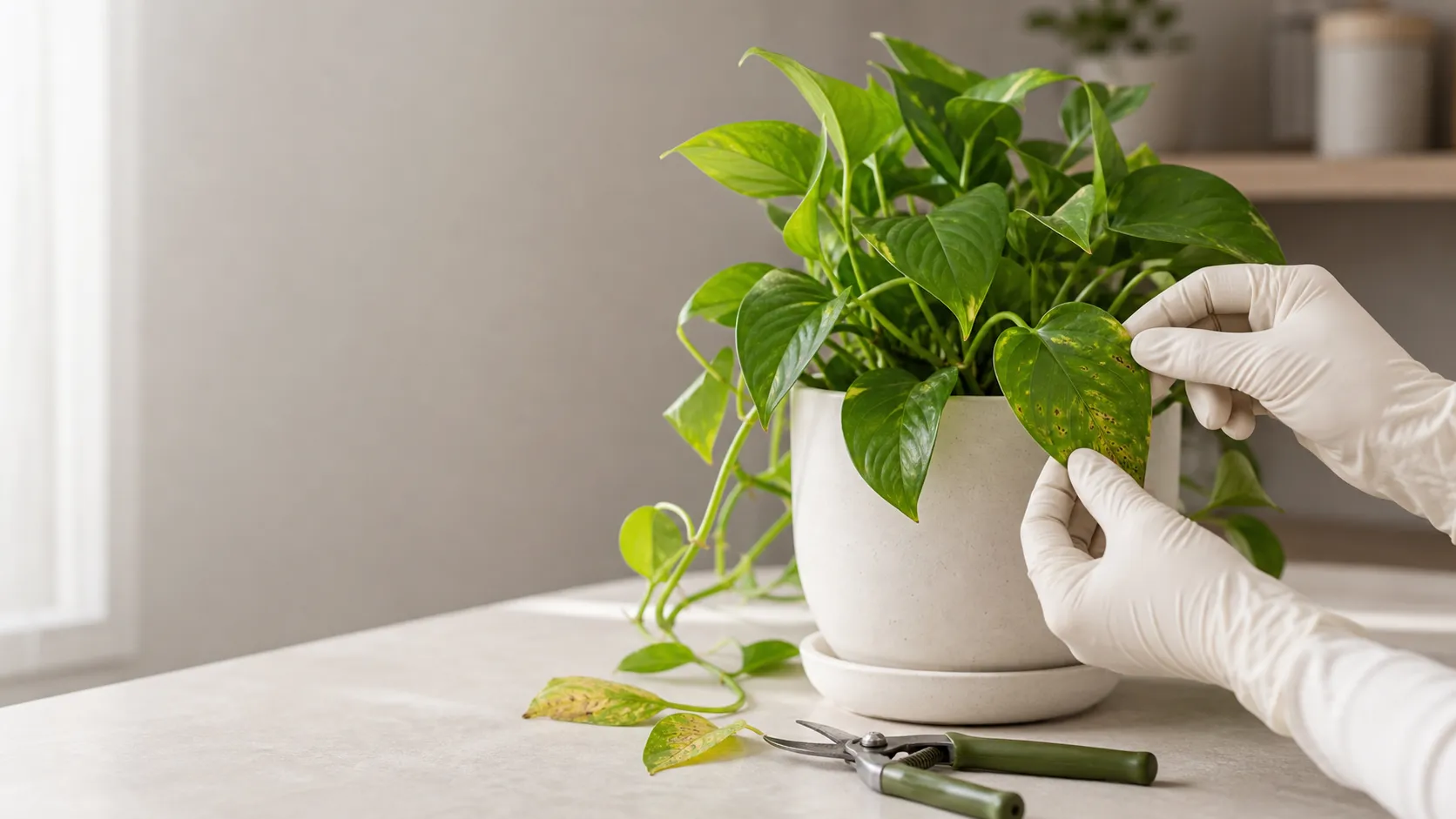
Yellowing of lower leaves is one of the most common symptoms in home plant care. In most cases, there's no need for excessive concern, but it can also indicate issues that require immediate attention. Understanding the correct troubleshooting sequence helps you find the cause quickly and take appropriate action. The order should be: first determine if it's natural aging, then check light conditions, evaluate root health, and finally consider nutrient supply.
Why Start Observing from the Lower Leaves?
Plant leaves undergo natural aging, which typically starts from the bottom. This is because plants prioritize distributing nutrients and energy to new growth at the top, gradually "retiring" older leaves at the base. Therefore, yellowing of lower leaves is often a normal manifestation of the plant's self-renewal process.
Step 1: Determine If It's Natural Aging
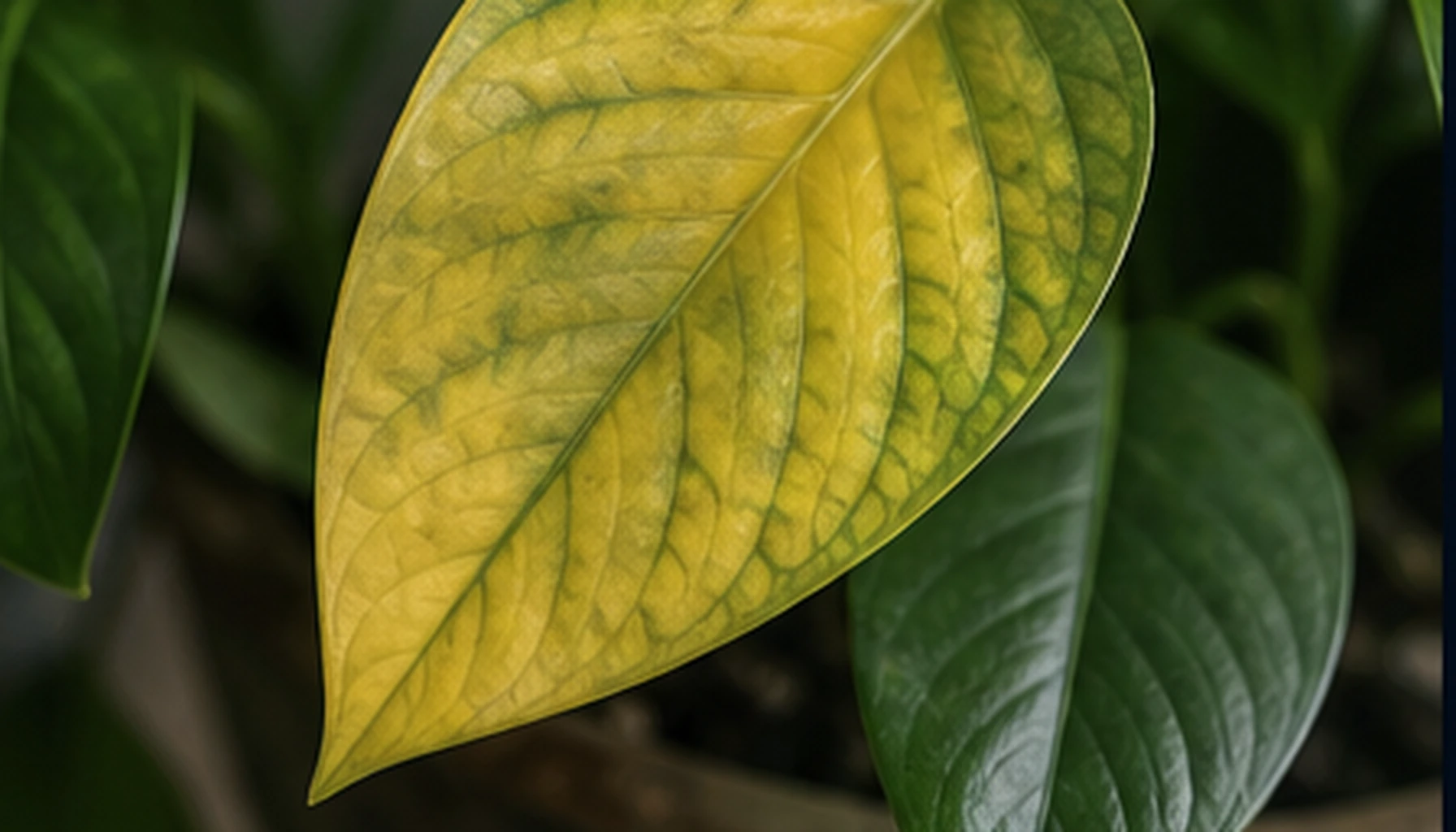
Observe the speed and pattern of yellowing. If only 1-2 lower leaves are yellowing while other leaves look healthy and plump, this is usually natural aging. Aged leaves show uniform yellowing without spots or unusual patterns. These leaves will eventually dry and fall off—this is completely normal and requires no intervention.
Step 2: Check Light Conditions
If yellowing persists or involves multiple leaves, consider lighting factors. Many indoor plants need adequate indirect light; insufficient light reduces chlorophyll production, leading to yellowing. Check if the plant is too far from windows or blocked by objects. For light-loving plants, ensure at least 4-6 hours of natural light daily; for shade-tolerant plants, maintain a bright environment.
Step 3: Assess Root Health
Root problems are a common cause of leaf yellowing but are also the most overlooked factor. Overwatering leading to root hypoxia or rot directly affects the plant's water and nutrient absorption, causing lower leaves to show nutrient deficiency symptoms. Check soil moisture: if soil stays wet for extended periods or the plant wilts despite moist soil, be alert to root issues. When necessary, remove the plant from its pot to inspect roots, trim rotted ones, and repot.
Step 4: Consider Nutrient Supply
After ruling out the above factors, yellowing may relate to nutrient imbalance. Nitrogen deficiency typically causes overall yellowing of older leaves, potassium deficiency yellows leaf edges, and magnesium deficiency shows as interveinal chlorosis. During the growing season (spring and summer), apply diluted balanced liquid fertilizer monthly to supplement needed nutrients.
Key Observations and Treatment Priorities
- Single older leaf with uniform yellowing → No action needed, natural aging
- Multiple leaves continuously yellowing → Check light position, relocate if necessary
- Plant condition doesn't improve after watering → Inspect roots, treat rot
- No improvement after adjusting light and watering → Supplement fertilizer
Warning Signs Requiring Immediate Action
If lower leaf yellowing is accompanied by new leaf deformities, stunted growth, softening of stems, or明显的根部腐烂气味,应立即脱盆检查根系。健康的根系应该呈现白色或浅褐色,有弹性;变黑、变软或有异味的根系需要及时剪除,并使用杀菌剂处理后重新栽种。