
Overview
From Draft Stress to Frost Glass Damage: Identifying, Preventing, and Reversing Your Windowsill Plant's Winter Crisis
The winter windowsill is one of the most vulnerable locations for houseplants. Low temperatures near glass, drafts from frequently opened doors, and dry air from indoor heating create a triple threat to your windowsill plants. Many novice gardeners discover their plants mysteriously develop yellow leaves, wilting, or even root rot during winter, with the root cause often lying in this seemingly ordinary location. This guide will help you identify early signs of cold glass syndrome, master proper emergency response methods, avoid common care mistakes, and determine through ongoing observation whether your plants are recovering.
Understanding the Dual Cold Trap on Windowsills
Winter windowsills present two distinct types of cold threats that must be understood separately for effective prevention. The first is direct conductive cooling through glass—even when the room temperature shows 18°C, the leaves and soil directly touching the glass may actually be at only 5-8°C. This sudden temperature drop causes cellular damage, manifesting as leaf tip burn or water-soaked spots on leaves. The second threat is draft stress. When cold air rapidly sweeps past plants from window gaps, door gaps, or when opening and closing doors, it causes abnormal intensification of transpiration, leading to massive water loss in a short time while the root system cannot keep up.
These two threats often occur simultaneously yet are easily overlooked because air thermometers show normal readings, making people prone to ignoring the actual temperature differences near the glass. The simple test: place the back of your hand against the glass. If it feels cold, the glass surface temperature is far below room temperature, and any plant nearby—regardless of whether it directly touches the glass—is in a cold stress environment.
Observation Points: Identifying Early Signs of Cold Windowsill Stress
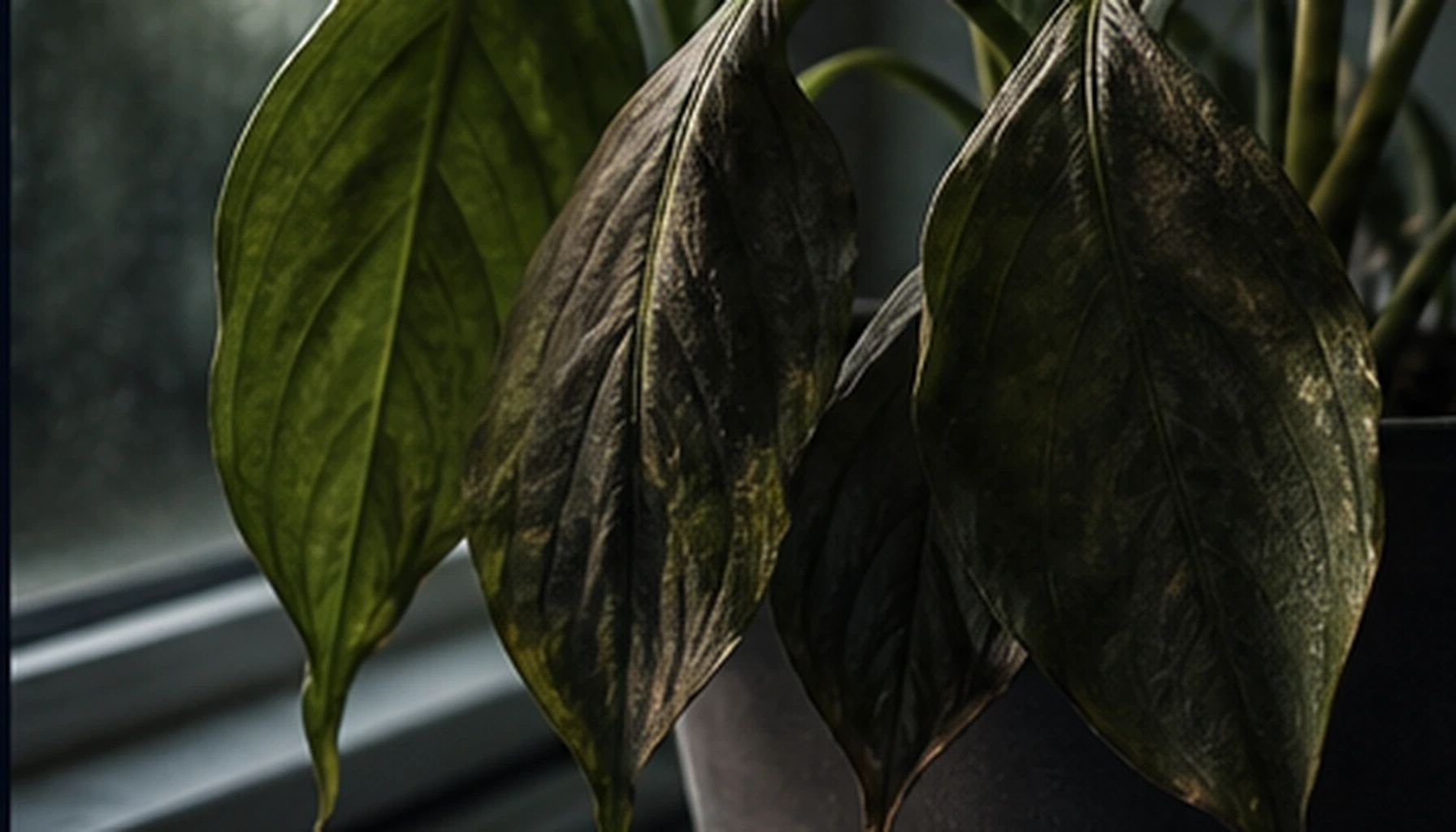
Cold windowsill syndrome typically progresses through three stages, and the earlier it's detected, the easier it is to reverse. The first stage shows leaves losing their luster, with color shifting from fresh green to gray-green or dark green, and texture becoming harder and more brittle—this indicates declining chlorophyll activity. If you shine a flashlight on the leaf underside at this point, you'll notice slight contraction of cells between the veins. The second stage involves yellowing beginning at leaf tips or edges, initially localized, then gradually expanding—this results from cell rupture and subsequent chlorophyll degradation. The third stage is rot, manifesting as blackening and softening of roots or stem bases, water-soaked spots on leaves accompanied by odor, at which point damage becomes irreversible.
Special attention is needed: if older lower leaves yellow first while new growth remains normal, this is natural aging. However, if new leaves also show yellowing or the entire plant yellows simultaneously, the root system or stem is likely damaged. Some plants like spider plants and pothos show wilting without yellowing—this is actually a more severe stress reaction requiring immediate attention.
Emergency Response: First Steps When Problems Are Discovered
When you notice early signs of cold windowsill stress, the faster you act, the better. The first step is immediately moving the pot away from the windowsill to a location at least one meter from any window, preferably choosing east or west-facing windowsills rather than south-facing ones directly facing cold sources. If the plant has already begun wilting, avoid watering heavily right away—the root system is less active in low temperatures and cannot absorb water normally; watering will only accelerate root rot.
The correct approach is to use a spray bottle to mist the leaf surface with room-temperature water, raising local air humidity and helping the plant restore normal transpiration pull. If leaves show slight shriveling, you can gently support the pot bottom with your palm and submerge the entire plant in room-temperature water for 10-15 seconds, allowing the substrate to absorb water from below, then remove and drain excess water. This method better induces active root water absorption compared to top-down watering.
Avoiding Mistakes: These Practices Only Make Things Worse
Three common error-handling approaches need special vigilance. The first is misuse of "warming aids"—some people place small heaters or radiators next to plants, thinking warmth solves the problem. But being too close causes local high-temperature burn damage and leads to excessive transpiration without root compensation. The correct approach is maintaining overall stable room temperature between 15-20°C and avoiding large local temperature differences.
The second mistake is blindly repotting with fresh soil. Winter is not the appropriate time for repotting unless severe root rot is discovered; otherwise, wait until spring temperatures warm before handling. The third is over-indulgence—frequently moving pots, watering multiple times daily, repeatedly spraying foliar fertilizer. These practices add extra burden to already-stressed plants. Plants need stable environments to recover, and excessive intervention only prolongs the recovery period.
Follow-up Observation: Determining Whether Plants Are Recovering
After emergency treatment, typically two to three weeks of observation are needed to determine whether plants are entering recovery. Positive signals include: new leaves beginning to emerge with normal color, leaf surfaces regaining luster, wilting leaves gradually unfolding, and leaf tip burn areas stopping their spread. These all indicate the plant's transpiration system is returning to normal. For plants that had yellow leaves, even if yellowed leaves cannot revert to green, as long as new leaves grow healthily, the plant has escaped danger.
If no improvement is seen after two weeks, with instead more yellowing or worsening wilting, further root inspection is needed. The method: gently tap the pot exterior, remove the root ball, and observe root color—white or light brown with elasticity indicates health; black or brown roots that feel soft and mushy when pressed indicate rot. For minor rot, remove necrotic portions and replant the remaining healthy roots. For severe rot, only healthy cuttings can be taken for propagation attempts.
Prevention First: Establishing Winter Windowsill Safety Distance
The best treatment is prevention. For plants that must remain near windowsills in winter, maintain at least 10 centimeters of air space between the pot and glass—this can be achieved using specialized windowsill pads or small plant stands. If using clear glass windows, consider applying thermal insulation film to the interior glass surface, which significantly reduces glass cold conduction without affecting light transmission.
Another key measure is adjusting watering frequency—winter plants transpire less, and soil dries at less than half the summer rate. Follow the principle of "water thoroughly when dry, prefer dryness over wetness." During heating season, use humidifiers or group plants together, allowing the collective transpiration of plant groups to naturally raise local air humidity—this is more effective and avoids fungal disease compared to frequently misting individual plants.