
Overview
Detecting Overwatering's Early Warning Signs Before Damage Spreads
When your plant's leaves droop or wilt while the soil still feels moist, most people instinctively reach for the watering can—thinking the plant is thirsty. This is often the worst thing you can do. When soil stays waterlogged, roots drown from lack of oxygen, becoming unable to absorb water and nutrients properly. The result: leaves look thirsty but are actually drowning. This guide teaches you what to observe, what immediate action to take, what mistakes to avoid, and what positive changes to watch for as your plant recovers.
Why Does This Happen?
Plant roots need to breathe, just like we do. When soil stays waterlogged for too long, the air pockets between soil particles fill with water, cutting off oxygen supply. Roots without oxygen cannot carry out normal metabolic functions—so even when there's plenty of water in the soil, the roots can't absorb it. Leaves then wilt and droop from lack of water and nutrients, even though the soil appears moist.
This commonly occurs when: watering is too frequent, drainage trays stay waterlogged, pot drainage holes are clogged, using poorly draining soil mixes, or the plant is placed in an area with poor air circulation.
Key Observations: Signs Pointing to Root Problems
- Wilting leaves with moist soil : This is the core signal. Normally, if soil is moist, leaves should remain upright.
- New leaf growth slows or stops : Damaged roots prioritize survival over growth.
- Leaf color fades or turns yellow : Oxygen-deprived roots can't absorb nitrogen, magnesium, and other elements needed for chlorophyll production.
- Stem base feels soft when gently pressed : Healthy stems should feel firm and resilient.
- Soil surface stays wet for extended periods : If soil remains heavy and wet even after three or four days, there's a problem.
- Water accumulates in the drainage tray : This means you're watering more than the plant actually needs.
Immediate Action: Stop Watering, Then Inspect
First step is simple: stop watering . Don't keep adding water because the plant “looks thirsty”—this only worsens the root environment.
Second, move the pot to a well-ventilated location. Good air circulation accelerates surface moisture evaporation and helps roots recover. If possible, increase indirect light—light promotes transpiration, helping the plant expel excess internal moisture.
Third, check the pot's bottom. Use your finger or a small stick to clear drainage holes, ensuring excess water can escape freely. If water remains in the tray, empty it promptly.
What NOT to Do: Good Intentions Can Cause Harm
- Don't immediately repot with fresh soil : Unless the plant is severely wilted, premature repotting further damages already fragile roots. Wait a few days before deciding.
- Don't keep watering : Even if leaves droop badly, don't water when soil is still moist.
- Don't fertilize : Damaged roots can't absorb nutrients, and fertilizer salts will accumulate, adding to the root burden.
- Don't place the plant in harsh direct sunlight : Rapid transpiration increases dehydration stress.
- Don't move the pot frequently : A stable environment aids recovery.
Watching for Recovery Signals: Patience Is Key
Recovery takes time—typically one to two weeks before visible improvement. Here are positive signs:
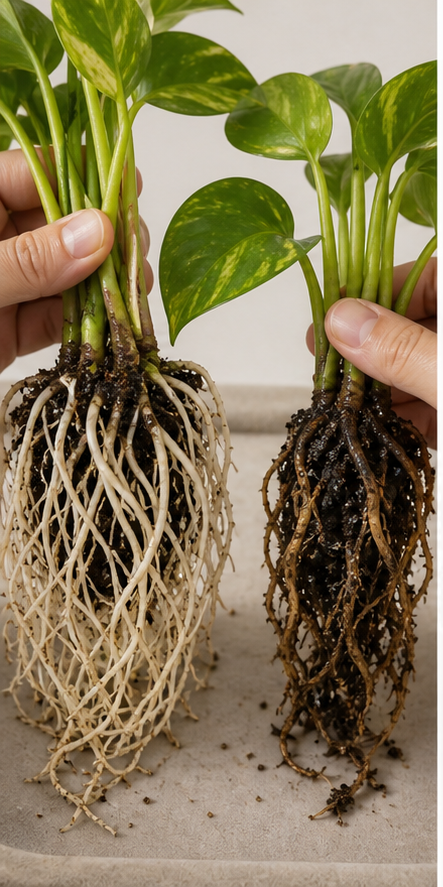
If there's no improvement after two weeks, or wilting worsens, the roots may be severely rotted. At this point, carefully inspect the root system, trim away blackened and mushy roots, and repot with fresh, well-draining soil.
- Soil begins to dry : Surface soil lightens in color; when you insert your finger 2cm deep, it feels dry.
- Leaves gradually regain firmness : Drooping leaves begin to stand upright again.
- New buds or leaves start growing : This indicates root function is recovering.
- Leaf color returns to vibrant green : Chlorophyll production is back to normal.
Prevention: Building Healthier Watering Habits
The best way to prevent recurrence is establishing a science-based watering routine: insert your finger 2–3cm into the soil and only water when that depth feels dry—rather than following a calendar or fixed schedule. Ensure pot drainage holes remain clear, choose well-aerating soil mixes, and empty drainage trays promptly after watering.
Remember, wilting leaves don't always signal thirst. Before you reach for that watering can next time, check the soil moisture first—this small habit can often save an entire plant.