
Overview
How to decide whether a pest- or disease-prone plant is worth saving
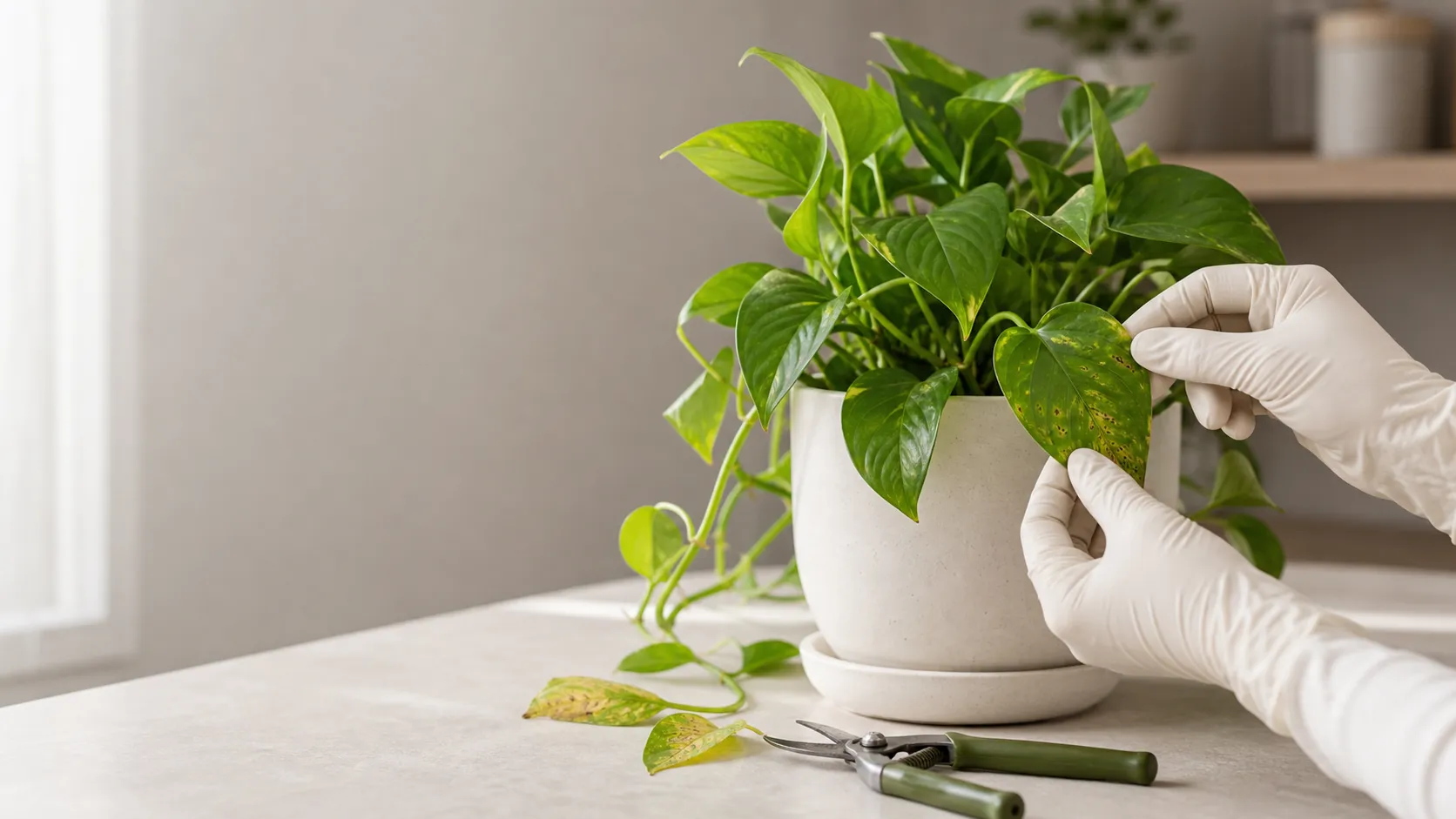
Every plant has its own resilience, but when a plant repeatedly becomes a source of pests or disease, growers face a difficult choice: continue treatment, attempt propagation as a backup, or let it go. This article helps you make a more rational decision through observation, a decision framework, and practical steps.
Observation Phase: Identifying the Root Cause
Before making any decision, you first need to confirm the true source of the problem. When a plant repeatedly suffers from pests or diseases, it may not necessarily be the plant's fault—it could be caused by the growing environment or your care habits.
Key observation points include: checking whether the plant brought pests or diseases from newly purchased seedlings; examining whether your watering habits created a humid environment; confirming whether ventilation is adequate; and checking whether over-fertilizing weakened the plant's resistance. If other plants in the same environment are healthy while only specific plants consistently have problems, the issue likely lies with that particular plant itself.
Decision Framework: A Three-Step Approach
Step one: Evaluate treatment history. If a plant has received more than three targeted treatments yet still relapses within a month, its resistance may be severely compromised. The time and pesticides invested may already exceed the plant's actual value.
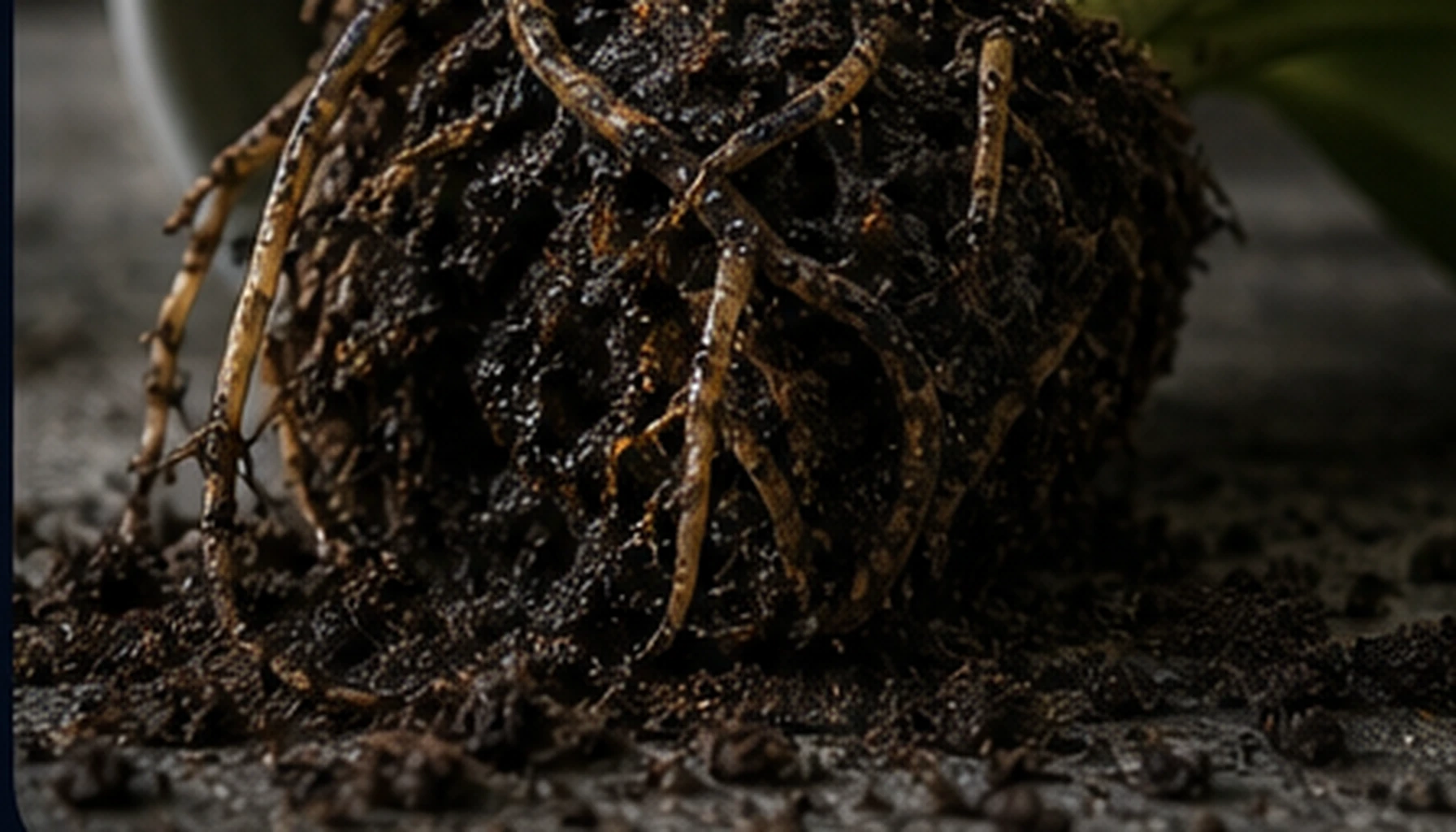
Step two: Check the extent of systemic infection. Dig into the soil to examine if roots are rotting; check if the stem interior has turned brown and soft; see if leaf wilting has spread to the growth point. If the core parts are damaged, even if the surface still shows green leaves, the plant's recovery potential is very limited.
Step three: Consider emotional versus practical value. This isn't about ignoring emotional factors but clarifying the plant's actual significance to you. A pothos that has accompanied you for years may carry special memories, making treatment worthwhile even at higher costs; while a plant purchased recently that has readily available replacements, letting go early may be wiser than repeatedly struggling.
Option One: Isolation and Observation
If the problem was discovered early and the plant's overall condition is acceptable, isolation and observation is an option. Specifically, move the plant to an independent space with good ventilation and moderate light, keeping it at least one meter away from other plants. During isolation, stop fertilizing, reduce watering frequency, and let the plant enter a relatively "hungry" state to stimulate its own resistance.
The observation period should be set at two to three weeks. If the plant stabilizes during this time, you can gradually resume normal care; if the condition continues deteriorating, proceed to the next decision. Pay special attention to hand hygiene during isolation—wash hands with soap or use alcohol wipes before and after operations to avoid carrying pests or diseases to other plants.
Option Two: Propagation Backup
For certain plants, even if the mother plant is difficult to save, you can attempt to preserve its "bloodline" through propagation. Suitable situations for propagation backup include: the plant still has healthy branches despite poor overall condition; the variety has special characteristics difficult to find as replacements; or the plant holds emotional value.
Choose propagation methods based on plant characteristics. Cuttings suit easy-to-root plants like pothos, spider plants, and monstera; division suits clumping plants like snake plants and clivia; for succulents, you can try leaf propagation or beheading. Before propagation, disinfect tools with alcohol; after propagation, use fresh, clean medium to avoid carrying original problems into new plants.
Note that if the mother plant's pest and disease issues stem from genetic weakness, offspring may inherit this trait. Therefore, propagation backup more preserves emotional value or special varieties rather than solving the fundamental problem.
Option Three: Letting Go Decisively
Letting go doesn't mean failure—it's a form of smart loss-cutting. The following situations suggest decisive letting go: the plant has shown no significant growth for over six consecutive months; root rot exceeds two-thirds; the stem interior is completely hollow or blackened; or the plant has become a source of repeated infection for all household plants.
Care during disposal requires caution as well. First, wrap the plant with its pot in a plastic bag before moving it out, avoiding scattering pest spores or eggs into the environment during transport. Then thoroughly disinfect used pots— soak in diluted potassium permanganate solution for twenty-four hours or wash with boiling water. Finally, observe surrounding plants for two weeks to ensure no infection spread.
Psychological Adjustment: Accepting the Plant's Life Cycle
Every dedicated grower may experience the loss of a plant. But recognizing that plants have their natural life cycles is an important step in becoming a mature plant caregiver. Every plant that comes into our lives enriches us—even if we ultimately need to let go, this growing experience itself is valuable.
View letting go as a learning opportunity. Analyze the timeline of when problems occurred, methods you've tried, environmental factors, and so on—these experiences can help you better care for other plants in the future. Meanwhile, you can also use healthy parts for propagation or make wilted plants into dried flower specimens, preserving this memory.