
Overview
Avoiding Compound Transplant Stress by Letting Roots Heal First
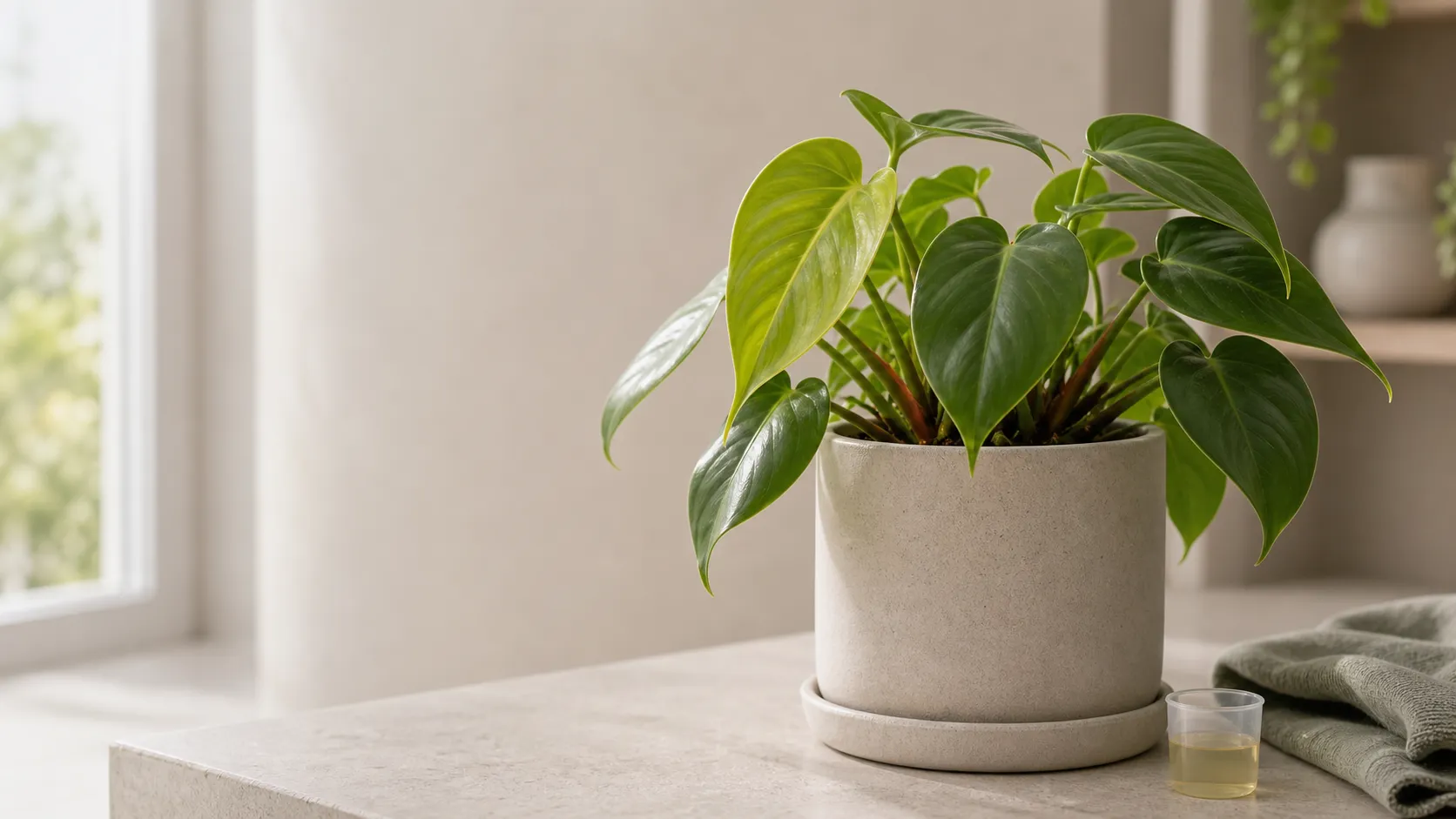
Repotting is an important part of a plant's growth cycle, but fertilizing immediately after repotting can be counterproductive. This article will help you identify recovery signals in plants and master the right timing for resuming fertilizer to ensure healthy growth after repotting.
Why Fertilizing Immediately After Repotting Is Risky
Repotting is essentially "surgery" for a plant. No matter how carefully you work, roots are inevitably disturbed and damaged to some degree. When faced with this stress, a plant prioritizes energy for repairing damaged roots rather than absorbing nutrients. Applying fertilizer at this point means the high concentration of nutrients in the soil cannot be effectively absorbed, potentially causing root dehydration, fertilizer burn, and other secondary damage. The compound stress from repotting plus fertilizing significantly extends recovery time and can even lead to plant death. Therefore, timing your post-repotting fertilization is fundamentally about respecting and responding to the plant's recovery state.
Watch for These Recovery Signals
The core basis for determining when to resume fertilizing is whether the plant has passed the transplant stress period. Here are three important indicators:
These three signals don't need to appear simultaneously—observing one or two is sufficient before considering resuming fertilizer.
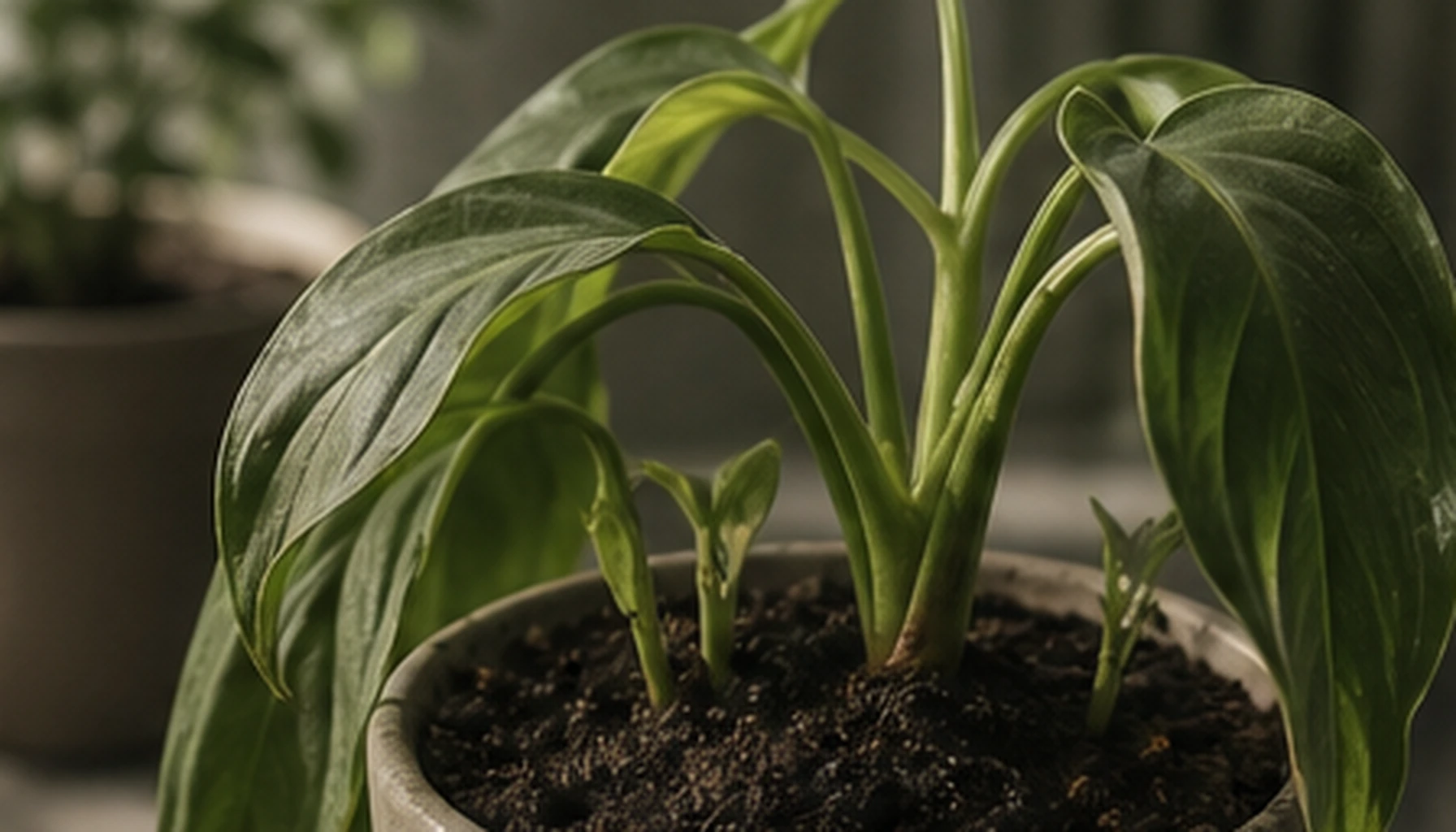
- New Leaf Growth : One to three weeks after repotting, new leaves or buds appearing at the plant's tips or leaf axils are clear signs that root absorption function has recovered, indicating the plant can now utilize nutrients effectively.
- Leaf Condition Improvement : Mild wilting or yellowing may occur initially after repotting. If you observe older leaves becoming upright again and leaf color transitioning from yellow to green, the plant has survived the most difficult adaptation period.
- Visible Root Activity : If you can observe through clear pot walls or by gently lifting the plant, look for white root tips beginning to grow. This indicates roots have adapted to the new soil environment and resumed active growth.
Correct Steps for Resuming Fertilization
Once recovery signals are confirmed, fertilization should follow the principle of "start weak, increase gradually":
For the first application, use liquid fertilizer diluted to one-quarter to one-half normal strength. Choose liquid fertilizer over slow-release fertilizer for better control and easier adjustments. After the second application, wait one to two weeks, observe the plant's response, then decide whether to return to normal concentration.
If leaf edge burn or growth stagnation occurs after the first diluted application, immediately stop fertilizing, continue with plain water, wait one week, then try again. After resuming fertilizer, observe consistently for two to three cycles to confirm stable growth improvement before returning to regular care routines.
Actions to Absolutely Avoid
Immediately applying fertilizer at normal concentration after repotting is the most common fatal mistake. Many caregivers, eager to replenish nutrients, believe repotting depletes the plant and requires "strong supplementation"—this produces the opposite effect. Other behaviors to avoid include adding liquid fertilizer after using slow-release fertilizer (causing double nutrient shock) and immediately spraying high-concentration fertilizer on leaves, leading to leaf burn. The common problem with all these actions is ignoring the basic physiological fact that roots need time to heal.
Adjusting Recovery Timing by Season
Seasonal temperature directly affects plant metabolism and root recovery efficiency. During spring and summer growing seasons, plants recover faster—observable recovery signals typically appear three to four weeks after repotting. Fall repotting may require five to eight weeks. Winter repotting is not recommended unless absolutely necessary; if done, it may take two months or more before considering fertilization. Plants in indoor environments with constant temperature will have recovery periods mainly influenced by their own growth cycle, requiring judgment based on specific variety characteristics.