
Overview
Hydrate Safely Without Shocking Roots or Collapsing Already-Stressed Foliage
Missing a watering day happens to every indoor gardener. This guide helps you identify dehydration levels, master gradual rehydration techniques, and build prevention systems to help your plants survive water crises safely.
Observe Before Acting
When you discover a thirsty plant, your first instinct might be to grab the watering can and drench it. But this impulse could worsen the problem. A dehydrated plant is under stress, its roots' water absorption capacity is compromised, and sudden large volumes of water can cause soil temperature drops, root oxygen deprivation, and even root rot.
The correct first step is calm observation: Are leaves curling, yellowing, or showing crispy edges? Is the soil surface dry and cracked? Has the pot's weight noticeably decreased? Combining these signals helps you determine the right rehydration strategy.
Assessing Dehydration Levels
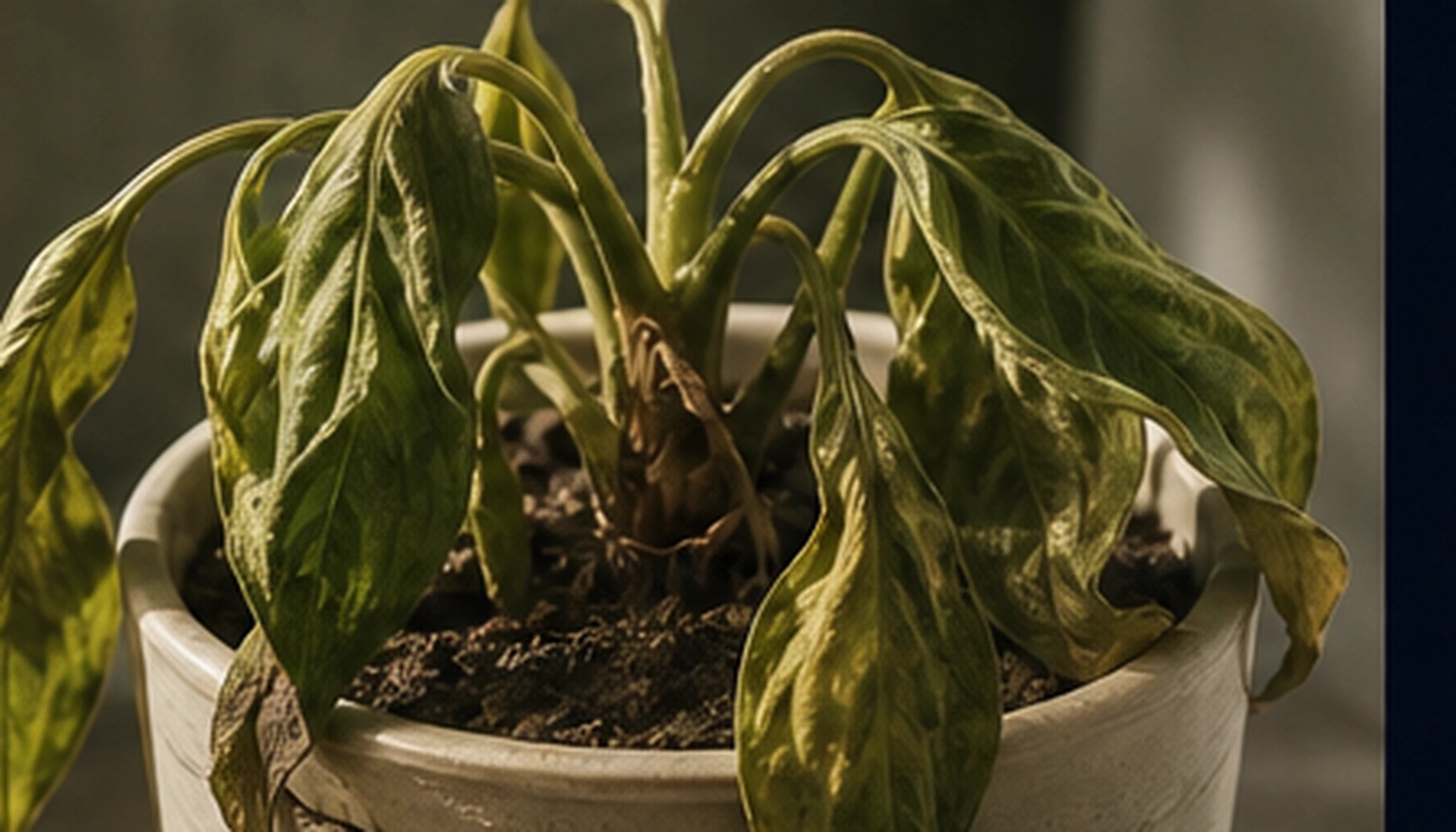
Mild dehydration: Top leaves droop slightly, but older leaves maintain firmness. Soil surface is dry, but the bottom still holds some moisture.
Moderate dehydration: New leaves and young shoots clearly wilt, leaves lose their shine, some varieties show leaf edge curling. Soil from surface to middle layer is completely dry.
Severe dehydration: Entire plant wilts, leaves become brittle and crispy, dropping off at the slightest touch. Soil is completely dry and pulling away from pot edges.
Core Principles for Safe Rehydration
Regardless of dehydration level, there's only one core principle: gradual rehydration, avoiding dramatic changes.
For mild dehydration, use the "little and often" method. Water with one-third to one-half of normal amount, wait two to three hours, then repeat. This prevents a single large volume of water from washing through dry soil and draining quickly.
For moderate dehydration, bottom-watering is recommended. Place the pot in a water-filled tray and let the plant absorb water from below through drainage holes. This method is gentle and even, typically taking thirty minutes to two hours. Remove the pot once the soil surface appears moist.
For severe dehydration, the safest approach spans two days. On day one, water only one-quarter of normal volume. On day two, increase to half the normal amount. On day three, if soil is still dry, continue补水 gradually. This progressive approach maximally protects damaged roots.
Post-Watering Observation Priorities
After completing rehydration, don't rush to return the plant to its original location. Observe changes over the next twenty-four to forty-eight hours: Are wilted leaves gradually recovering upright? Are new leaves beginning to unfurl? If no improvement occurs within forty-eight hours, you may need to check for root damage.
Signs of root damage include: water fails to penetrate for extended periods, leaves remain wilted with blackened edges, soil stays moist but plant condition worsens. These situations may require soil replacement and root pruning.
Absolute Don'ts
First, never fertilize immediately after dehydration. Damaged roots cannot absorb nutrients, and fertilizer only increases soil salt concentration, further harming roots.
Second, never move a dehydrated plant from shade to direct sunlight suddenly. Transpiration accelerates water loss, intensifying stress response.
Third, never use ice-cold or overheated water. Room-temperature water is safest; temperature extremes shock roots.
Fourth, never move the pot frequently. A stable environment helps plants concentrate energy on recovery.
Building Prevention Systems
To avoid falling into the same trap next time, address three aspects:
Remember, occasional missed watering won't kill most healthy indoor plants. The key lies in whether your rehydration method respects the plant's physiological rules. Scientific and patient care will always be more effective than post-disaster remedies.
- Tool assistance: Use soil moisture meters or smart pots to accurately determine watering timing rather than relying on fixed schedules.
- Environmental adjustment: Increase watering frequency during summer or when heating is active; reduce water during winter or rainy seasons.
- Plant categorization: Group plants by drought tolerance for management; succulents and thick-rooted plants can be lower priority.