
Overview
How Bathroom Environment Affects Plants: When It Helps and When It Hurts
Bathroom humidity can be a blessing for certain plants, but low light, condensation, and poor airflow may offset these benefits. This guide helps you assess whether your bathroom works for plants and how to select and manage them accordingly.
The Dual Nature of Bathroom Environments
Many people discovering the potential of bathrooms as plant spaces quickly realize this room offers a unique combination of conditions. High humidity, relatively stable temperatures (especially after hot water use), and frequent moisture cycles create an ideal habitat for certain tropical-origin plants. However, the bathroom environment's advantages don't apply universally, and the hidden problems often go unnoticed until plants show visible decline or fail entirely.
Understanding the dual impact of bathroom conditions on plants is the first step toward success. Low light, condensation buildup, and restricted airflow—these three primary issues can silently undermine plant health long before obvious symptoms appear. Identifying these risks early and establishing observation and adjustment routines keeps your bathroom plant corner thriving long-term.
When Humidity Benefits Kick In
The primary reason bathrooms receive plant recommendations is their naturally elevated humidity. For ferns, orchids, and certain Philodendron varieties, air humidity above 60% allows leaves to maintain a plump, hydrated appearance, reducing brown tips and leaf curling. If your bathroom sees regular hot water use or occupies a warmer floor, humidity levels typically meet these plants' basic requirements.
A simple method to assess bathroom humidity is observing how long water vapor persists. If mirror fog takes over ten minutes to dissipate after showering, humidity remains elevated. However, if fog vanishes within two to three minutes, ventilation is too strong or humidity itself is insufficient. A more precise approach involves using a small digital hygrometer to record readings at different times—your target range is typically 50%-70%.
Identifying and Addressing Low Light Issues
The bathroom's most significant environmental drawback is typically inadequate light. Most residential bathrooms rely on artificial lighting or small windows, producing light intensity often just one-tenth or less of living rooms or window sills. Even plants labeled "low-light tolerant" experience growth stagnation, yellowing leaves, and small new leaves when subjected to prolonged low-light conditions.
Begin by observing new leaf color and expansion rate. Healthy low-light tolerant foliage plants (pothos, Monstera deliciosa) produce new leaves maintaining normal coloration and size. Noticeably smaller, yellower new leaves compared to older growth typically indicate insufficient light for normal development. Next, check for "etiolation"—elongated petioles, increased leaf spacing, and an overall leggy appearance—as plants desperately search for additional light.
Addressing low light begins with assessing your bathroom's actual light intensity. Use a smartphone lux meter application, measuring light levels during afternoon or overcast conditions. Deep bathroom areas may register only 500 lux or lower, while most foliage plants need at least 1,500 lux for basic growth maintenance. If light proves insufficient, prioritize placing plants near the bathroom entrance, window edges, or at the boundary between bathroom and adjacent rooms—these locations typically receive ambient light from hallways or living rooms. For plants that must occupy deep bathroom spaces, consider full-spectrum LED grow lights, supplementing with 6-8 hours of artificial light daily.
Risks from Condensation
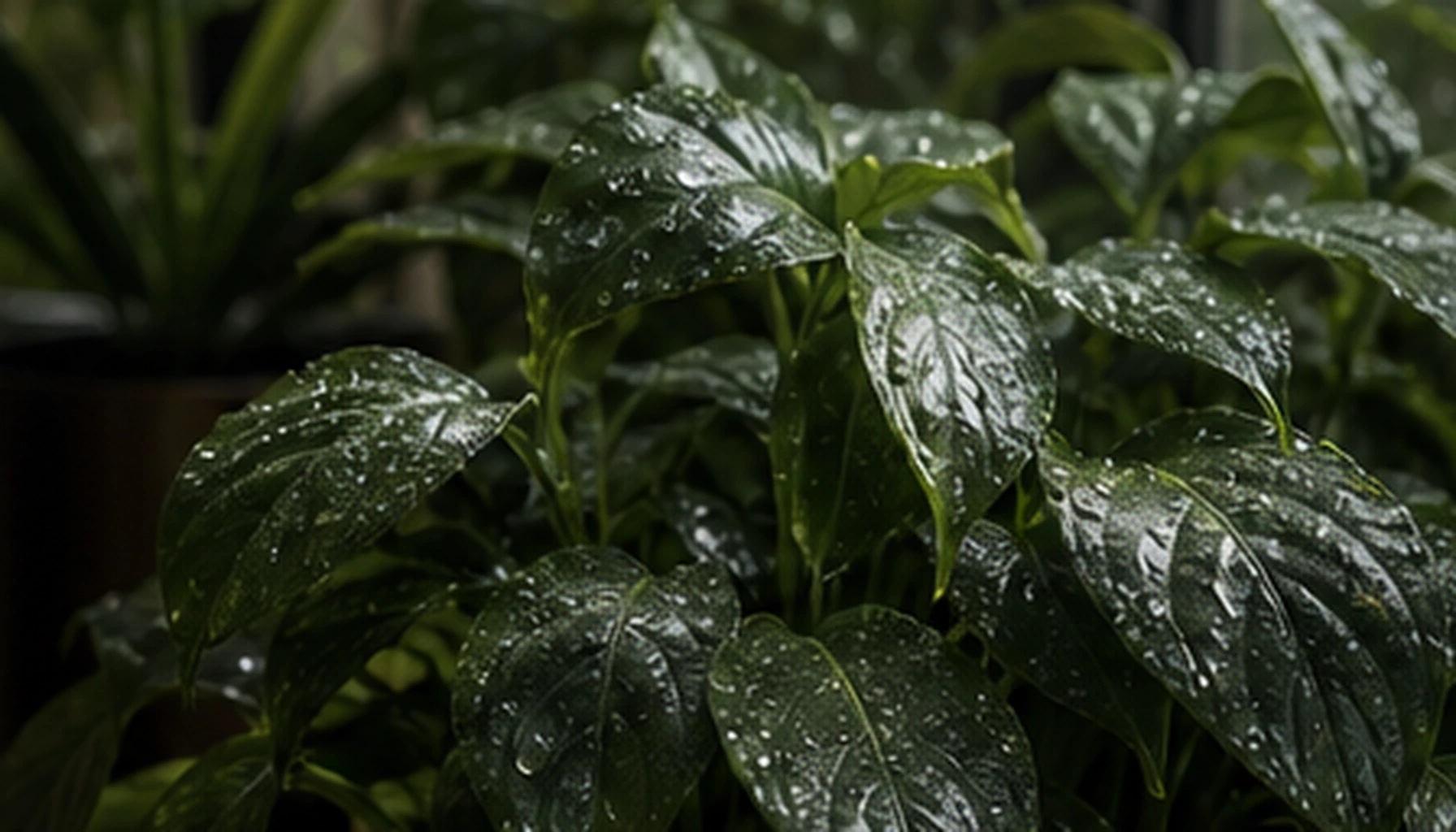
Bathroom temperature fluctuations and frequent moisture changes create another hazard: condensation. Hot water vapor contacting cooler tiles, mirrors, or glass forms water droplets that settle on leaf surfaces. If these droplets fail to evaporate as temperatures drop at night or during cooler periods, extended leaf wetness creates conditions favorable for fungal spore invasion.
Condensation problems most frequently appear during winter or in early morning and evening when temperature differentials are greatest. When observing plants, pay particular attention to leaves with persistently present droplets, especially on leaf undersides and at the crown (growing tip)—these areas have the poorest air circulation and longest moisture retention. If leaves frequently retain water droplets, gently dabbing moisture from leaves with tissue paper after watering provides simple, effective prevention.
Another consideration involves bathroom door usage habits. Someone opening the bathroom door and running exhaust fans after showering to accelerate drying does reduce condensation but simultaneously depletes humidity quickly, creating brief moisture stress for plants benefiting from the humid environment. An ideal approach establishes fixed ventilation windows—during morning or early afternoon when temperatures run higher, air exchange impacts plants less significantly.
Hidden Dangers from Poor Air Circulation
Compared to living rooms or balconies, bathroom air circulation typically runs poor. Enclosed spaces mean slower carbon dioxide replenishment, relatively concentrated oxygen levels, and if bathroom construction used substantial synthetic materials or waterproof coatings, harmful gas accumulation may exceed expectations. While plants' bathroom air purification effects remain limited, poor circulation genuinely impacts plant transpiration and gas exchange.
Observing whether plants develop "suffocated roots" or root problems can occur indirectly through leaf condition. If an entire plant appears healthy yet lower leaves begin yellowing and dropping while the soil surface remains continuously moist, roots' aerobic respiration may be suppressed with underlying soil remaining overly wet. In this situation, even when surface soil appears dry, roots deeper in the pot might still occupy waterlogged conditions.
Improving circulation includes: maintaining properly functioning exhaust fans but avoiding 24-hour continuous operation; opening the bathroom door for at least one to two hours daily for air exchange; placing small silent fans near plants (avoiding direct leaf blowing) to promote air movement without generating excessive wind force.
Plant Selection for Bathroom Environments
Not all plants benefit from bathroom environments. Based on light requirements, humidity preferences, and ventilation tolerance, suitable bathroom plants divide into three categories: preferred plants (low light, high humidity), conditional plants (requiring specific adjustments), and plants to avoid (unmet light or ventilation requirements).
Preferred plants include various ferns (Boston fern, maidenhair fern, bird's nest fern), Calathea varieties (peacock plant, pin-stripe Calathea), pothos, certain Monstera varieties, and select orchids. These plants originate from forest understories or rainforest floors, tolerating lower light while appreciating high humidity—maintaining basic growth even in bathrooms with only around 1,000 lux.
Conditional plants include certain Philodendron varieties, mini monstera, and Peperomia species. These plants have humidity requirements but show growth reduction under insufficient light, requiring periodic relocation to brighter positions for light supplementation or use of artificial light sources.
Plants to avoid include most succulents, cacti, flowering plants (jasmine, gardenia), most culinary herbs, and sun-loving woody plants (fiddle-leaf fig, olive trees). These plants either require abundant direct sunlight or resent high humidity environments—keeping them healthy in bathrooms proves extremely challenging.
Practical Observation and Adjustment Steps
The first two weeks after introducing plants to the bathroom constitute an observation period. During this time, check leaf condition, soil moisture, and new growth daily, documenting any abnormalities (water-soaked leaf spots, yellowing edges, wilting, etc.). If plants remain stable after two weeks without obvious negative reactions, your bathroom environment and that plant match reasonably well.
First, observe leaf shine and crispness. Healthy plant leaves maintain natural luster and flexibility; leaves becoming dull, feeling soft, or showing wrinkles indicate the plant may experience moisture stress or root problems. Next, examine leaf color uniformity—new leaves and older leaves should show natural gradation without obvious spots, yellowing, or fading.
Watering strategy requires adjustment per bathroom conditions. Because bathroom humidity runs higher, soil drying typically proceeds one to two days slower than in living rooms. Rather than following fixed watering schedules, judge based on surface soil dryness (two centimeters depth). For plants in decorative outer pots, remove inner nursery pots after watering, allowing excess moisture to drain completely before returning—this prevents bottom water accumulation.
Avoid these practices: never mist leaves directly in the bathroom (especially at night), which increases disease risk; never place plants directly above toilets, where heat and cleaning residue impacts plant health; never use scented candles or oil diffusers in the bathroom, as these volatile substances may cause chemical leaf burn; never position plants against bathroom window glass during winter, where condensation may create localized cold spots causing frost damage.
The next change to watch for involves seasonal transitions. Summer bathroom humidity may run excessive, causing root overwatering, while winter may experience dramatic temperature fluctuations from frequent hot water use. During seasonal transitions, increase observation frequency, adjusting watering frequency and plant position according to actual conditions. As experience accumulates, you'll gradually discover which positions and seasons suit which plants best, establishing a bathroom plant care routine tailored to your specific space.