
Overview
Recognizing Signs of Persistent Root Zone Saturation in Self-Watering Setups
Self-watering pots provide consistent moisture through bottom reservoirs, but this design can inadvertently keep roots chronically waterlogged. This article helps you identify hidden overwatering in reservoir systems, master safe usage techniques, and prevent your beloved plants from declining due to suffocated roots.
How Self-Watering Pots Work and Their Hidden Risks
Self-watering pots (also called reservoir planters) typically consist of an outer pot, inner grow pot, and bottom reservoir. Plants grow in the inner pot with roots extending downward through drainage holes to absorb water from the reservoir. Capillary action draws moisture up from the bottom, keeping the soil surface dry. This design theoretically reduces watering frequency, making it ideal for frequent travelers or forgetful plant parents.
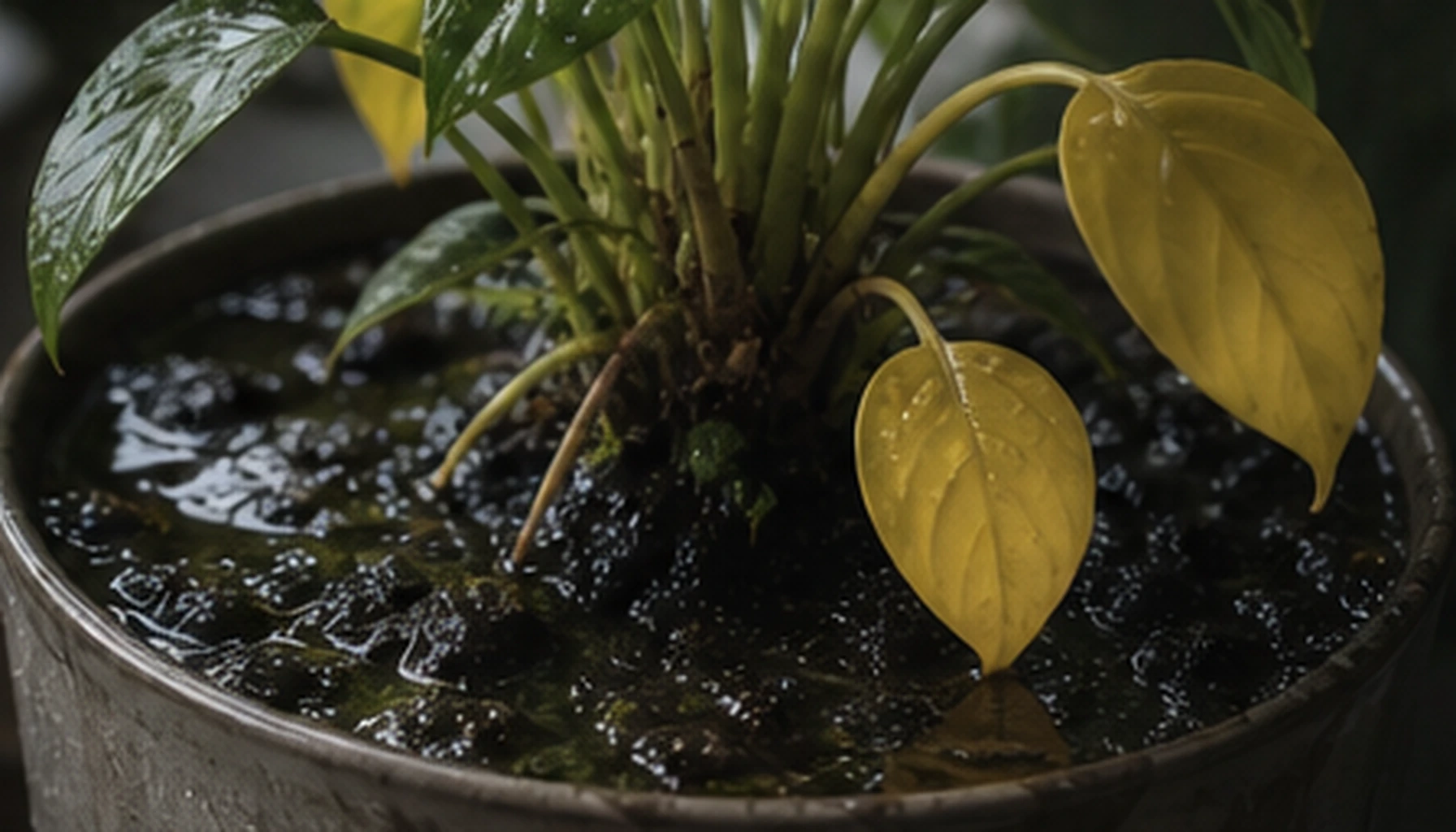
However, this very "automated" feature creates hidden risks. When the reservoir remains constantly full, the soil stays in a high-humidity state indefinitely. Water fills the air pockets around roots, preventing oxygen from reaching them. For most indoor tropical plants, root zone hypoxia disrupts root respiration, leading to root rot—yet the surface shows no obvious symptoms. This is the essence of "hidden overwatering."
Early Warning Signs to Watch For
Recognizing hidden overwatering in self-watering systems requires multi-faceted observation. First, check the reservoir indicator or feel the bottom directly. If the reservoir level hasn't dropped noticeably within 48 hours after watering, the plant's water uptake is slower than water input—a pooling risk. Second, monitor leaf changes: slow new growth, brown leaf tips, yellowing from the bottom up while veins remain green—these are indirect signs of compromised root function.
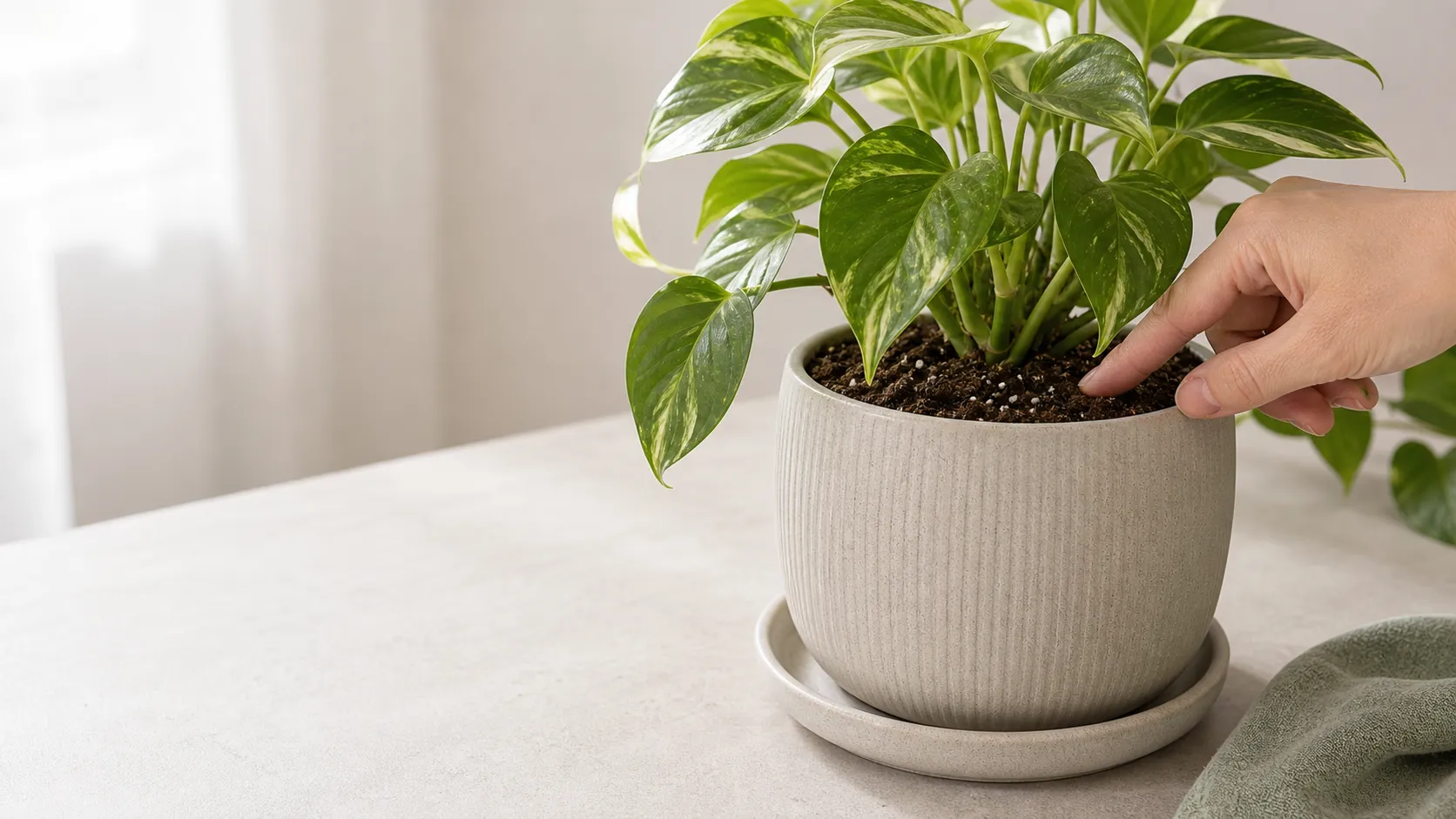
Soil surface conditions also deserve attention. Conventional wisdom says "if the surface is dry, don't water," but if the inner pot soil feels consistently moist even when the surface appears dry, the bottom may already be waterlogged. At this point, assessment should combine both reservoir level and soil moisture, not surface dryness alone.
Safe Usage Procedures for Self-Watering Pots
Step one is selecting appropriate growing medium. Self-watering pots must use well-draining, aerated soil mixes—avoid pure peat or heavy garden soil. Base formulas on peat or coco coir with at least 30% perlite or coarse vermiculite added to increase porosity and ensure adequate oxygen for roots.
Step two is controlling initial water volume. After planting, water thoroughly from the soil surface to allow natural settling and excess drainage. Wait 24 hours, then add water to the reservoir—initial filling should not exceed 1/3 to 1/2 of reservoir capacity. This establishes capillary connection while preventing bottom pooling from the start.
Step three is establishing regular inspection habits. Check reservoir levels at least weekly—don't rely entirely on "auto-refill" settings. Record the time cycle from reservoir filling to empty, then adjust watering frequency accordingly. If levels persistently fail to drop, pause refilling and let the reservoir dry completely before resuming.
Emergency Response When Overwatering Occurs
Once you've determined internal overwatering, immediately stop adding to the reservoir. If the plant shows obvious wilting but the soil remains wet, roots are likely already damaged. Rather than continuing to water, remove the inner pot from the outer reservoir and place it in a well-ventilated area to accelerate drying.
For plants already showing root rot symptoms, repotting becomes necessary. Carefully remove the plant, shake off wet soil, and check root color: healthy roots appear white or light brown; rotting roots appear black or dark brown with soft, mushy texture. Trim all affected roots with sterilized scissors, apply fungicide powder (such as copper-based or systemic fungicide) to cuts, then replant in fresh, dry mixed medium. After repotting, don't water immediately and avoid returning the plant to its reservoir pot for at least two weeks to allow root recovery.
Long-Term Maintenance Considerations
Not all plants suit self-watering pots. Succulents, cacti, and snake plants should avoid reservoir designs—they evolved in arid conditions, and their roots are extremely sensitive to constant humidity. Plants like monsteras, philodendrons, and ferns that prefer consistent moisture are relatively suitable, but still require regular monitoring.
Seasonal changes significantly impact self-watering pot performance. During winter, low indoor temperatures and weak light reduce plant transpiration, drastically decreasing water demand. At this time, greatly reduce reservoir refilling frequency, or even completely empty the reservoir. In summer's heat, when plants are metabolically active, reservoir volume can increase appropriately—but still follow "water when dry" principles.
Observing overall plant health changes remains the most reliable method for determining if a self-watering pot is suitable. If a plant consistently shows leaf problems in a self-watering pot but improves after switching to a standard well-draining pot, the self-watering pot's design or usage has issues—reassess its suitability.