
Overview
When Pretty Pots Become Plant Killers: The Deadly Truth About Standing Water in Cachepots
Decorative cachepots enhance home aesthetics but often cause root rot due to poor drainage. This article explains how water accumulates in cachepots, how to identify early warning signs before root collapse, and how to properly rescue and prevent root rot.
Why Decorative Cachepots Become Hidden Killers
Many people love using decorative cachepots when styling their interiors. These pots, with their diverse designs and materials, can instantly elevate the ambiance of a living room or bedroom. However, behind this seemingly aesthetic choice lies a common plant care trap: root rot.
Root rot doesn't develop overnight. When we place a production pot with drainage holes directly into a decorative cachepot, excess water after watering flows through the drainage holes into the bottom of the cachepot. Since cachepots typically lack drainage holes, this water becomes trapped, forming a standing water zone at the bottom. Plant roots will extend downward through the drainage holes, and when they touch this perpetually damp bottom, they begin to rot in an oxygen-poor environment. This process is initially hard to detect, and by the time wilting, yellow leaves, or other obvious symptoms appear on the plant surface, the roots have often suffered severe damage.
Recognizing Early Warning Signs of Root Rot
The terrifying aspect of root rot is its concealment. Plant roots are like underground pipes—once problems develop, above-ground symptoms often lag behind. Here are several key signals requiring close attention:
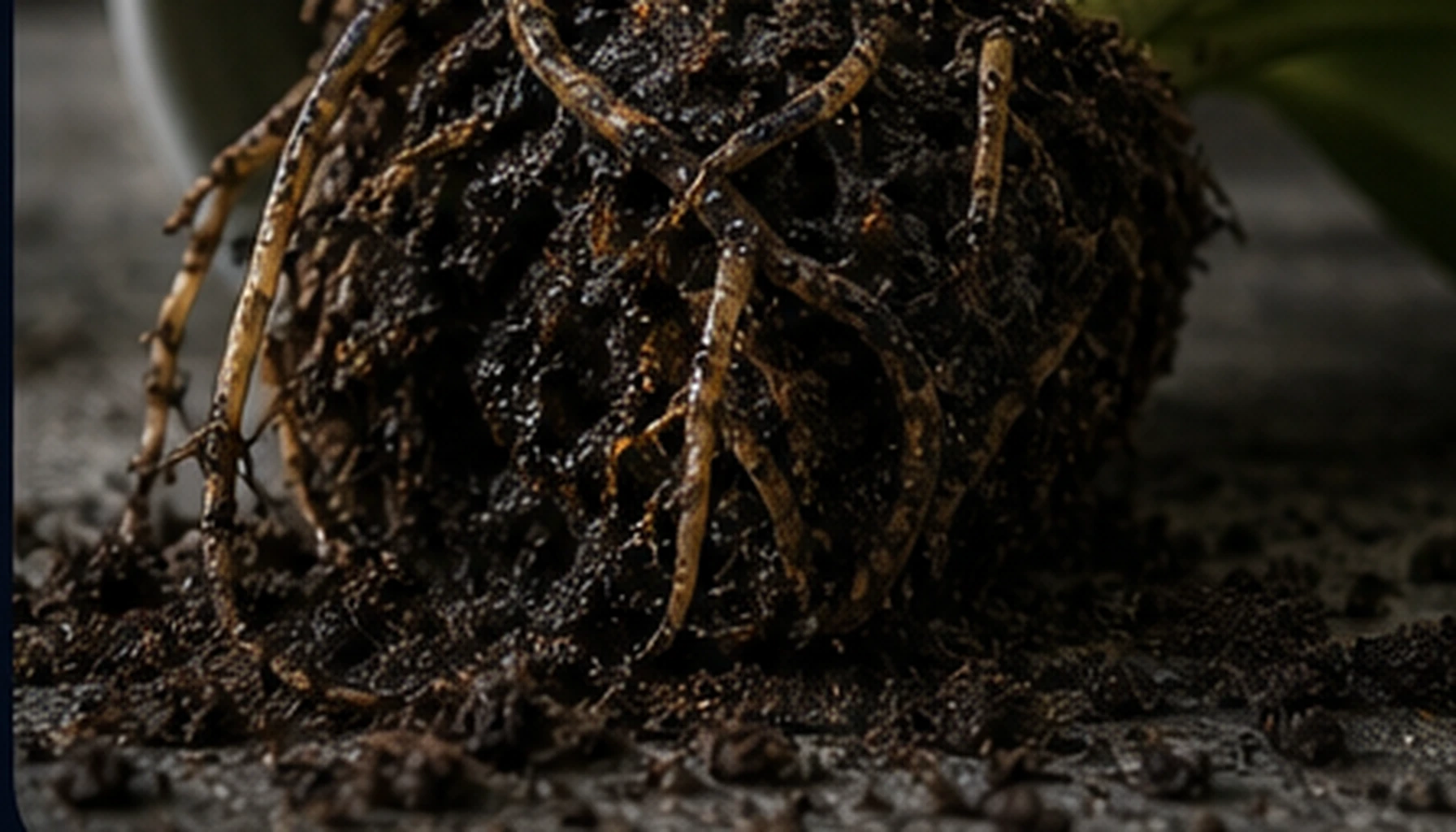
When multiple signals appear simultaneously, immediately remove the plant from its cachepot for inspection. Healthy roots should be white or light brown with firm texture; rotting roots turn dark brown, black, or grayish, feeling soft, sticky, and breaking easily when pulled.
- Soil remains moist for extended periods after watering, exceeding normal drying time by more than three times
- Plants show unusual wilting even when the soil surface doesn't appear dry
- New leaf growth slows or stops; older leaves become dull and lose their natural luster
- Leaves turn yellow from the edges, gradually spreading toward the veins
- Stems feel soft and loose when gently touched, lacking应有的坚固感
- You can see or smell mold from the pot bottom or gaps in the pot wall
Emergency Rescue: How to Reset Before Root Collapse Spreads
Once root problems are confirmed, immediate action is essential. First, gently remove the plant from its original pot, carefully using your fingers or a wooden stick to remove old soil attached to the roots. If the damage is mild (less than 50% of roots affected), preserve some healthy roots for rescue.
Prepare sterilized scissors or a blade to thoroughly cut away all brown, black, and soft-rotted roots. When trimming, cut one to two centimeters beyond the affected area to ensure complete removal of diseased tissue. After trimming, soak healthy roots in diluted fungicide solution (such as carbendazim or mancozeb) for fifteen to thirty minutes for disinfection.
Choose fresh potting medium with excellent drainage and a new container with multiple drainage holes at the bottom. When repotting, don't pack the soil too firmly—keep the medium loose and breathable. Water thoroughly on first watering, then strictly control watering frequency, following the "soak when dry" principle. You can lay a layer of hydroton or crushed stone at the pot bottom as a drainage layer to prevent roots from directly contacting potential standing water.
Rebuilding the Drainage System: Safe Cachepot Practices
Cachepots themselves aren't the culprit—the key lies in proper usage. The safest method is the "double-pot system": use a production pot with drainage holes as the inner container for normal watering and fertilization; the outer decorative cachepot serves only decorative purposes, with at least two to three centimeters of gap between them.
After each watering, check the outer cachepot for standing water within about thirty minutes. If water accumulates, immediately remove the inner pot, discard the accumulated water, then return the inner pot to its place. While this extra step is troublesome, it's the key habit to prevent root rot. If you don't want to perform this frequently, place specialized pot feet or hydroton under the inner pot to keep its bottom elevated above the cachepot bottom.
Changing Watering Strategies to Prevent Recurrence
The root cause of root rot is often closely related to watering habits. Many people over-water with good intentions, or judge whether to water based solely on surface soil dryness—these practices can all cause problems. The correct approach: insert your finger two to three centimeters into the soil, and only begin watering when the soil at this depth also feels dry. During winter or seasons with insufficient light, when plant transpiration decreases, watering frequency should be significantly reduced.
Another key factor is seasonal adjustment. During spring and summer when plants grow actively, watering can be appropriately increased; during autumn and winter, water volume should be noticeably reduced. Furthermore, choosing breathable pots and soil media is itself a fundamental measure to prevent root rot.
Observing Recovery: What to Watch Over the Following Weeks
The two weeks following rescue completion are the critical period. Plants need time to adapt to their new environment and regrow roots—during this period, slight wilting or some older leaf drop may occur, which is normal stress response. However, if wilting worsens or extensive leaf drop happens, root conditions may need re-examination.
Usually within three to four weeks after successful rescue, new growth signs will begin appearing—possibly new leaf emergence or existing leaves regaining luster. If no improvement occurs after six weeks, the roots may not have recovered or suffered further damage during treatment, requiring re-evaluation of the rescue plan.
In the long term, fundamentally changing your care philosophy is the real solution. Remember: roots need to breathe and grow healthily in well-draining environments. The aesthetic appeal of decorative cachepots should not come at the cost of plant health. Master the correct way to use cachepots, and you can fully enjoy the visual pleasure decorative pots bring while maintaining thriving plant growth.