
Overview
Observe, Plan, Wait: The Science Behind Thoughtful Pruning for Natural Branching
Pruning is an effective way to make indoor plants fuller and healthier, but indiscriminate cutting can actually harm your plants. This article will help you learn to observe growth nodes and plant health, master the right timing and methods for pruning, avoid common "panic cutting" mistakes, and understand realistic growth responses after pruning—so your plants naturally produce side branches at the right time, developing fuller, more attractive forms.
Why Pruning Makes Plants Fuller
Many beginner plant parents notice their indoor plants growing tall but sparse, with thin, unappealing forms. This is due to "apical dominance"—growth hormones concentrated at stem tips suppress lateral bud development. By pruning at the right location, you can break this dominance and redirect nutrients to stimulate dormant buds, encouraging natural branching that creates fuller, rounder plants.
Three Key Observations Before Pruning
Before picking up your scissors, complete these observations:
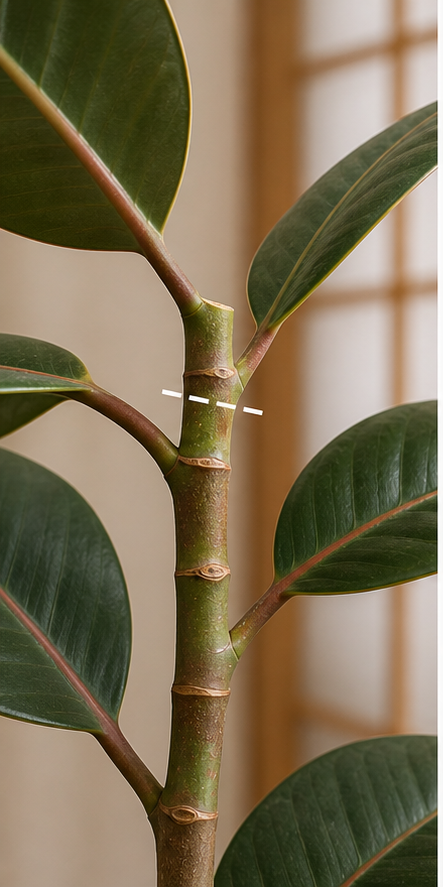
- Locate the Nodes : Find where leaves or petioles connect to the stem—these are "nodes," and lateral buds typically emerge here. Make your cut about 1-2 cm above a node to preserve the lateral bud's growth point.
- Check for New Growth : Healthy plants show visible new buds or small leaves during the growing season (usually spring and early summer). If your plant is dormant or unhealthy, focus on recovery first before pruning.
- Assess Overall Health : Are the leaves vibrant and glossy? Are the roots healthy? Only plants in good condition should be pruned. Yellowing leaves, root rot, or recently repotted plants are not candidates for pruning.
Step One: Proper Preparation and Positioning
Tool preparation and cut placement are fundamental to successful pruning:
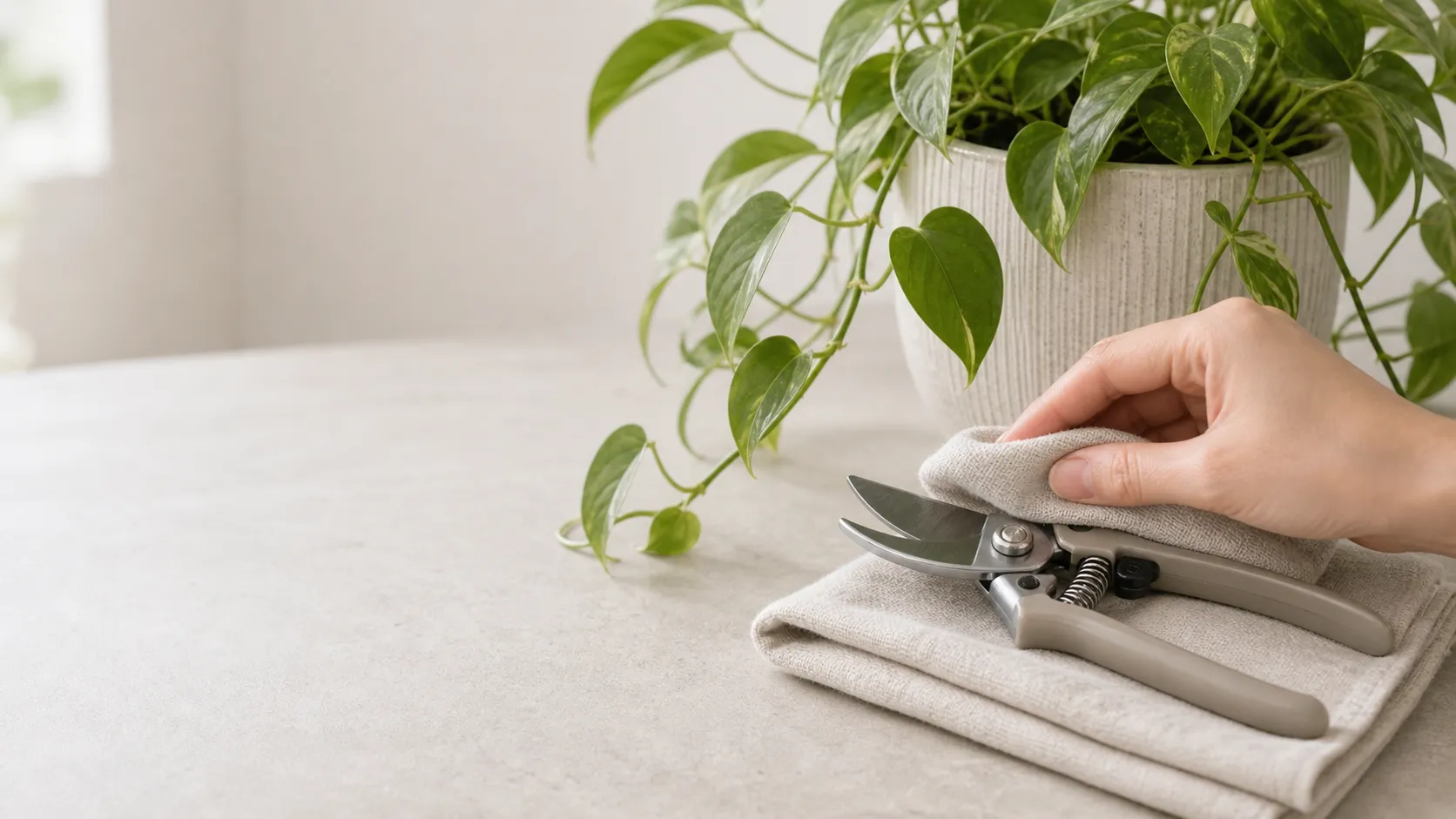
- Sterilize Tools : Use sharp scissors or pruning shears, wiping the blades with alcohol before use to prevent fungal or bacterial infection. For succulents or plants that bleed sap, keep tissues handy to wipe the cut.
- Choose Cut Placement Strategically : Cut above the node where you want new growth. For basal branching, prune 5-10 cm from the soil. For branching at a specific height, cut above that section's nodes. Make cuts at a 45-degree angle to help water run off and reduce infection risk.
- Preserve Foliage : Never remove more than one-third to one-half of the plant's total leaf volume. Plants need sufficient leaves for photosynthesis to fuel recovery and new growth.
Critical Pruning Mistakes to Avoid
Many plant parents make these errors that damage their plants:
- Panic Cutting : Seeing a plant looking "bad" and aggressively cutting everything back. Plants need leaves for photosynthesis and transpiration to transport nutrients—over-pruning causes weakness or death.
- Poor Timing : Pruning during winter dormancy or extreme summer heat. Plants grow slowly then, wounds heal poorly, and infection risk increases.
- Dirty or Dull Tools : Using unsterilized or dull scissors can crush stems or introduce pathogens.
- Wrong Cut Location : Cutting directly through a node damages the lateral bud, or cutting too far below a node leaves bare stem sections without growth potential.
What Growth Responses to Expect After Pruning
Plants undergo predictable stages after pruning; understanding these helps you evaluate success:
- Stage One (Days 1-3) : Wound healing. Some plants "bleed" sap—this is normal. Keep the environment ventilated so cuts can dry and callous naturally.
- Stage Two (Weeks 1-2) : Lateral buds activate. If cut correctly, you'll notice nodes along the stem beginning to swell or tiny bud points emerging. This signals successful breaking of apical dominance.
- Stage Three (Weeks 2-8) : New branches develop. Lateral buds grow into small branches, and the plant begins appearing fuller. New growth may be thin initially—this is normal.
- When Nothing Happens : If no changes occur after 2-3 weeks, you may have cut in the wrong place, the plant may be unhealthy, or timing may be off (dormant period). Continue normal care and wait for the next growing season to try again.
Care Tips to Support Post-Pruning Growth
Proper care after pruning helps new branches grow stronger:
- Adjust Lighting : During the growing season, move plants to bright indirect light. Photosynthesis fuels new growth.
- Modify Watering : Pruned plants transpire less, so reduce watering frequency to avoid waterlogging and root rot.
- Hold Off on Fertilizer : Don't fertilize immediately after pruning. Wait until new buds are visibly growing, then introduce diluted liquid fertilizer to support development.
Conclusion: Patience Is a Pruner’s Best Friend
Pruning isn't magic—it's working with plant growth rhythms. Each plant has its own timing, and results may take weeks to months. Stay patient, keep observing, and adjust as needed. Your plants will reward your care with fuller, healthier forms. Remember: light, frequent pruning beats aggressive cuts. Give plants time, and they'll respond with more beautiful growth.