
Overview
How to Leverage Plant Micro-Communities for Better Care While Preventing Pest and Disease Spread
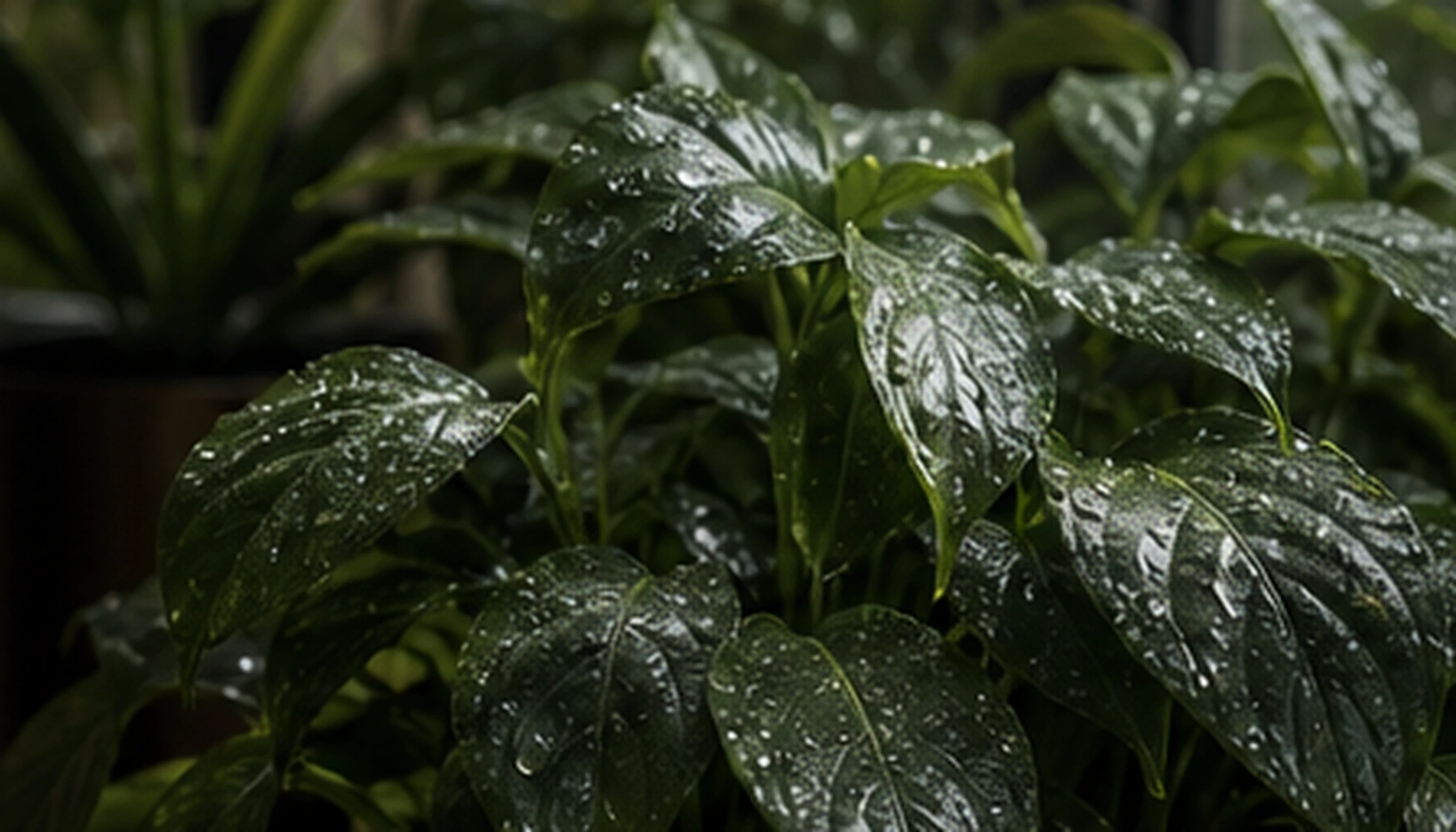
Grouping plants together can effectively raise local humidity, creating a microclimate similar to tropical rainforests, which is especially beneficial for humidity-loving foliage plants like monstera and philodendron. This community effect keeps leaves glossy, reduces leaf tip burn, and lowers watering frequency. However, overly dense arrangements can impede air circulation and provide breeding grounds for fungal spores and pests.
Benefits of Plant Grouping: The Humidity Sharing Principle
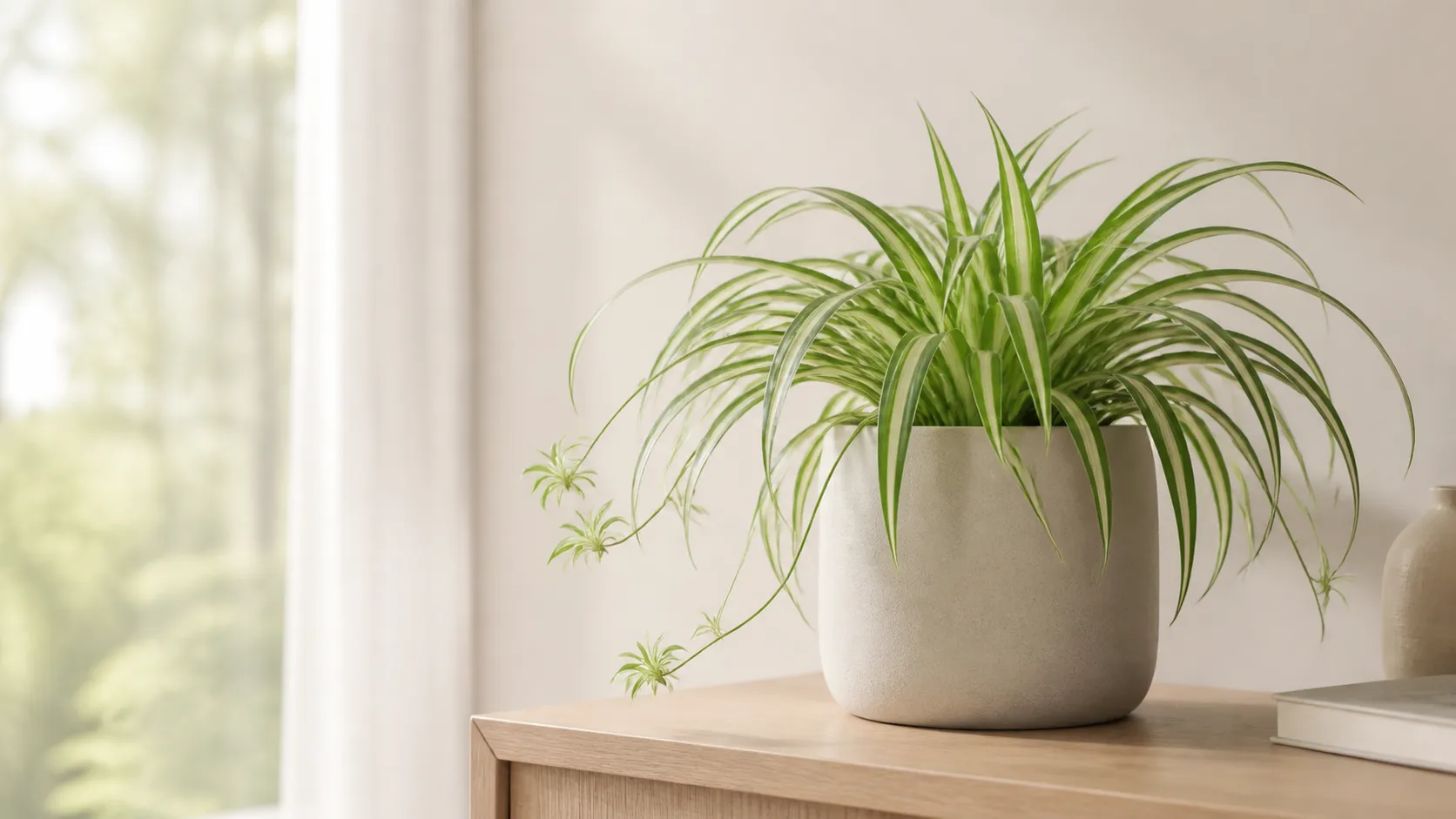
When multiple plants are placed together, transpiration from leaf surfaces accumulates water vapor in the local space. This natural micro-community effect can raise surrounding air humidity by 10% to 20%, creating a more stable and natural high-humidity environment for tropical-origin plants than using a humidifier alone. Species like monstera, philodendron, anthurium, and spider plant will develop glossier, more expansive leaves in such environments, with noticeably faster new leaf emergence.
In practice, grouping 5 to 8 plants with similar growing habits around a central point, with spacing of 15 to 25 centimeters between plants, works well. This ensures slight air circulation between leaves while creating humidity accumulation across the entire group. Observing leaf moisture is the most direct indicator of success—fine water droplets condensing on leaves in early morning means the micro-community humidity regulation is working.
Risks of Overcrowding: Hidden Threats
When plant spacing falls below 10 centimeters or leaf coverage exceeds one-third mutual shading, ventilation problems emerge. Fungal diseases like botrytis and leaf spot spread rapidly in humid, stagnant environments, potentially spreading across an entire plant community within three to five days once infected. Scale insects and spider mites also favor these concealed, humid corners, often breeding on leaf undersides where they can establish significant populations before detection.
A simple method to determine overcrowding: insert your hand between the leaves. If fingers cannot easily fit or you feel stuffy, humid conditions, ventilation is insufficient. Additionally, regularly inspect the leaf axils and stem bases of each plant—these areas most easily harbor insect eggs and disease spots. When problems are found, immediately isolate affected plants; do not retain them in the community hoping the issue resolves itself.
Practical Steps: How to Arrange Plants Correctly
Step one is assessing the growing habits and mature sizes of existing plants. Group humidity-loving varieties together; separate shade-tolerant and sun-loving species. Place large pots around the perimeter and smaller pots toward the interior. This protects interior plants from direct cold drafts while ensuring relatively even indirect light for all.
Step two is measuring and maintaining ventilation corridors. Each plant's leaf margin should maintain at least 10 centimeters from neighboring plants, with floor-level clearance of 15 centimeters or more for easy cleaning. If leaves begin curling or turning yellow, prioritize investigating whether dense spacing is preventing lower leaves from breathing.
Step three is establishing a regular inspection routine. Spend a few minutes each week bending down to observe each plant's leaf undersides and stem bases, recording which locations tend to accumulate water or debris. Clearing fallen leaves and withered petioles is the simplest and most effective method to prevent pest and disease spread.
Observation Indicators and Adjustment Signals
Signals indicating spacing adjustment is needed include: noticeably slowed new leaf growth; irregular leaf scorch or yellowing; overall wilting despite adequate soil moisture; powdery or furry spots appearing on leaf surfaces. When these occur, first check for ventilation issues, then consider whether some plants need separation.
Successful plant groupings should allow each plant's leaves to sway slightly with a gentle breeze. Air should form natural convection currents between plants, carrying away excess moisture and potential pathogenic spores. Achieving this balance requires continuous fine-tuning based on seasonal changes and plant growth states.
Remember, the purpose of community effects is to improve care efficiency, not create care blind spots. Regular observation and timely adjustments allow plant groupings to truly leverage humidity-sharing advantages while remaining free from pest and disease threats.