
Overview
Practical Tips for Improving Air Circulation While Protecting Delicate Foliage
This article details the art of using fans in indoor plant care, covering airflow management principles, appropriate fan selection, placement and wind direction techniques, observing plant responses, and seasonal adjustment recommendations. It helps gardening enthusiasts improve air circulation without damaging leaves, preventing disease and promoting healthy plant growth.
Why Indoor Plants Need Proper Air Circulation
Good air circulation is essential for indoor plant health. Plants release water through transpiration, and without proper ventilation, moisture accumulates around leaves creating a humid microenvironment that fosters fungal and bacterial growth. Common problems include gray mold and anthracnose on leaves. Additionally, circulating air supplies fresh carbon dioxide to leaves, the raw material for photosynthesis, directly affecting growth rate and leaf color. Plants in poorly ventilated spaces often develop yellow leaves, stunted growth, and reduced disease resistance.
Choosing the Right Fan Type
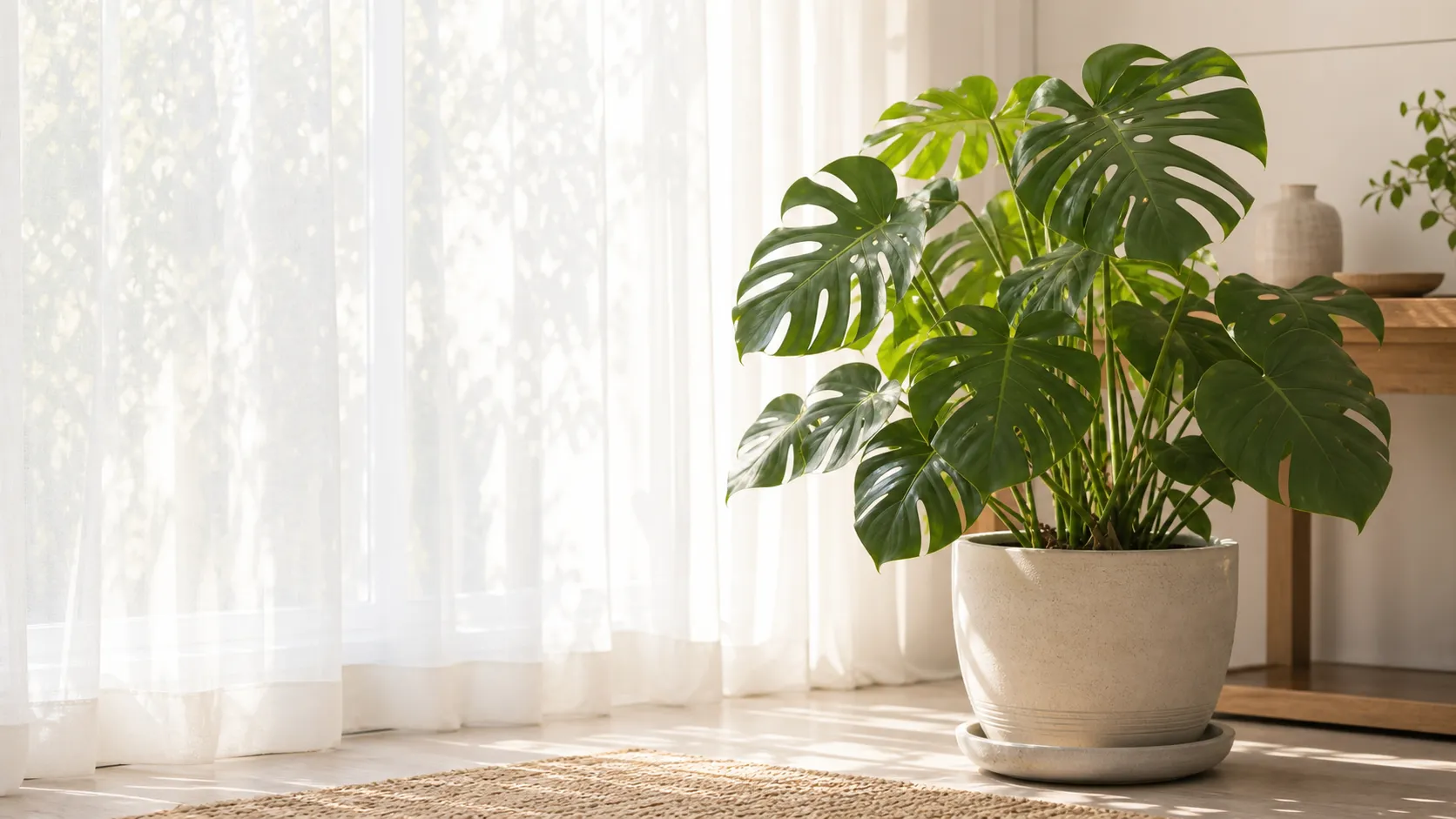
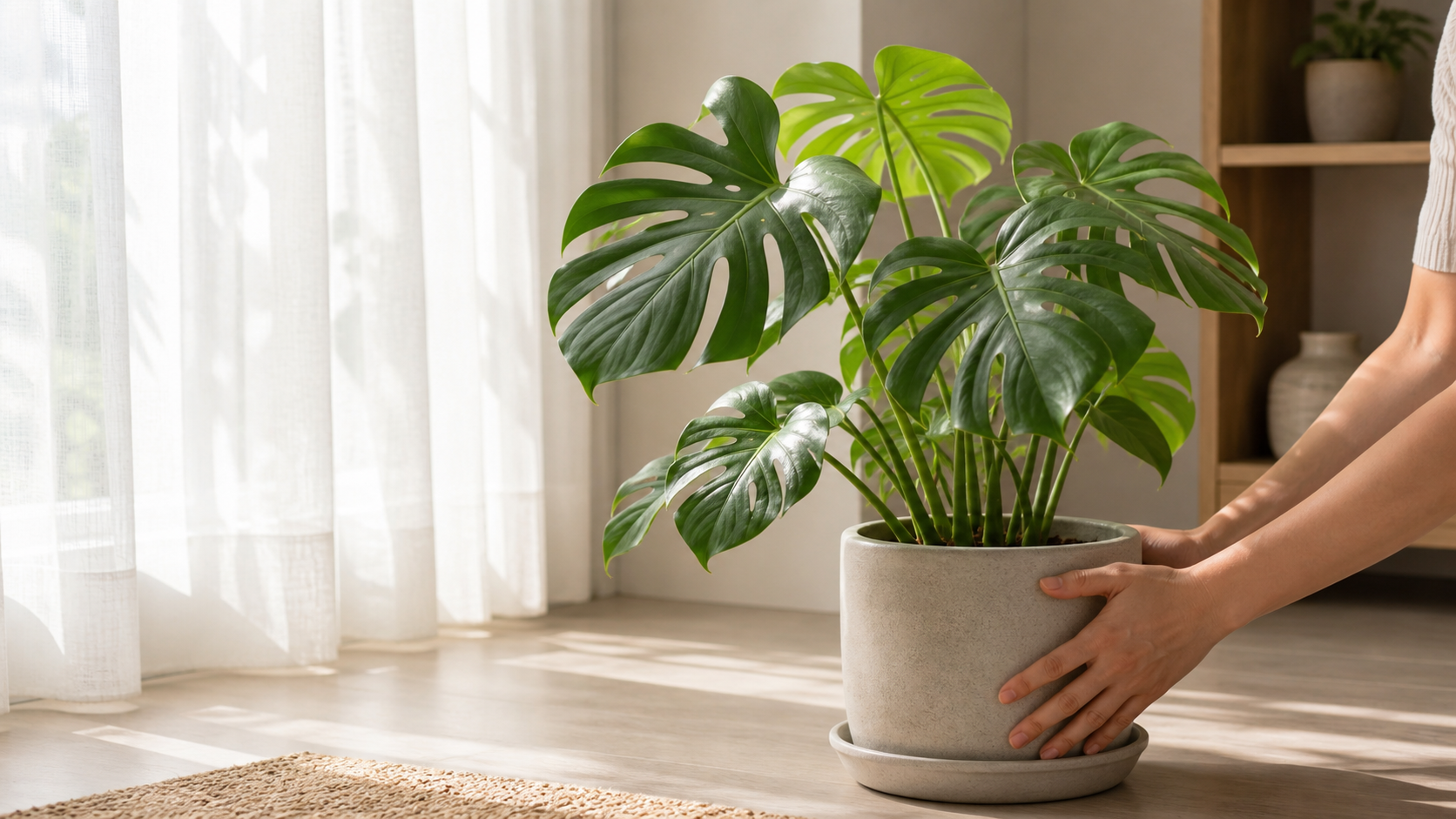
When selecting fans for indoor plants, prioritize adjustable wind speed. Small floor fans or USB desk fans with multiple speed settings are recommended as they provide gentle, controllable airflow. Avoid industrial high-power fans unless your plants are very robust with tough leaves. Ideal fans should produce soft air currents at low settings, causing only slight leaf movement. For succulents or fleshy-leaved plants, choose weaker airflow; larger tropical plants like Monstera or Ficus can tolerate slightly stronger ventilation.
The Golden Rules for Fan Placement
Fan placement is crucial for effective ventilation. First, maintain 1.5 to 2 meters distance between fans and plants, allowing wind to disperse and soften during propagation. Second, never direct airflow straight at plant leaves. The most scientific approach is placing fans in room corners, letting air reflect off walls or furniture before reaching plants as scattered currents. This indirect ventilation ensures air circulation while preventing leaf dehydration from constant wind exposure. If only one corner is available, consider placing a diffusion panel in front of the fan to convert strong wind into scattered breeze.
Usage Duration and Intensity Control
Fans don't need to run continuously. Two to four hours daily during daylight hours when plants photosynthesize is generally sufficient. During hot, humid summers, extend ventilation time appropriately to help plants cool and reduce surrounding humidity. In dry winters, reduce usage frequency to avoid further lowering indoor humidity. Wind speed adjustment follows a simple principle: observe leaf response. Slight swaying indicates appropriate strength, violent movement means wind is too strong, and complete stillness suggests insufficient airflow or improper placement.
Four Signals of Plant Response
After using fans, closely monitor feedback signals from your plants. The first signal is leaf movement amplitude; healthy response is gentle swaying, not violent shaking. The second signal is color changes at leaf tips and edges; burning or drying indicates excessive wind or prolonged use requiring immediate adjustment. The third signal is soil surface drying rate; ventilation accelerates moisture evaporation, possibly requiring increased watering frequency or adjusted water volume. The fourth signal is new leaf growth condition; normal unfurling with fresh green color suggests proper ventilation management; curled or stunted new growth may indicate ventilation problems.
Common Mistakes and Correct Practices
The first mistake is pointing fans directly at plants. While this seems to improve ventilation, it causes rapid local water loss from leaves, resulting in burned edges and curled leaves. The second mistake is believing stronger wind equals better ventilation. Plants need air circulation, not gale-force winds; excessive wind damages leaf surface protective layers and reduces disease resistance. The third mistake is using identical settings year-round. Winter air is typically drier, frequent fan use exacerbates dryness problems; summer requires more ventilation to reduce disease risks. The fourth mistake is ignoring individual plant differences. Succulents and cacti from naturally dry, ventilated environments are wind-sensitive and need minimal airflow; tropical rainforest plants typically tolerate stronger ventilation.
Solutions for Special Situations
For newly potted or repotted plants, avoid fan use for the first two weeks, allowing root systems time to adapt to new soil and recover water absorption function. For flowering plants, excessive wind causes pollen shedding or petal damage; set fans to lowest setting or pause use during bloom. For plants recovering from illness, appropriate ventilation helps prevent disease recurrence but direct blowing should still be avoided. For succulent arrangements, since they naturally grow in dry, ventilated environments, use minimal wind or only brief ventilation when necessary.