
Overview
A Three-Step Gradual Approach to Help Plants Adapt to Seasonal Light Changes
This article helps indoor plants safely transition to brighter windowsills and balconies during summer, using gradual methods to acclimate them to increased light without sunburn damage. It covers light intensity recognition, step-by-step acclimation, common mistakes to avoid, and plant response observation techniques.
Why Summer Balcony Light Requires Special Attention
As summer arrives, increased sunlight duration and intensity create a sudden environmental shift for many indoor plants. Balcony and windowsill light levels can be several times or even tens of times higher than interior spaces. Without proper transition, plants may develop yellowing leaves, curling edges, or severe sunburn spots. This article provides essential methods for safely acclimating indoor plants to brighter summer environments.
Step One: Observe and Assess — Understand Light Conditions and Plant Status
Before moving any plant, evaluate the actual light conditions at the target location. Balcony light intensity varies dramatically by orientation: east-facing balconies receive gentle morning light around 20,000-30,000 lux; south-facing balconies can reach 80,000-100,000 lux at noon; north-facing areas remain relatively mild at 15,000-25,000 lux. Use a smartphone lux meter app for quick estimations to guide your decisions.
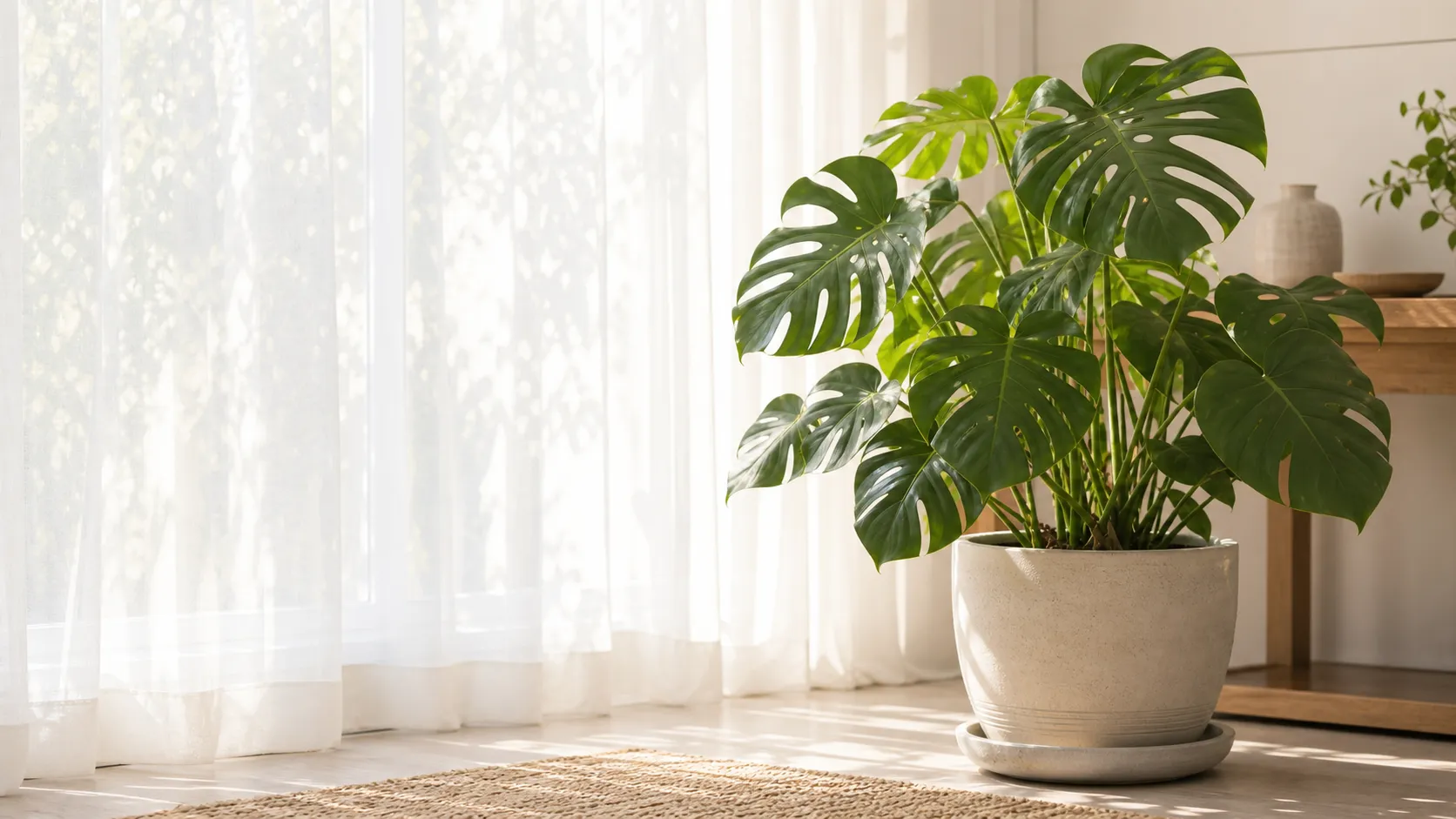
Leaf observation provides intuitive insight into a plant's light tolerance. Plants with thin, broad leaves like pothos, monstera, and peace lilies originate from forest understories and may struggle with direct light exceeding 20,000 lux. Succulents, cacti, and certain flowering plants can tolerate 50,000+ lux of bright light. Document each plant's current growth performance as a baseline for future adjustments.
Step Two: Gradual Acclimation — Safe Transition Procedures
Plants require time to adapt to new light environments. Implement the "duration progression method": during week one, place plants in shaded areas near balcony interiors, receiving only 1-2 hours of morning sun; during week two, move to partially shaded positions with morning half-sunlight; during week three, gradually shift toward the final target location. The entire process takes 2-4 weeks, allowing plant cells to progressively adjust photosynthetic mechanisms.
To accelerate adaptation, consider the "distance progression method" — gradually reducing the distance between plants and windows, or using sheer curtains to incrementally increase light transmission. Combine both approaches for flexibility. Monitoring plant responses determines whether progress is on track: slight wilting or leaf lightening indicates moving too fast, so step back to the previous stage.
Step Three: Ongoing Observation — Judging Successful Adaptation
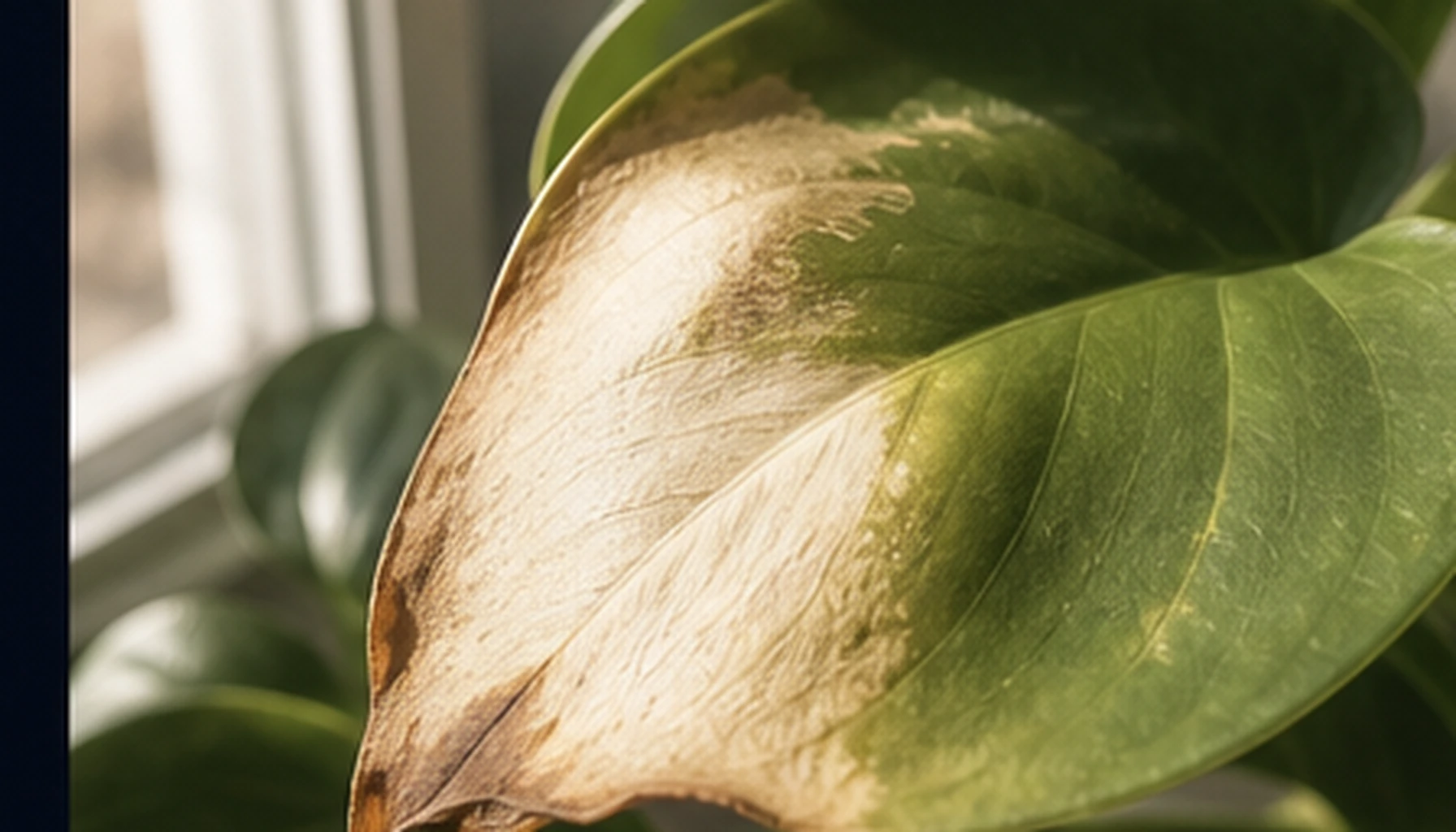
During adaptation, closely watch for plant feedback. Early sunburn signs include brown spots on leaf tips or edges, translucent patches on leaf surfaces, or whitish dry areas on sun-facing sides. Upon noticing these indicators, immediately move plants back to shade, maintain normal watering, and mild light stress responses typically recover within 1-2 weeks.
Positive signals of successful adaptation include: normal new leaf growth rate, vibrant leaf color, and overall full, compact plant form. Even after plants adapt to higher light, avoid sudden relocation to even brighter positions — seasonal light continues changing, requiring ongoing dynamic adjustment awareness.
Basic Principles for Summer Balcony Plant Placement
Plant selection strategies differ significantly across balcony orientations. East-facing balconies suit most foliage plants with gentle morning light; south-facing areas require careful selection of sun-tolerant varieties or light regulation via shade nets; north-facing balconies become ideal for semi-shade plants.
Using balcony furniture, sunshades, or shadows from larger planters creates local partially shaded environments, effectively expanding the range of placeable plants. Summer watering frequency typically increases, but maintain the principle of well-draining soil and avoiding water accumulation that causes root rot.