
Overview
Smart Watering Rules 48 Hours Before You Leave
Before weekend trips, many plant parents overwater everything before leaving, only to return and find some plants with root rot while others are wilted from drought. This guide teaches you how to scientifically assess which plants need water and which can wait until you return, based on plant species, soil conditions, and environmental factors.
Why You Shouldn't Water Everything Before Leaving
The most common mistake before weekend trips is watering every single plant thoroughly, as if this will guarantee their "safety" for two or three days. In reality, this approach often backfires. Plants have vastly different water needs—succulents and cacti may only need completely dry conditions while you're gone, whereas ferns and calatheas might show signs of dehydration within a day. If you water everything thoroughly, moisture-loving plants might survive, but drought-tolerant plants may develop root rot from sitting in water.
Observation Is the First Step
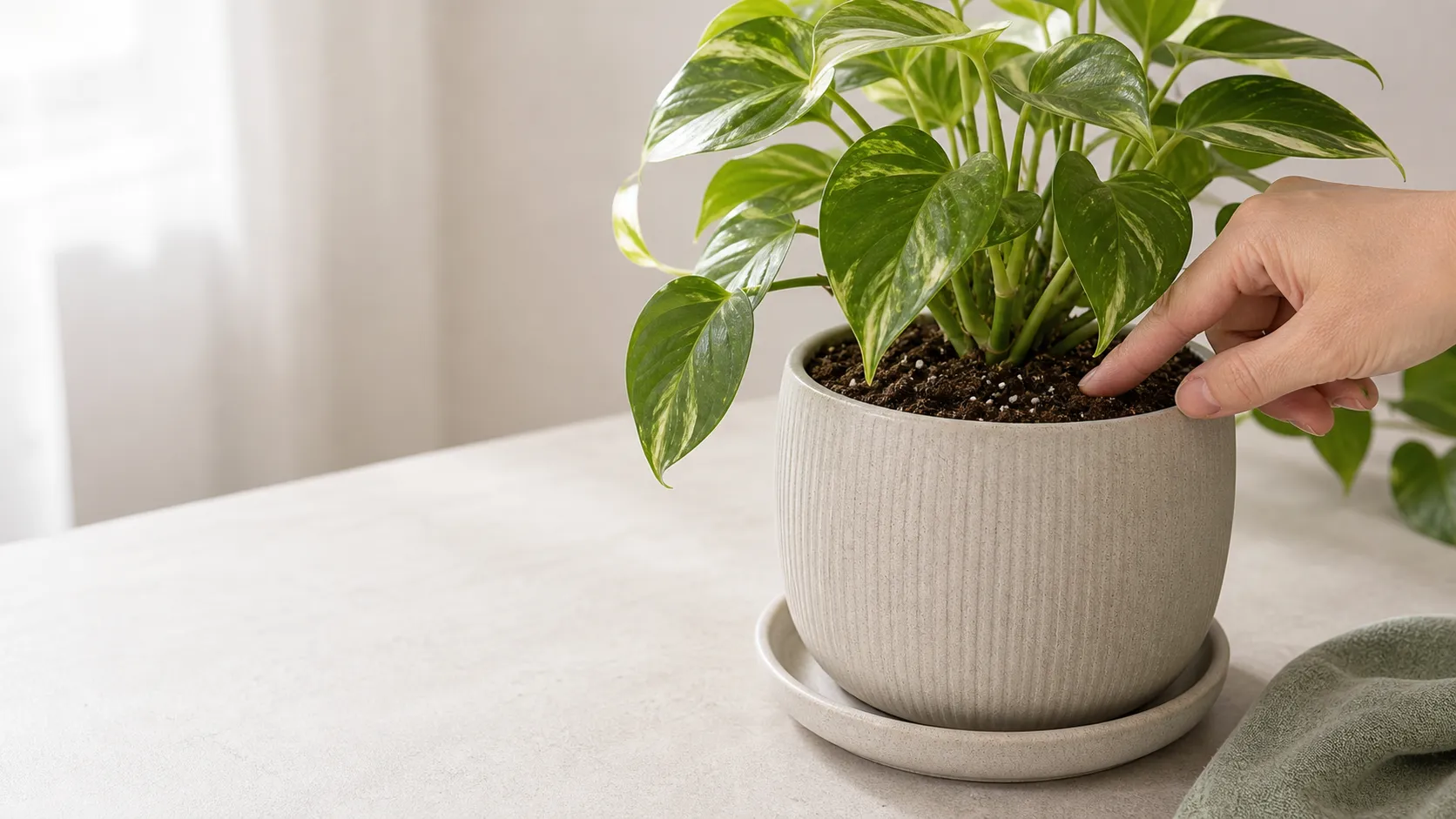
Starting two days before departure, give all your plants a "health checkup." First, observe leaf condition: healthy but thirsty plants will have slightly drooping leaves, faded colors, and feel less firm to the touch; well-watered plants should have flat, glossy leaves. Second, check the soil surface: insert your finger 2-3 centimeters into the soil. If it feels dry and loose, watering is needed; if it still feels moist and sticky, no extra water is needed for now.
Categorize: Handle the Most Thirsty Plants First
Divide your plants into three groups based on water needs. Group one is "high water needs plants," including ferns, calatheas, spider plants, pothos, and Acanthaceae family plants. These may need water daily during warm seasons and can even require watering twice a day in dry environments. Water them thoroughly two hours before leaving, ensuring soil is moist but not waterlogged. Group two is "moderate water needs plants," like most foliage plants, monstera, and sansevieria. A thorough watering before leaving is sufficient without watering until it drains from the bottom. Group three is "low water needs plants," including succulents, cacti, snake plants, and air plants. These can definitely wait until you return, and keeping them dry before departure is actually safer.
What NOT to Do: Your "Insurance" Is Actually Dangerous
The first thing not to do is the tray soaking method for all plants. Many people place pots directly in water-filled trays, thinking this provides continuous water supply. While this works temporarily for moisture-loving plants, it causes prolonged soaking for drought-tolerant plants, eventually leading to root rot. The correct approach is to only use tray watering for plants that genuinely need high humidity, and never let water level exceed the pot bottom.
The second thing not to do is moving plants to dark corners to "reduce evaporation." Plants need photosynthesis to sustain life, and suddenly transferring them to severely low-light conditions causes stress, actually consuming more stored energy and accelerating dehydration. If you're worried about excessive evaporation, loosely cover plants with clear plastic bags with a few ventilation holes. This can reduce moisture loss by about 30% without completely blocking light.
Practical Methods for Sustained Water Supply
For high water needs plants, you can create simple self-watering devices. Take a cotton string or capillary fabric, bury one end in the soil, and place the other end in a water container positioned higher than the soil surface. Water will slowly seep into the soil through capillary action, sustaining for three to five days. When doing this, place the container beside the plant, weight down the string to keep it in place, and ensure water absorption flows smoothly.
Another effective method is the humidity tent technique. Cover plants that need high humidity (especially ferns) with clear plastic bags or plastic wrap, poking a few small holes for ventilation. This creates a micro-water cycle around the plant and soil, maintaining humidity for extended periods. Note that the tent should not stay on for more than five days, or mold problems may develop.
Changes to Watch for Upon Your Return
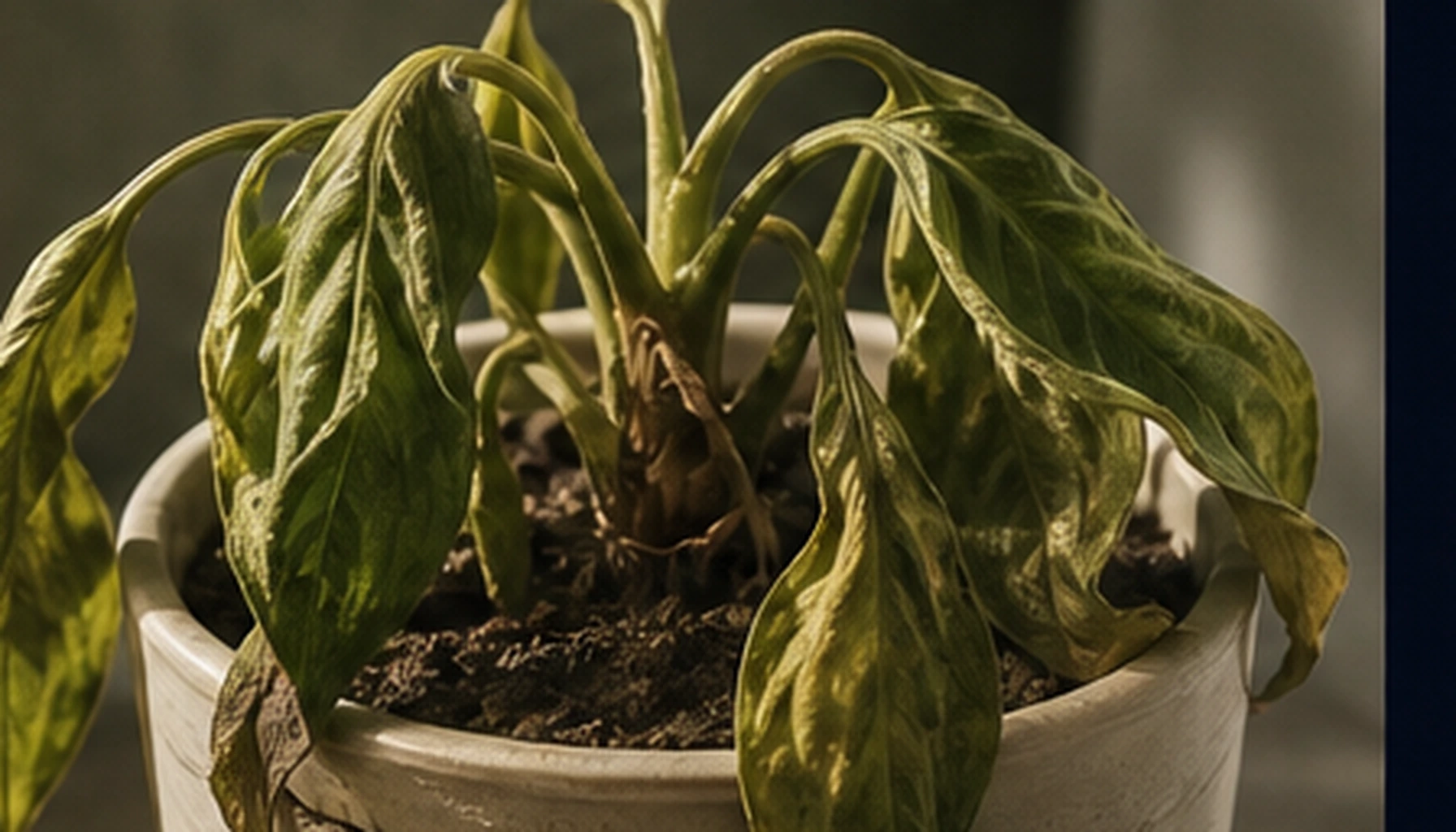
When you return from your weekend trip, the first thing to do is not watering but carefully observing each plant's condition. If leaves are slightly drooping but color is still normal, the plant is likely slightly dehydrated and needs only minimal watering. If leaves have completely collapsed and appear dull, severe dehydration is likely, requiring gradual watering—first give a small amount, wait a few hours as roots slowly recover water absorption function, then water normally. If you notice brown soft rot spots on leaf edges or stems, overwatering may have caused root rot, immediately stop watering, improve ventilation, and check roots by removing the plant from its pot if necessary.
For plants using humidity bags or self-watering devices, remove these first upon returning, let plants adapt to normal conditions for a day, then observe whether watering is needed. This prevents stress reactions from sudden return to dry environments.
Build Your Own Travel Watering System
After a few weekend trips, you can establish your own plant departure watering routine. Record each plant's condition before travel, water amounts, environmental conditions, and plant reactions upon your return. Gradually develop a watering system that suits your home environment. Remember, every home has different temperatures, humidity, and light conditions, so plant water needs vary. Following someone else's experience rigidly is less reliable than building your own observation records.