
Overview
Move beyond winter caution and align your watering rhythm with returning light and new growth
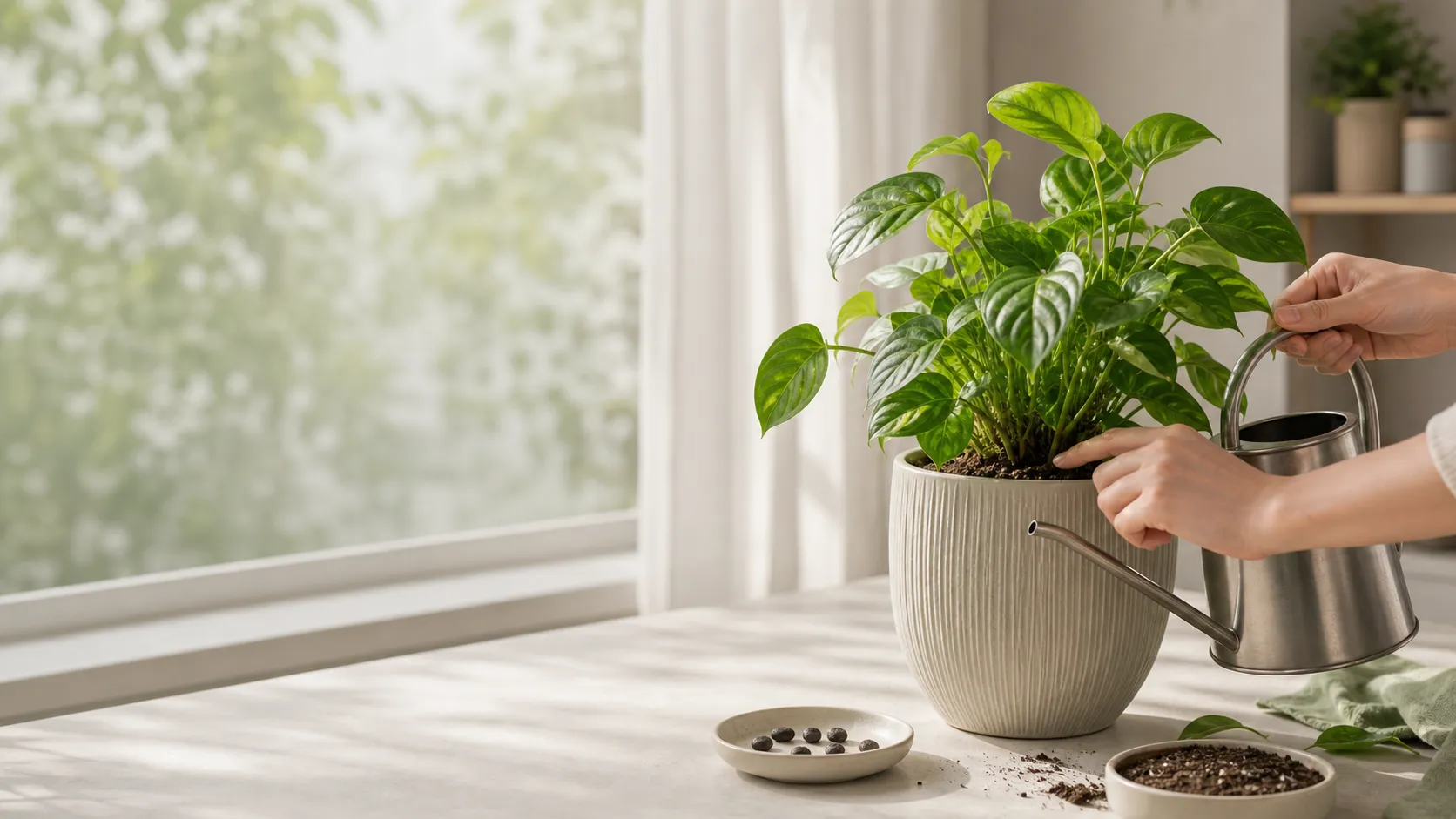
After winter, many indoor plants enter a semi-dormant state with significantly reduced water needs. As spring brings longer days and stronger light, plants awaken and demand more water. But a sudden large increase in watering can shock roots, leading to root rot or yellowing leaves. This article walks you through observing signals, adjusting your rhythm, and monitoring feedback so you can build a safe, gradual, responsive watering strategy for spring.
Observe: Read the Wake-Up Signals Before Acting
Spring watering adjustments must be grounded in real observation, not simply the calendar date. The earliest signs of awakening typically include:
If you keep multiple plants indoors, don't expect them to wake up simultaneously. Plants near windows tend to become active earlier than those in corners, so each plant needs individual assessment.
- New buds or young leaves appearing. This is the most direct evidence of renewed growth, meaning transpiration and metabolic rates are climbing.
- Leaf color lightening or becoming shinier. During semi-dormancy, leaves often look dull and gray; as activity resumes, color gradually returns to fullness.
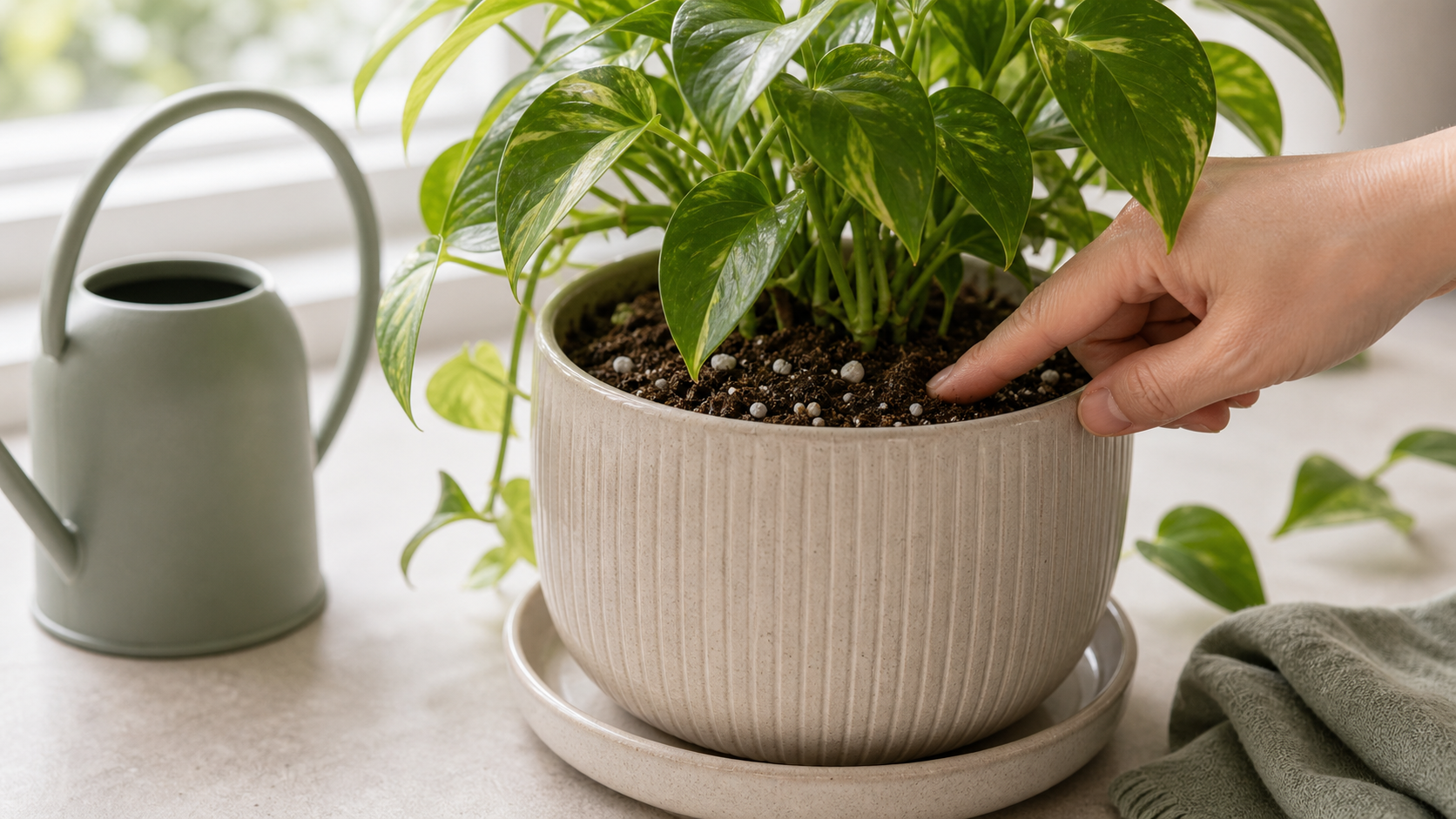
- Faster soil drying speed. Using your finger or a moisture meter, if you notice that the same plants now need watering at least one day sooner than in winter, it means the plants are actively drawing water from the soil.
First Steps: Start With Small Increases, Not a Single Leap
Once awakening signals are confirmed, the first adjustment should follow the "increase by no more than 20%" rule. If the winter habit was watering every ten days, the first spring adjustment could be every eight days, then observe the plant's response over the next five to seven days. Here are some specific operational tips:
1. Shorten the watering interval, but don't suddenly increase the volume per session. Shortening the interval is safer than dumping more water at once because the soil dries and re-wets more quickly, giving roots more exposure to fresh air and reducing rot risk.
2. Continue watering thoroughly, but watch drainage carefully. Spring temperatures fluctuate widely—after several overcast days, a sudden warm spell is common. If the saucer under the pot collects water in a humid environment, root problems are most likely to occur. After each watering, ensure no standing water remains, or elevate the pot to improve drainage.
3. Avoid heavy watering just before a prolonged cloudy spell. Spring weather is unpredictable. If the forecast calls for three to five consecutive days of low light, water conservatively—letting the soil dry an extra day is far safer than risking rot in overly moist conditions.
What Not to Do: Three Common Spring Watering Mistakes
Mistake 1: Seeing warm weather and immediately doubling the water. Warmer air doesn't mean roots instantly recover their absorbing capacity. Fast-drying soil surface doesn't mean the entire root zone is dry. A large single watering often pools at the bottom of the pot, leaving roots submerged in wet medium for days and easily triggering root rot.
Mistake 2: Adjusting all plants simultaneously. Succulents and cacti wake up much more slowly in spring and need far less water than philodendrons, ferns, and other foliage plants. Using one watering rhythm for everything puts succulents in ongoing danger of excess moisture.
Mistake 3: Ignoring pot material and soil mix. Terra cotta pots dry faster in spring than plastic ones; peat-heavy mixes retain more water than predominantly gritty formulas. Don't mechanically apply fixed day counts—instead judge based on the specific pot's breathability and the soil's water-holding characteristics.
Monitor Feedback: Judge Success Within Two Weeks
After each watering adjustment, set a two-week observation window. Signs of success include: new leaves growing steadily, older leaves keeping healthy color, and soil drying out within three to five days. If the following appear, the increase was too fast and needs to be pulled back:
When these signals appear, stop increasing water immediately, and if needed, move the plant to a better-ventilated spot to help the soil dry faster. Root recovery takes time—don't rush to raise the watering amount again.
- New leaves start yellowing or wilting before they fully expand;
- Leaf tips show water-soaked brown spots—a classic sign of root damage preventing normal water uptake;
- The soil surface is dry but the middle and lower layers stay wet for more than a week; a moisture meter or wooden stick probe will reveal this.
Next Step: Build a Spring Dynamic Watering Framework
Spring is not a one-time adjustment season; it's a dynamic adaptation process. A recommended approach: designate one fixed day each week to check soil moisture across all plants, and keep a simple log of watering dates and volumes. As light continues strengthening, gradually move the watering frequency from the winter level up toward the summer level—this process typically takes four to six weeks. The log doesn't need to be complex; a simple spreadsheet or phone note works. The key is building data so future seasonal adjustments have a real basis.
The core principle of spring watering is not "more" or "less" but "gradually matching water to the plant's actual state, providing moisture only when light and growth truly pull demand." This is what keeps plants safely transitioning and avoids spring seasonal shock.