
Overview
Building a Reliable Indoor Green Space from Scratch
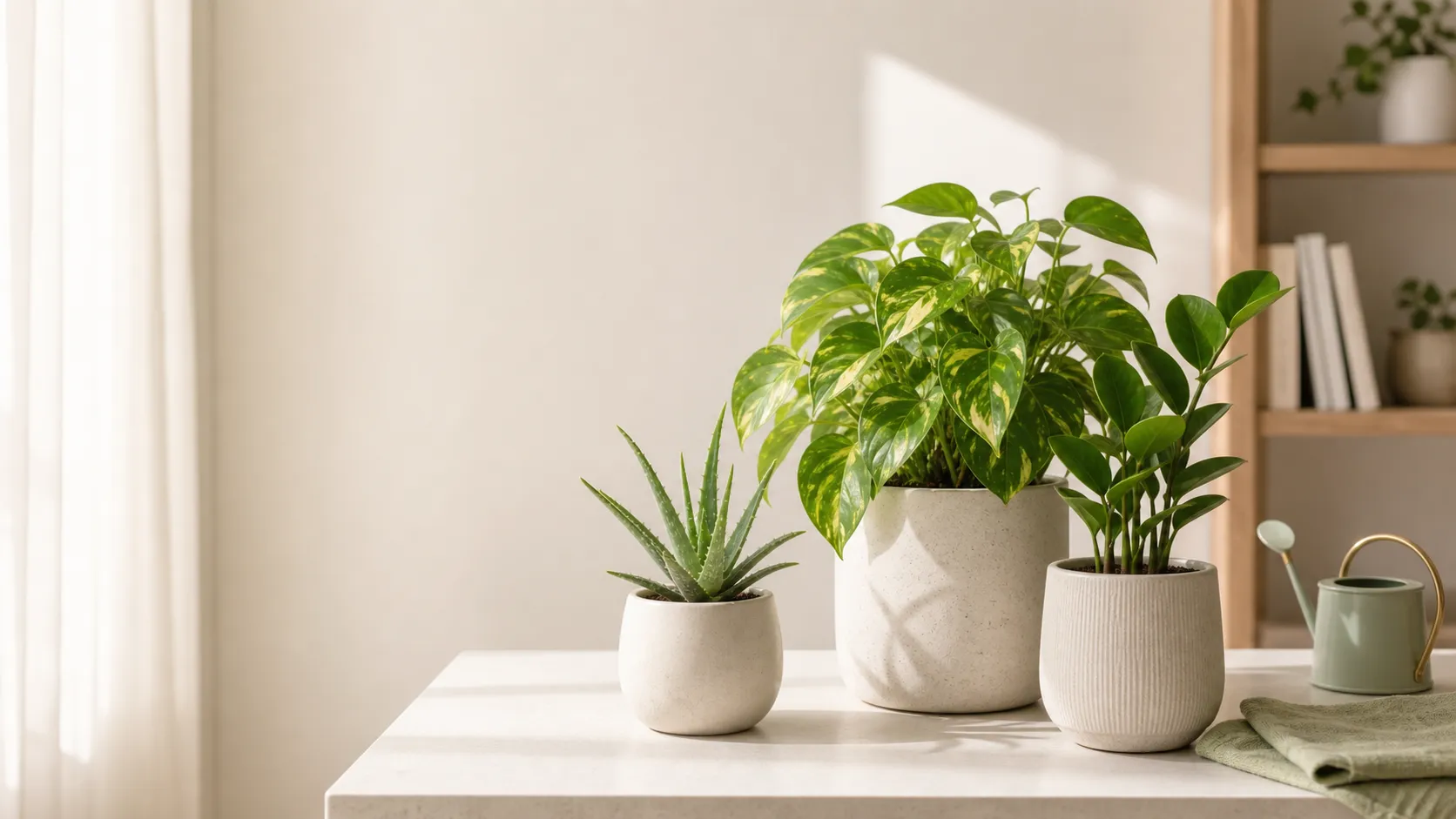
This article provides a comprehensive guide for plant enthusiasts living in small apartments to set up a reliable plant station. We delve into evaluating and utilizing limited light conditions, selecting plant varieties suitable for compact spaces, ensuring proper drainage systems, and protecting floors from moisture damage. Additionally, the article introduces a simple weekly check routine to help beginner gardeners establish consistent care habits. By understanding the basic needs of plants and following these practical recommendations, you can successfully maintain one or two healthy indoor plants even in the most constrained living environments.
Why Your Apartment Plant Station Needs Dedicated Planning
Many first-time plant owners make a common mistake: casually placing a plant on the windowsill and expecting it to thrive on its own. However, indoor environments differ significantly from outdoor ones, and haphazard placement often leads to leggy growth, yellowing leaves, or even plant death. In small apartments, every position has subtle variations in light, temperature, and humidity. Taking time to plan your plant station before moving in is far more effective than repeatedly relocating plants later.
Light: Finding the Most Reliable Light Source
The first step is observing how light changes throughout your apartment at different times. Morning or afternoon indirect sunlight is gentler than noon direct light, making it suitable for most foliage plants. If you only have north-facing windows, don't be discouraged—shade-tolerant species like pothos, monstera, and snake plants can still thrive under filtered light.
Practical advice: place plants that need the most light within 1 meter of the window, moderately light-needy varieties 1-2 meters away, and fully shade-tolerant plants in room depths or on high shelves. Start with one shade-tolerant plant and observe whether it shows obvious leggy growth or new leaf development within two weeks. If it struggles, consider supplementing with artificial lighting.
Drainage: The Core Element Preventing Root Rot
Inadequate drainage is the leading cause of plant failure in small spaces. When selecting pots, ensure they have drainage holes, and size the pot to about one-third to one-half the plant's canopy width. Oversized pots cause the soil surface to dry while the interior stays waterlogged. Add a layer of clay pebbles or broken pottery shards at the bottom to accelerate water drainage and prevent fungus gnats from breeding.
The watering principle is "soak and dry": wait until the top 2 centimeters of soil are completely dry before watering. Water until a small amount flows out from the bottom. Empty any accumulated water in saucers after 2 hours to prevent roots from sitting in water. For beginners, using transparent plastic pots with decorative ceramic outer pots allows you to monitor soil moisture without frequent repositioning.
Floor Protection: Balancing Floor Care and Plant Health
Small apartment wooden or laminate floors are particularly vulnerable to water stains, and regular watering can cause floors to warp or discolor. The simplest solution is using glazed ceramic trays or silicone waterproof mats, extending at least 5 centimeters beyond the saucer. If pots are lightweight, adding a layer of fine sand in the tray increases stability.
Another method is the double-pot strategy: plant in a plastic pot with drainage holes, then place the entire plastic pot inside a watertight container lined with clay pebbles and a small amount of water. This creates localized humidity while completely isolating moisture from the floor. Ensure the water on the clay pebbles doesn't reach the bottom of the inner pot to prevent capillary action from over-wetting roots.
Weekly Check Routine: Building Consistent Observation Habits
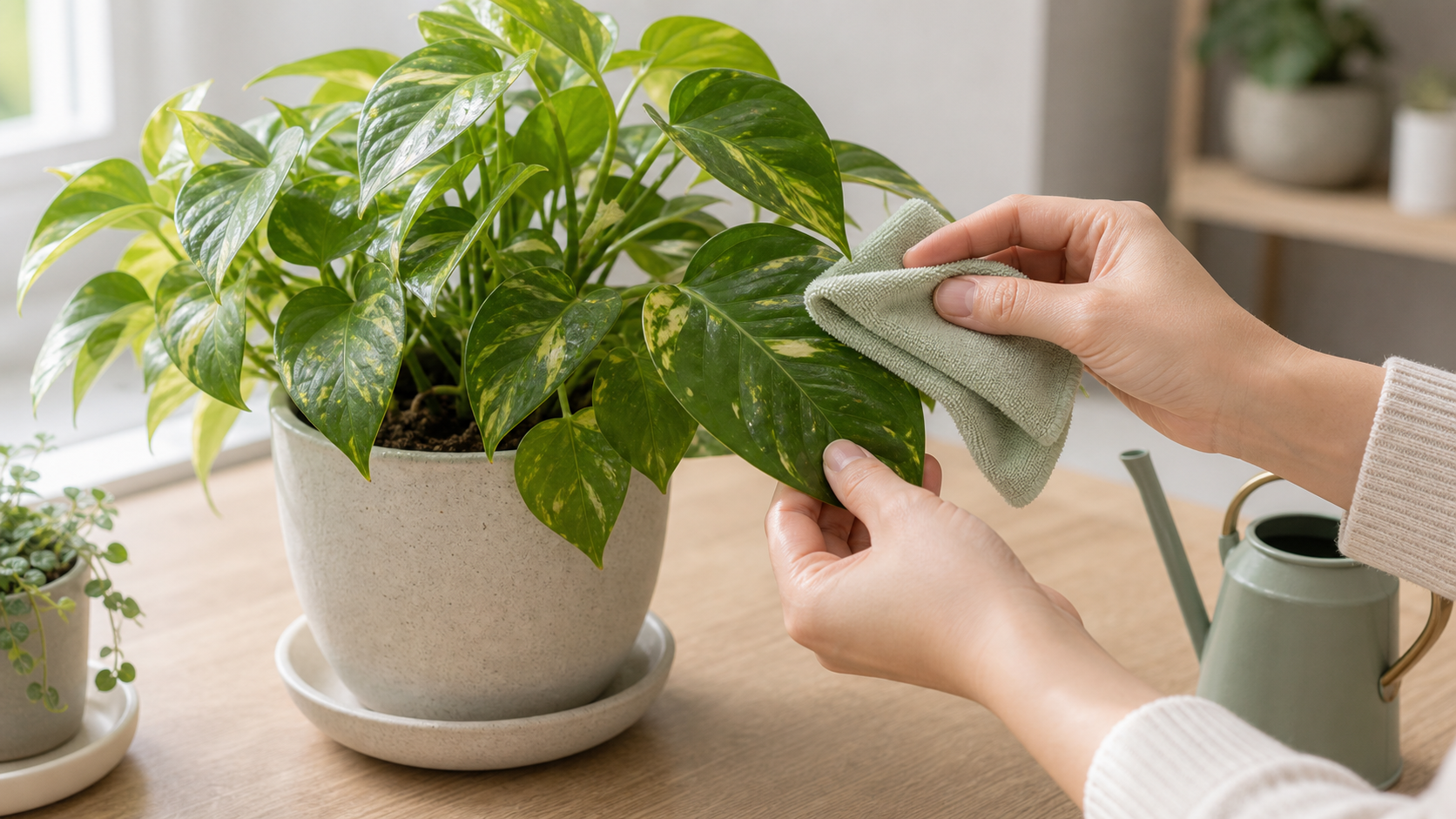
Rather than watching your plants every day, establish a fixed weekly check routine. Choose one day each week (like weekends) to spend ten minutes completing these checks: first, observe new leaf growth—healthy plants should continuously produce fresh leaves or buds; second, inspect older leaves for browning edges, yellowing, or spots, which are often early signals of watering or light issues; third, use your finger to probe soil moisture and determine if watering is needed; finally, gently rotate the plant 45 degrees to ensure even light exposure and prevent lopsided growth.
Things to avoid: don't water immediately when plants look "droopy"—this is often a sign of unhealthy roots, so first check soil moisture and root condition; don't frequently move pots—plants need time to adapt to fixed light angles; don't add extra water during winter or rainy periods—evaporation in small spaces is significantly lower than outdoors.
Starting with One Plant and Expanding Gradually
For your first attempt, purchase only one beginner-friendly plant, such as pothos or spider plant. These are affordable, low-maintenance, and easy to propagate, making them ideal for practice. Wait until this plant has stable growth for over two months before considering adding a second one. Build up gradually—each successful plant gives you confidence and experience for the next.
Remember, the scale of your plant station doesn't matter—what matters is establishing a reliable care routine and observation habits. When you can accurately determine when a plant needs water, light, or ventilation, you are already a qualified indoor gardener.