
Overview
A Guide to Syncing Light, Airflow, and Watering
As seasons change, indoor light, airflow, and humidity fluctuate, directly impacting plant growth rhythms. This article guides readers through observing environmental cues, gradually repositioning plants for optimal light, fine‑tuning ventilation, and timing watering to enable smooth transitions across spring, summer, autumn, and winter, preventing stress from abrupt shifts.
First Signals: Observing the Environment
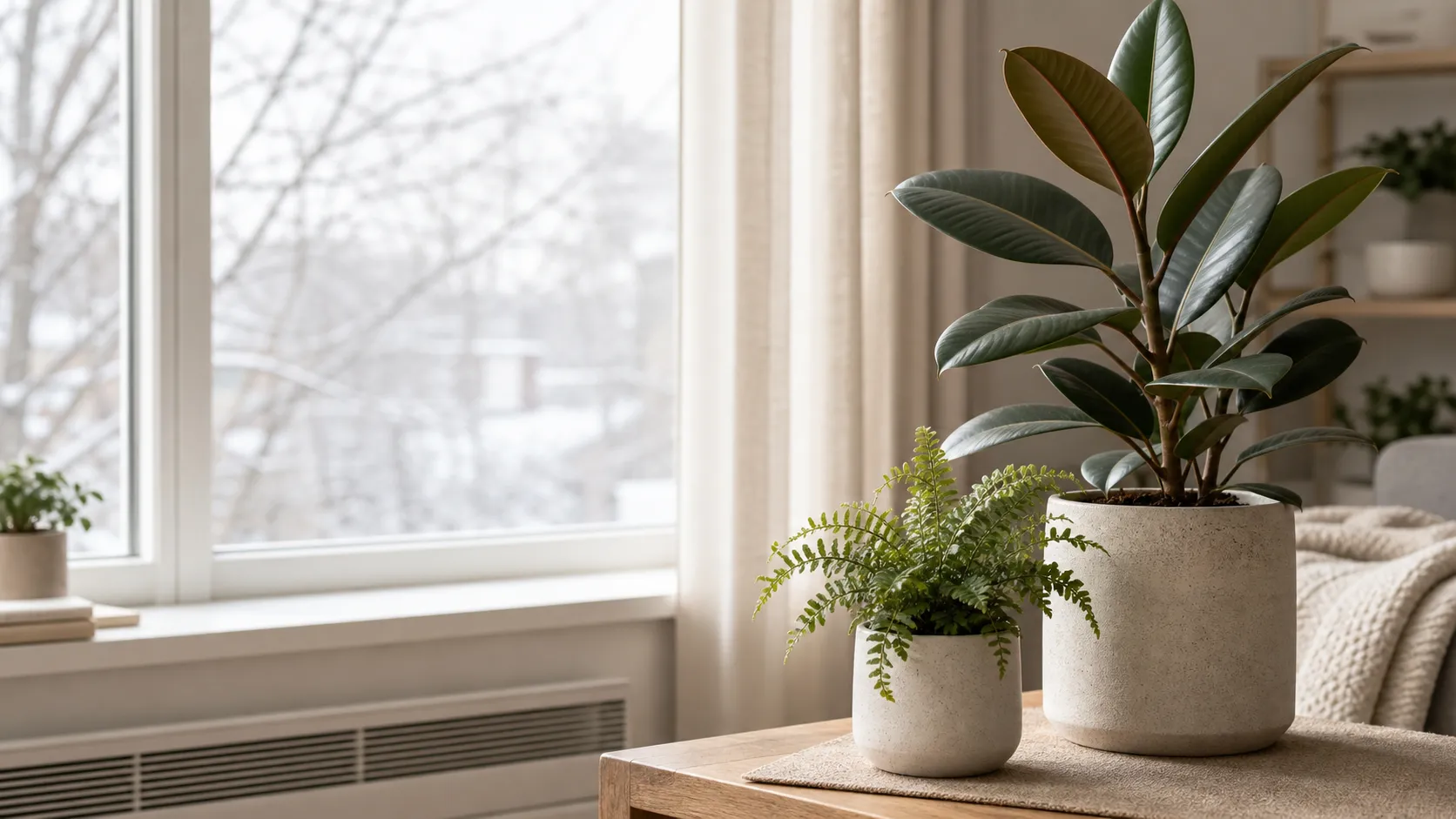
When seasons shift, start by watching subtle indoor changes. In spring, daylight hours lengthen, and window light becomes more direct; in summer, intensity peaks and shaded corners may heat up; autumn brings weaker light and cooler temperatures with fluctuating humidity; winter offers the least natural light and, with heating on, air often becomes dry. By logging daily light duration, temperature, and relative humidity, you create a baseline for subsequent adjustments.
Gradual Light Repositioning
Plants’ light needs change with the season; abrupt shifts can cause leaf burn or leggy growth. Move sun‑loving plants in steps of no more than 10‑15 cm, shifting them from lower‑light spots to areas with ample indirect light, then observe for 1‑2 weeks before deciding to move closer to the window. For shade‑tolerant species, keep them in place initially and only relocate when light further diminishes. When moving, avoid cold drafts from gaps in windows to prevent chilling damage.
Tuning Airflow
As temperatures rise in late spring and summer, indoor airflow needs increase. Open windows or use a fan to let air circulate, but avoid exposing plants to strong or cold drafts. For succulents and drought‑tolerant varieties, reduce watering frequency and let ventilation lower soil moisture risk. In autumn, when temperatures drop, shorten ventilation periods— especially at night to prevent cold air entry. During winter, ventilate briefly on milder midday hours to avoid prolonged cold drafts.
Synchronizing Watering Rhythm with Seasons
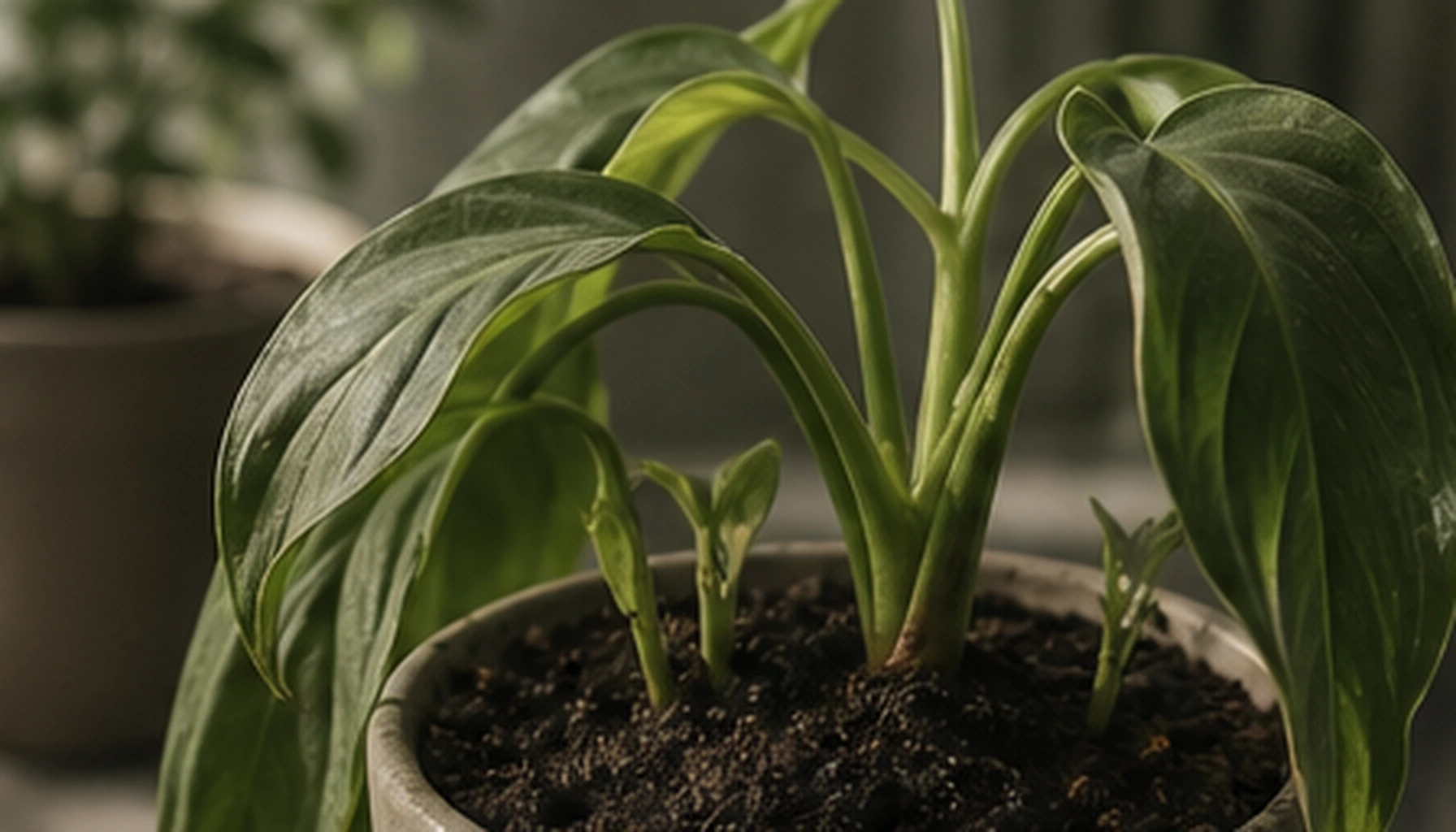
Temperature and light dictate soil evaporation rates. In spring and summer, strong light speeds evaporation, so increase watering frequency while ensuring good drainage to prevent root rot. As autumn cools, plant transpiration slows; extend intervals between waterings. In winter, most indoor plants enter dormancy or semi‑dormancy, so drastically cut water amounts, keeping soil slightly moist. Watch for wilting or dry leaf tips, and adjust promptly.
Common Pitfalls to Avoid
- Never move a plant from deep shade to full sun in one step; sudden intensity can scorch leaves.
- Avoid shutting all ventilation during hot periods, as high humidity can trigger fungal issues.
- Do not water with icy water in winter, as it can shock roots.
- Refrain from frequently shifting positions; repeated relocation adds stress.
Monitoring and Further Adjustments
After each adjustment, observe plant responses: leaf color, new growth, wilting, or spots. If you notice stagnation or abnormal foliage, pause further movement, revert to the previous position, and continue monitoring. Seasonal adjustments are cyclical; logging each move’s timing, light exposure, watering, and ventilation helps you quickly establish optimal care routines for the next transition.