
Overview
Balancing Temperature, Humidity, and Watering for a Thriving Snake Plant Through the Winter
This article offers snake plant enthusiasts a detailed, step‑by‑step approach to preventing cold‑window stress and overwatering caused by dry indoor heating, covering placement, insulation, moisture monitoring, and humidity adjustments to keep Dracaena trifasciata healthy through the winter months.
1. Understanding the Snake Plant’s Cold Tolerance
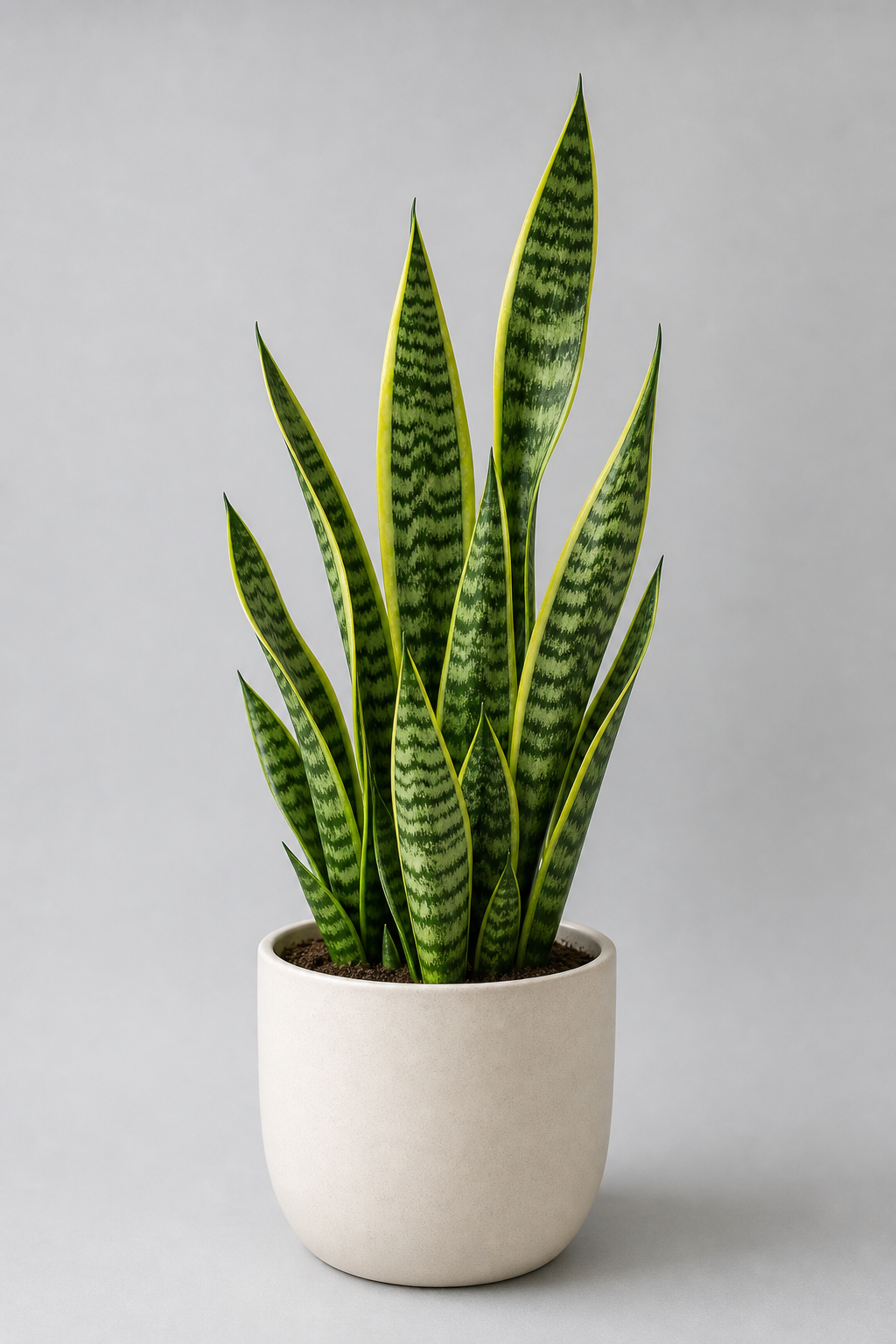
The snake plant (scientific name Dracaena trifasciata) originates from tropical Africa, thriving best at temperatures between 18‑30°C (64‑86°F). When nighttime temperatures drop below 10°C (50°F), leaf tissue can develop water‑soaked spots or become limp; prolonged exposure to 5°C (41°F) or lower can even freeze the root system. In the United States, most heating systems keep indoor air warm, yet drafts near windows, especially single‑pane glass, can expose the plant to chilling spikes that compromise health.
2. Key Measures to Prevent Cold Window Damage
2.1 Repositioning the Plant
2.2 Monitor Ambient Temperature
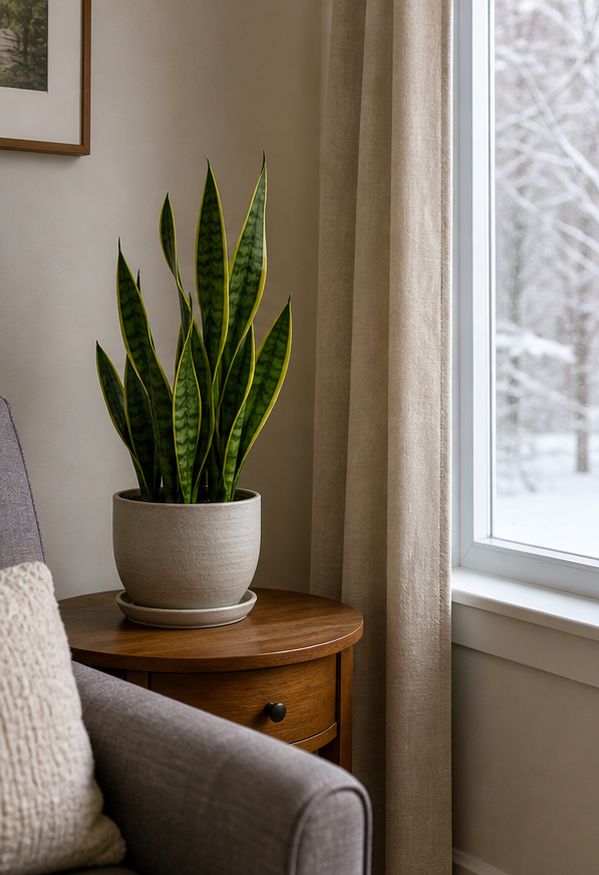
- Keep a Safe Distance from Drafts: Place the plant at least 30‑50 cm (12‑20 in) away from heating vents, radiators, or baseboard heaters that can cause rapid temperature swings.
- Use Insulating Curtains: At night or during polar‑type cold snaps, draw lightweight, double‑layer thermal curtains to reduce cold radiation from the window glass.
- Add an Insulating Pad: Set a cork or foam insulating pad under the pot to prevent cold air from seeping up through the floor and chilling the root zone.
- Employ a Digital Thermometer: Position a max‑min thermometer on the windowsill to track temperature fluctuations throughout the day.
- Set Alerts: If the temperature falls below 12°C (54°F), move the plant to a warmer location or turn on supplemental heating.
3. The Relationship Between Dry Indoor Air and Winter Watering
3.1 How Dry Heating Affects Watering Decisions
Central heating often reduces indoor relative humidity to 20‑30%, accelerating surface soil evaporation. This can trick owners into thinking the soil is dry and ready for water, while the snake plant’s succulent roots actually absorb water slowly in cooler conditions. Overwatering in winter is the primary driver of root rot (root rot), a common problem for Dracaena trifasciata.
3.2 Scientific Timing for Watering
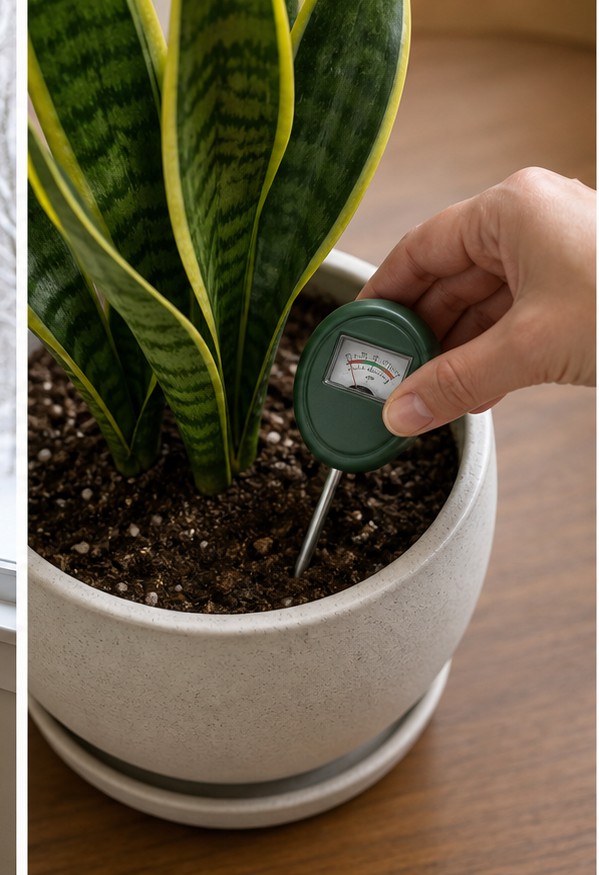
1. Finger Test: Insert a finger 2‑3 cm (0.8‑1.2 in) into the soil; if it feels dry, water. If moisture lingers, wait another 3‑5 days. 2. Pot Weight Method: Lift the pot to gauge its weight; a noticeable decrease signals that most moisture has evaporated. 3. Soil Moisture Meter: Aim for readings below 30‑40% before adding water.
3.3 Reduce Volume and Frequency
- Water Quantity: Provide enough water to saturate the root ball, allowing a small amount to exit the drainage holes, but never let the pot sit in standing water.
- Frequency: In rooms maintained at 15‑20°C (59‑68°F), a watering interval of every 2‑3 weeks is usually sufficient. In cooler spaces around 10‑12°C (50‑54°F), extend the interval to once a month.
- Water Temperature: Use room‑temperature water (≈20‑22°C / 68‑72°F) to avoid shocking the roots.
4. Supporting Practices to Prevent Root Rot
- Choose Well‑Draining Mix: A blend of peat, perlite, and coarse sand in a 2:1:1 ratio works well, or purchase a commercial cactus/succulent mix.
- Select a Terra Cotta Pot: The porous walls of terracotta promote faster soil drying and reduce the risk of waterlogging.
- Inspect Roots Periodically: Every two months, gently lift the plant to examine roots; healthy roots appear white and firm, while brown, mushy roots need trimming and repotting in fresh medium.
5. Adjusting Indoor Humidity
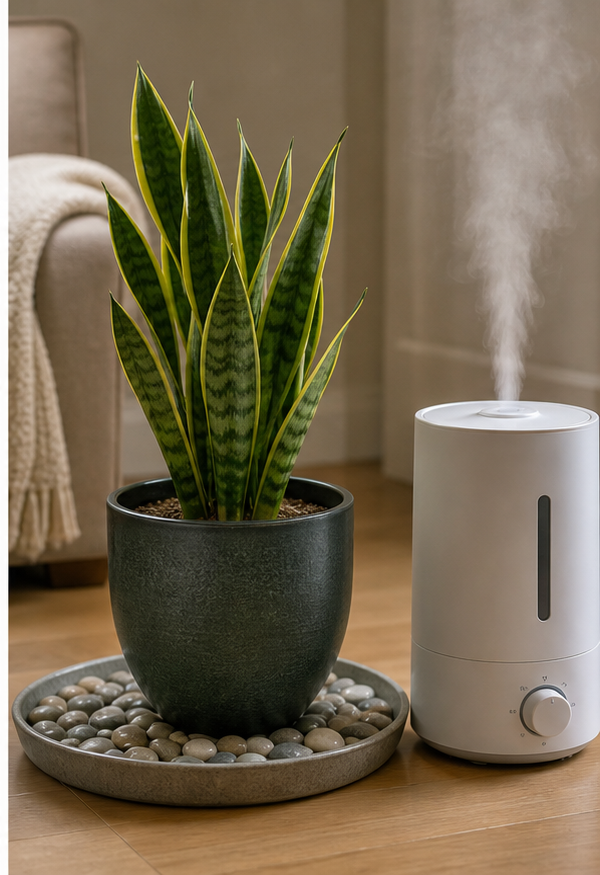
- Pebble Tray: Place a shallow tray filled with pebbles and water beneath the pot; evaporation raises local humidity by roughly 5‑10%.
- Light Misting: On clear mornings, mist the foliage lightly with a fine‑spray bottle, avoiding pooling water in the leaf rosette to deter fungal growth.
- Humidifier Use: If relative humidity consistently falls below 30%, consider a small ultrasonic humidifier to keep levels around 40‑50% – the sweet spot for most houseplants.
6. Quick Troubleshooting Table
| Issue | Likely Cause | Remedy | |-------|--------------|--------| | Yellowing, mushy leaves | Overwatering or frozen roots | Stop watering, inspect roots, replace soil if rot is present | | Brown leaf tips | Cold stress or high fluoride in water | Check temperature, switch to filtered or rainwater | | Soil stays soggy after watering | Poor drainage or watering too often | Improve drainage with perlite, reduce watering frequency |
7. Summary of Best Practices
By applying these targeted strategies, snake plants can survive and even thrive through the cold, dry winter conditions typical of U.S. homes, preserving their striking, upright foliage while avoiding the twin threats of cold‑window stress and overwatering.
- Insulation: Keep the plant away from cold windows, use thermal curtains and insulating pads, and maintain ambient temperature above 12°C (54°F).
- Watering Discipline: Follow the "dry before you water" rule, using finger tests, weight checks, or moisture meters to determine when to water.
- Humidity Management: Boost humidity with pebble trays or a humidifier, aiming for 40‑50% relative humidity.
- Disease Prevention: Use fast‑draining soil, terracotta pots, and regular root inspections to catch early signs of rot.