

Overview
When Powdery Growth Appears on Leaves—Distinguishing True Mildew, Why Airflow Matters, and Practical Strategies to Prevent Recurrence
Powdery mildew is a common fungal disease in indoor plants that can spread rapidly in warm, dry environments if not promptly identified and managed. This article helps you distinguish true powdery mildew from other leaf conditions, explains why proper airflow is critical for prevention, and provides comprehensive management strategies to keep the disease from recurring.
Observe the Leaves: Correctly Identifying Powdery Mildew
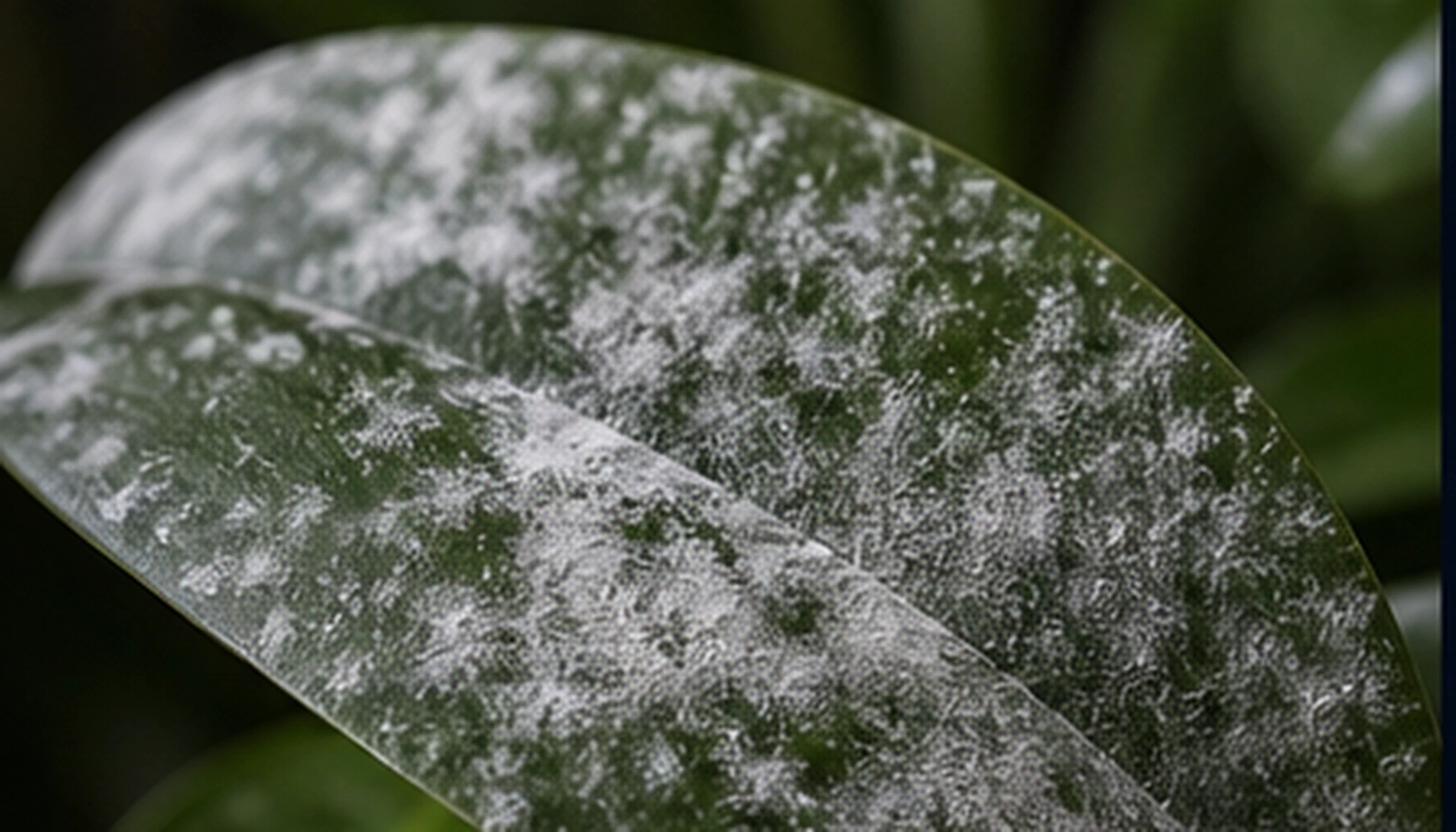
When you notice white or grayish-white powdery substances on your plant leaves, the first step is careful observation to confirm whether this is truly powdery mildew. Powdery mildew typically appears as evenly distributed powdery spots on the upper leaf surface, which gradually expand and spread to stems and young shoots. Distinguish this from dust accumulation (which can be wiped away with a damp cloth), water scale residue (usually at leaf edges), or fertilizer crystals (spotty rather than patchy distribution). True powdery mildew spots in early stages will transfer some powder when touched lightly; in later stages, they form contiguous white fungal layers, and the underlying leaf tissue will show slight yellowing when the layer is scraped off.
Initial Response: Act Immediately Upon Discovery
Once confirmed, immediately remove infected leaves and bag them for disposal to prevent spore dispersal. Disinfect cutting tools before and after use. For mild infections, gently wipe affected areas with a soft cloth dampened with diluted white vinegar (1:3 ratio with water) or baking soda solution (5 grams dissolved in 1 liter of water with a few drops of dish soap). Repeat every two to three days and monitor for two weeks. If the infection covers a large area or wiping proves ineffective, consider using sulfur-based or copper-based fungicides, but always apply in well-ventilated spaces and avoid placing plants in enclosed areas with human activity for several days afterward.
Airflow Management: The Core of Prevention
Powdery mildew fungi (order Erysiphales) thrive readily in warm, stagnant indoor conditions. Proper airflow disrupts the microenvironment where fungal spores attach, germinate, and spread. Maintain at least 15 to 20 centimeters of distance between plants and walls or other objects, avoiding tight clustering. For already-affected plants, relocate them to positions with relatively better air circulation, but avoid air conditioning drafts or extremely dry areas near heating vents. Ceiling fans, air purifiers, or regularly scheduled ventilation fans can effectively improve overall air circulation quality. If natural ventilation is limited, opening windows for 10 to 15 minutes several times daily is more effective for controlling humidity and preventing air stagnation than prolonged closure.
Humidity Balance: An Often-Neglected Factor
Powdery mildew is most active in moderately dry environments with humidity around 40% to 60%, which overlaps with the preferred humidity range of many indoor plants. Therefore, simply increasing humidity is not the correct approach. Instead, control leaf wetness duration by adjusting watering methods and improving ventilation. Avoid evening watering, ensuring leaves dry before nightfall. Water directly into soil rather than spraying from above. Empty saucers of accumulated water promptly to reduce localized high humidity from surface evaporation while also preventing root rot.
Preventing Recurrence: Building Long-Term Protection
Powdery mildew spores can overwinter on soil surfaces, fallen leaves, and gardening tools. After completely curing an infection, sustained preventive measures are essential to avoid recurrence. Monthly preventive spraying (using one-tenth concentration of the baking soda solution mentioned above) can serve as protection. For high-risk plant types such as succulents, trailing vines, and herbs, regularly rotate placement positions, preventing any single plant from remaining in the same airflow dead zone for extended periods. Clear away dead leaves and debris promptly; the pot surface can be covered with clean gravel or river sand as a physical barrier against spore germination. Develop the habit of checking leaf undersides during routine observation, as early powdery mildew often first appears on leaf undersides.
What Not to Do: Practices to Avoid
Do not immediately spray large amounts of water over the entire plant after discovering powdery mildew—this seemingly rinses the infection but actually creates conditions for spore dispersal. Do not apply high-nitrogen fertilizers during infection, as excess nitrogen promotes rapid growth of tender new leaves, which are particularly susceptible to powdery mildew fungi. Do not place infected plants next to healthy ones—maintain at least 30 centimeters of separation. Do not use industrial fungicides with unknown ingredients or undiluted formulations, as these may cause leaf burn or degrade indoor air quality.
Monitoring Results: Judging Treatment Effectiveness
After initiating treatment, the white powdery layer should stop expanding within three to five days. If not completely removed, existing layers will gradually turn light gray and dry and curl. When new leaves emerge without powdery substances on their surface, the condition has been controlled. Maintain good airflow and moderately dry conditions for at least one more month, and only consider the infection fully resolved after confirming no new disease spots appear. If new spots still appear after two weeks, consider switching to a stronger fungicide or relocating the plant to a completely different environment for renewed care.