
Overview
A Complete Strategy for Safe Placement, Cleanup Habits, and Observation Routines
Indoor plants create cozy spaces, but many common varieties are toxic to cats and dogs. This guide offers practical methods for safe plant placement, cleaning fallen debris, and monitoring pet behavior to help pet owners balance greenery with animal safety.
Understanding the Risk: Why Pets Are Vulnerable to Plant Toxins
Cats and dogs are naturally curious, often sniffing and chewing on plants. Indoors, pets encounter plants far more frequently than outdoors, significantly increasing the risk of accidental ingestion. Many common household foliage plants—such as pothos, monstera, and diffenbachia—contain calcium oxalate crystals or saponins that can cause oral irritation, vomiting, diarrhea, and in severe cases, life-threatening conditions. When adopting new pets or moving into a new home, systematically assessing plant safety becomes essential.
Step One: Identify and Categorize Household Plants
Begin by inspecting every plant in your home and consulting reliable sources (such as veterinary plant databases) to confirm each plant's toxicity level. Classify plants into three categories: non-toxic and safe, mildly irritating, and toxic/dangerous. Plants in the toxic category should be considered for rehoming or gifting to households without pets. Common toxic plants include: peace lilies, snake plants, aloe vera, hydrangeas, azaleas, and poinsettias. If you're reluctant to discard them, consider placing them in a fully enclosed balcony or a room your pets absolutely cannot access.
Safe Placement: Principles for Choosing Locations
The core principle of safe placement is "physical isolation." Height alone isn't sufficient—cats have exceptional jumping abilities and can reach plants on shelves. Prioritize these locations: hanging baskets elevated at least 180 centimeters from the floor, plant cabinets with secure locks, or completely enclosed glass display cases. Avoid placing plants in living room corners, bedroom windowsills, or other areas where pets frequently roam. For multi-pet households, consider the size and jumping capability of all animals, using the maximum as your safety height reference.
Cleanup Habits: Blocking the Contact Pathway
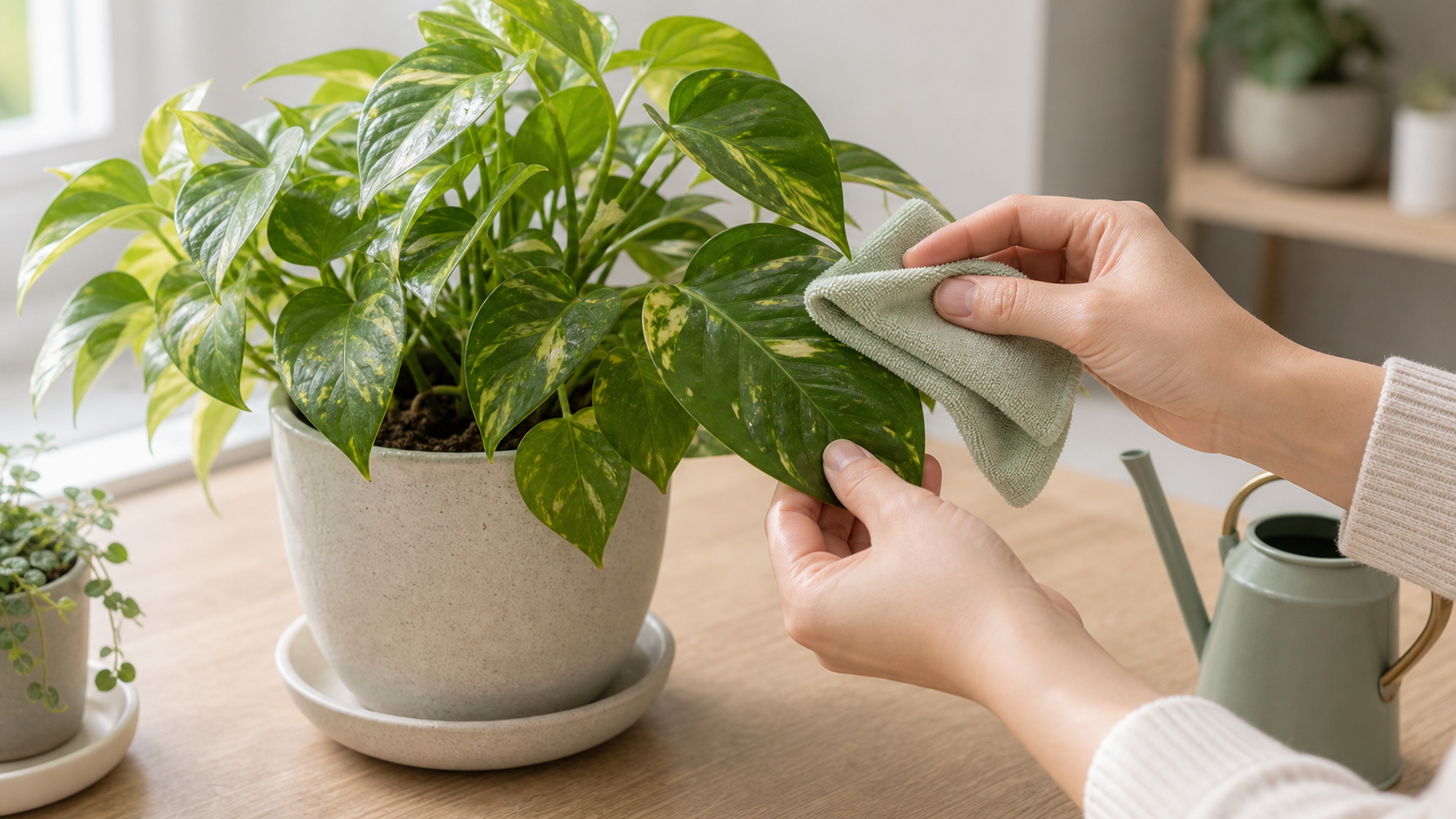
Danger from toxic plants doesn't only come from direct chewing—fallen leaves, wilted flowers, and dead stems are equally hazardous. Daily cleaning routines should include: picking up visible fallen leaves and debris with paper towels or gloves; regularly wiping dust from leaf surfaces while preventing pets from contacting wet leaves afterward; and promptly sealing old soil when repotting. Cats especially love digging in potting soil. Cover the soil surface with decorative pebbles (at least 2 centimeters in diameter), which both beautifies the pot and physically prevents digging. Check plant health monthly and promptly trim yellowing leaves to reduce pet interest.
Observation Routine: Recognizing Early Warning Signs
Establish a daily observation routine, checking your pet's condition during feeding or playtime. Early signs of mild toxicity include: excessive drooling, frequent lip licking, mild vomiting or retching, and signs of oral discomfort (such as pawing at the mouth). Moderate to severe symptoms include: persistent vomiting or diarrhea, difficulty breathing, lethargy, muscle tremors, and collapse. These symptoms may appear 30 minutes to several hours after exposure. If you notice anything unusual, photograph the plant immediately, note the approximate time of contact, and contact your veterinarian or a pet poison helpline right away. Do not attempt to induce vomiting unless explicitly instructed by a professional veterinarian.
Preventive Training and Positive Reinforcement
Beyond physical barriers, behavioral management through training establishes safe pet habits. When you catch your pet approaching a plant, use a gentle but firm "no," then redirect them to a cat tree or dog toy. Prepare dedicated "chewable plants" like cat grass (wheat grass) or pet-safe succulent combinations to divert attention. Use pet-friendly citrus sprays around plant areas—these odors deter without harming plants. Consistent positive reinforcement works better than punishment—reward your pet with treats when they voluntarily stay away from plants, reinforcing correct behavior.
Emergency Preparedness: Planning Ahead
Even with excellent precautions, emergency preparedness is crucial. Save contact information for 2-3 local 24-hour emergency veterinary hospitals on your phone; bookmark veterinary emergency poison control hotlines; and keep pet-specific probiotics at home (for supportive care during mild digestive upset, not as a treatment substitute). Know the route to your nearest emergency vet hospital and practice an emergency visit once. Maintain a plant list (with plant names, potential toxins, and recommended responses) that can be quickly provided to veterinarians for reference. Get into the habit of saving this list in your phone's notes or printing it to post on your refrigerator.
Advanced Options: Creating a Truly Pet-Friendly Plant Space
The most fundamental way to reduce risk is proactively choosing safe plants. Pet-safe options include: spider plants (Chlorophytum comosum), African violets (Saintpaulia), most succulents (like jade plants, haworthia), cat grass varieties (wheat grass, barley grass, oat grass), most orchids, and herbs like basil and mint. These plants won't cause serious harm even if chewed in small amounts. If you want a plant corner where pets can freely explore, dedicate this area exclusively to these safe varieties—satisfying your gardening hobby without compromising pet safety. Before introducing any new plant, keep it in an inaccessible area for 2-3 weeks to confirm your pet shows no excessive interest before adjusting its placement.