
Overview
Indoor Plant Care for Southeast Asian Households
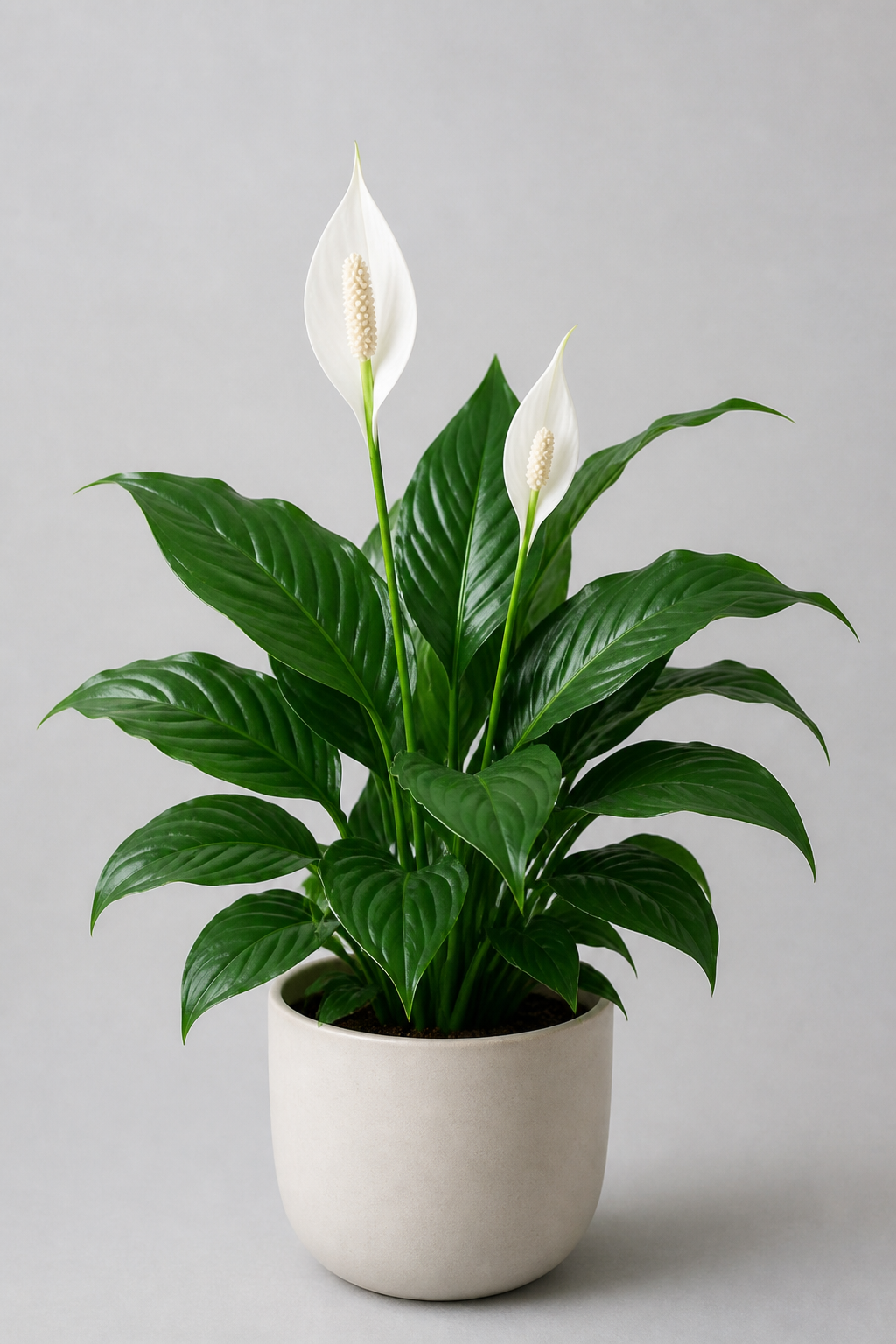
Peace lilies are popular indoor plants that thrive in humid conditions, but homes in Southeast Asia's warm and humid climate with limited airflow present unique challenges. This article provides practical strategies for healthy peace lily cultivation in tropical environments, addressing fungal risks, watering adjustments, and pest prevention.
Understanding the Southeast Asian Home Environment Challenge
Southeast Asia's warm and humid climate creates indoor environments with persistent moisture and often poor air circulation. These conditions present both advantages and challenges for Peace lilies (Spathiphyllum). Native to tropical rainforest understories, Peace lilies naturally prefer humid conditions, but excessive moisture combined with inadequate airflow can lead to various cultivation issues.
Impact of Low Airflow on Peace Lilies
1. Impaired Leaf Transpiration
When air circulation is poor, moisture on leaf surfaces cannot dissipate efficiently. This causes leaves to remain consistently wet, making them soft and dull in color. In severe cases, water-soaked lesions may develop on the foliage.
2. Increased Fungal Disease Risk
High humidity environments are breeding grounds for fungal growth. Under low airflow conditions, water on leaf surfaces and soil evaporates slowly, creating ideal conditions for diseases like gray mold and leaf spot. Once infected, Peace lily leaves develop brown or black spots that gradually expand, potentially killing entire leaves.
3. Restricted Root Respiration
Soil moisture requires air circulation to assist evaporation and root gas exchange. Poor ventilation keeps potting medium consistently wet, preventing roots from breathing properly and potentially causing root rot. Early symptoms of root rot are subtle; by the time leaves turn yellow or droop, the problem is often advanced.
Practical Solutions for Improvement
Enhancing Air Circulation
Humidity Management Techniques
Indoor humidity in Southeast Asia typically ranges from 60%-80% year-round, so additional humidification is unnecessary. Instead, manage excess moisture:
Scientific Watering Practices
In humid environments, adjust your watering frequency accordingly:
Soil and Container Selection
- Natural Ventilation: Open windows for 15-30 minutes during cooler mornings or evenings to allow fresh air circulation throughout your home.
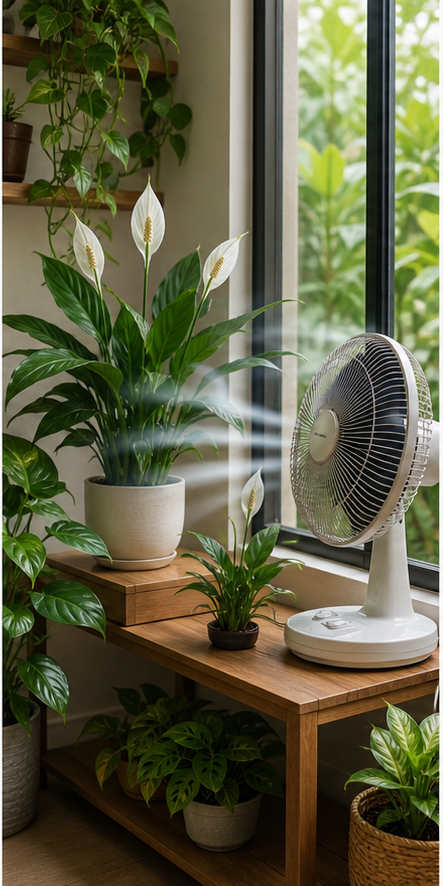
- Fan Assistance: Place a small fan near your plants (oscillating mode recommended) to maintain gentle air movement. Avoid pointing fans directly at plants to prevent leaf dehydration.
- Strategic Placement: Position Peace lilies near windows or doorways, avoiding corners or areas blocked by furniture where air doesn't circulate.
- Use Dehumidifiers: During rainy seasons or extended cloudy periods, run a dehumidifier to maintain indoor humidity around 50%-60%.
- Avoid Leaf Misting: While misting provides temporary cooling, it increases leaf surface moisture and elevates fungal infection risk in low-ventilation spaces.
- Pebble Trays with Care: Place pots on trays filled with gravel or hydroton pebbles and water (below the pebble surface). This provides ambient humidity without saturating roots.
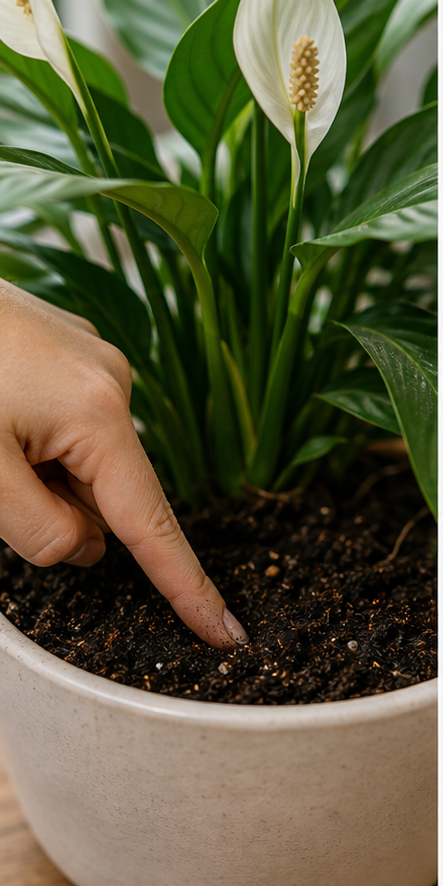
- Check Before Watering: Insert your finger 2-3 cm into soil. Water only when the top layer feels dry. Avoid fixed watering schedules.
- Water Thoroughly: When watering, saturate the soil completely until water flows from drainage holes, but never allow pots to sit in standing water.
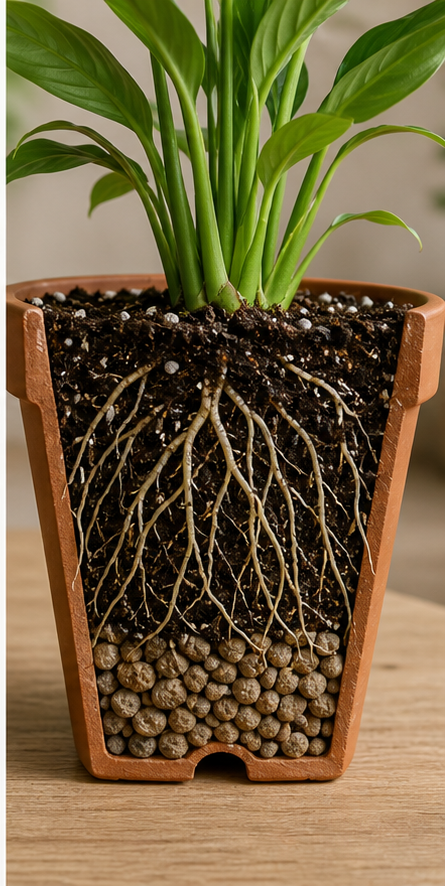
- Choose Breathable Containers: Terra cotta pots or plastic containers with multiple drainage holes are recommended. Avoid decorative pots without drainage as primary planters.
- Well-Draining Mix: Use a blend of peat moss, perlite, and coco coir (approximately 3:1:1 ratio) ensuring excellent drainage and aeration.
- Appropriate Pot Size: Select containers 5-8 cm wider than the plant's foliage spread. Oversized pots retain moisture longer than desired.
- Regular Aeration: Gently loosen the topsoil monthly with a small fork to improve air penetration and prevent compaction.
Common Problem Prevention and Treatment
Yellowing Leaves
Causes include overwatering, excessive fertilizer, or insufficient light. Response steps:
1. Check soil moisture; if wet, pause watering and improve ventilation 2. If recently fertilized, flush with clean water to dilute nutrients 3. Relocate to an area with bright indirect light, avoiding direct sun
Brown Leaf Tips
Typically caused by low humidity, concentrated fertilizer, or hard water. Treatment approach:
1. Use filtered, distilled, or rainwater for irrigation 2. Reduce fertilizer concentration; feed monthly with diluted fertilizer during growing season 3. Trim brown tips with sterilized scissors
Fungal Leaf Spot
When brown spots appear on leaves:
1. Remove affected leaves immediately using sanitized tools 2. Increase air circulation and reduce environmental humidity 3. Apply fungicide if necessary, following product dilution instructions 4. Avoid overhead watering and leaf misting
Spider Mite Monitoring and Control
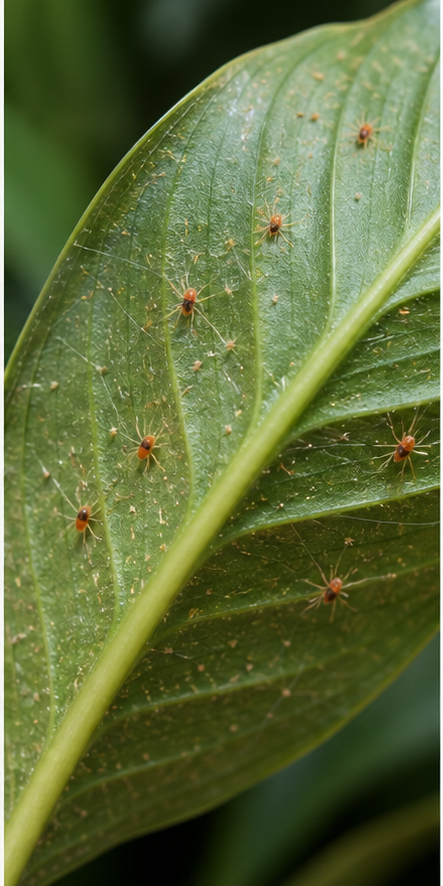
Spider mites are common pests affecting Peace lilies, particularly in dry, poorly ventilated conditions. Monitoring essentials:
Physical control methods:
- Regularly inspect leaf undersides for tiny reddish or brown mites
- Watch for small white stippling (mite feeding damage) or fine webbing
- Spider mite populations multiply rapidly; early detection is crucial
- Wipe both leaf surfaces with a damp cloth
- Shower plants with clean water to dislodge mites
- Maintain leaf cleanliness; occasional spray with diluted insecticidal soap
Seasonal Care Recommendations
Rainy Season (May-October)
Dry Season (November-April)
- Reduce watering frequency; extend intervals between waterings
- Pay extra attention to ventilation improvements
- Monitor for fungal disease development
- Consider using dehumidifiers during prolonged wet periods
- Humidity is relatively lower, but avoid over-drying
- Peace lilies are sensitive to water quality; use filtered or rainwater when possible
- This is the active growing season; light feeding with diluted fertilizer is appropriate
Environmental Placement Guidance
- Bathrooms and kitchens generate excessive moisture; avoid permanent placement in these areas
- In air-conditioned rooms, position plants away from direct AC airflow to prevent temperature stress
- Bedroom placement is suitable with adequate indirect light; Peace lilies absorb CO2 and release oxygen at night, making them excellent bedroom companions
Key Takeaways
Successfully growing Peace lilies in humid, low-airflow Southeast Asian homes depends on:
1. Proactive Ventilation: Don't rely on natural airflow; create air movement through deliberate methods 2. Watering Discipline: When in doubt, wait; prevent prolonged soil saturation 3. Prevention Focus: Conduct regular inspections for early problem detection 4. Smart Placement: Choose locations with reasonable air circulation
With these essential practices, you can successfully cultivate healthy, flourishing Peace lilies even in Southeast Asia's challenging tropical climate.