
Overview
Managing humidity challenges during Japan's cold season with heating systems
This article provides comprehensive guidance on caring for peace lilies (Spathiphyllum) during Japan's dry winter indoor conditions when heating systems significantly reduce air humidity. It covers identifying leaf-tip browning symptoms, practical humidity enhancement techniques, winter watering adjustments, spider mite prevention, and root rot management to help home gardeners maintain healthy peace lilies throughout the cold season.
Understanding Japan's Winter Indoor Environment and Peace Lily Challenges
From November through February, Japanese households rely heavily on air conditioning, oil heaters, or kotatsu heating systems, causing indoor relative humidity to drop significantly to levels around 30-40%. This dry indoor environment poses a particular challenge for peace lilies (Spathiphyllum), which are native to the understory of tropical rainforests and naturally thrive in high air humidity conditions.
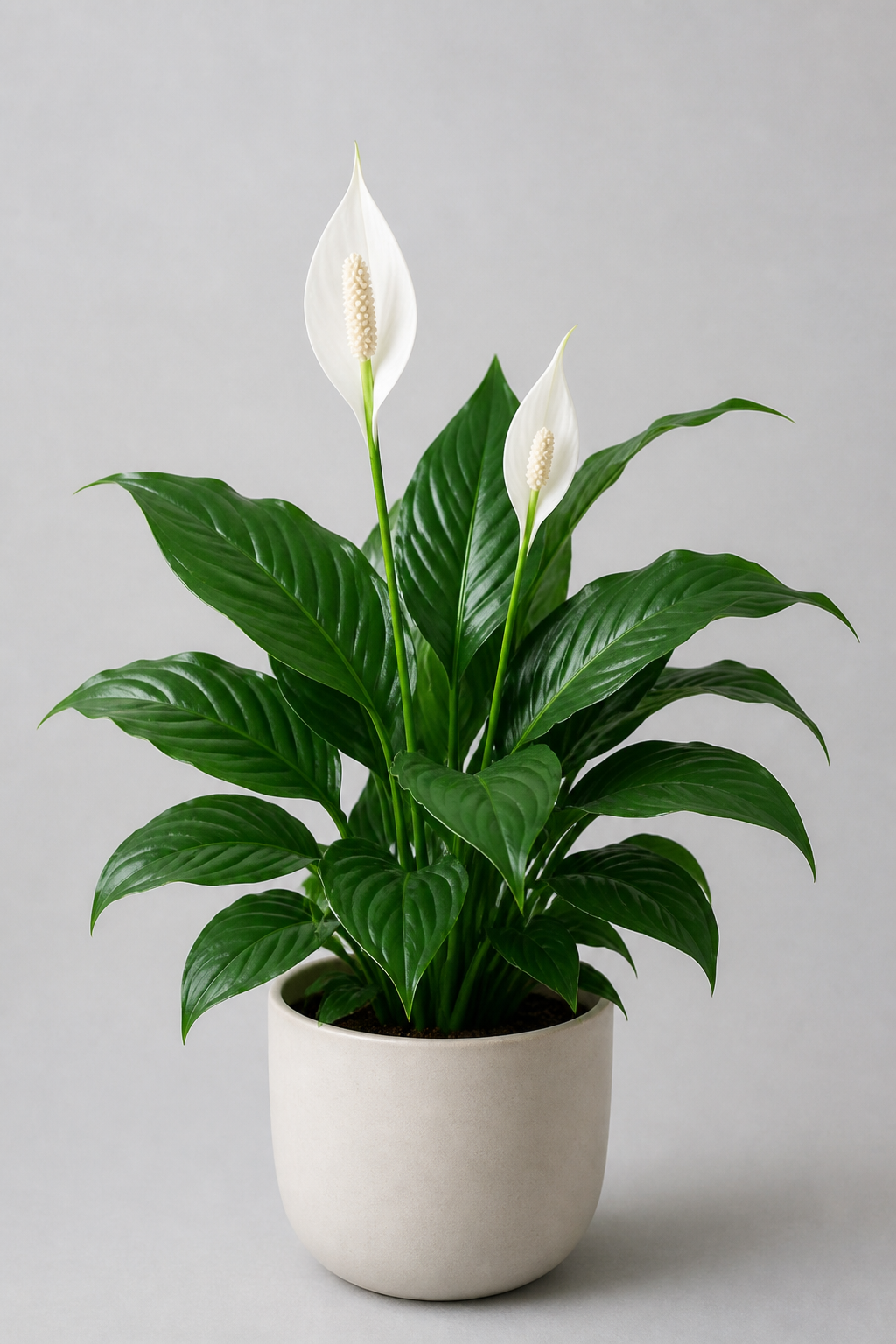
Peace lily, scientifically known as Spathiphyllum, has become one of the most popular indoor foliage plants in Japan. Its elegant leaf morphology and striking white spathe flowers make it a favorite for home decor. While classified as a beginner-friendly plant, the winter dry air period requires special attention to keep your peace lily healthy and vibrant.
---
How Dry Air Negatively Impacts Peace Lilies
Leaf Responses and Tip Browning
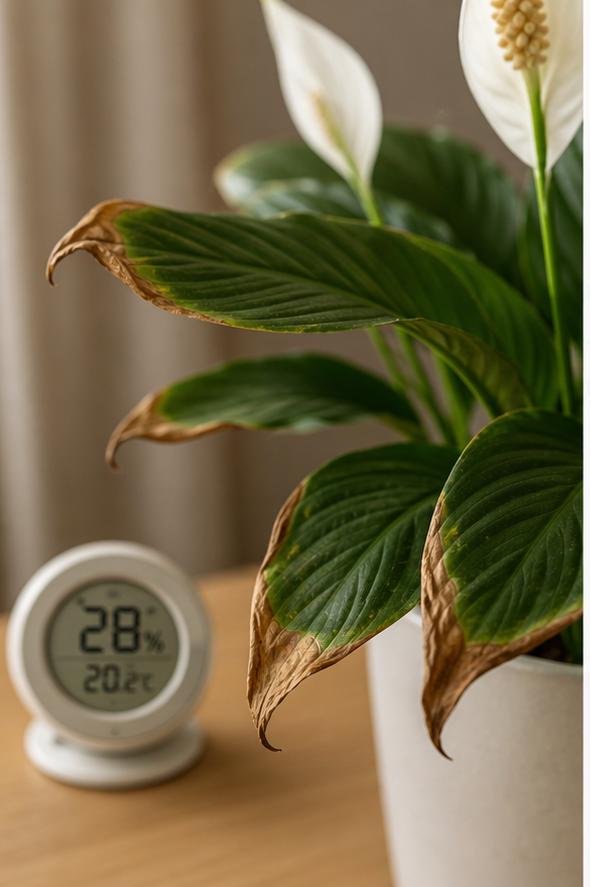
When indoor relative humidity stays consistently below 50%, peace lilies commonly exhibit leaf tip browning—a condition often referred to in Japanese plant care circles. This discoloration typically begins as a small area of browning at the leaf tip and can gradually spread along the leaf margins, significantly reducing the plant's ornamental value.
The underlying mechanism involves rapid moisture loss from leaf cells in dry conditions. When transpiration rates exceed the root's water uptake capacity, the plant conserves water by sacrificing leaf tip tissue. This phenomenon becomes particularly pronounced in heated rooms where both low humidity and elevated temperatures accelerate moisture evaporation from leaf surfaces.
Growth Slowdown and Delayed Flowering
Beyond visible leaf symptoms, dry air causes a noticeable slowdown in peace lily growth. Under insufficient humidity, the plant directs its energy toward basic metabolic maintenance rather than producing new leaves or developing flower buds. This means that peace lilies, which can potentially bloom year-round under ideal conditions, may completely cease flowering during Japan's dry winter indoor period.
---
Practical Methods to Increase Indoor Humidity
The Pebble Tray Method
The simplest and safest humidity-boosting technique involves using a pebble tray. Here's how to set it up effectively:
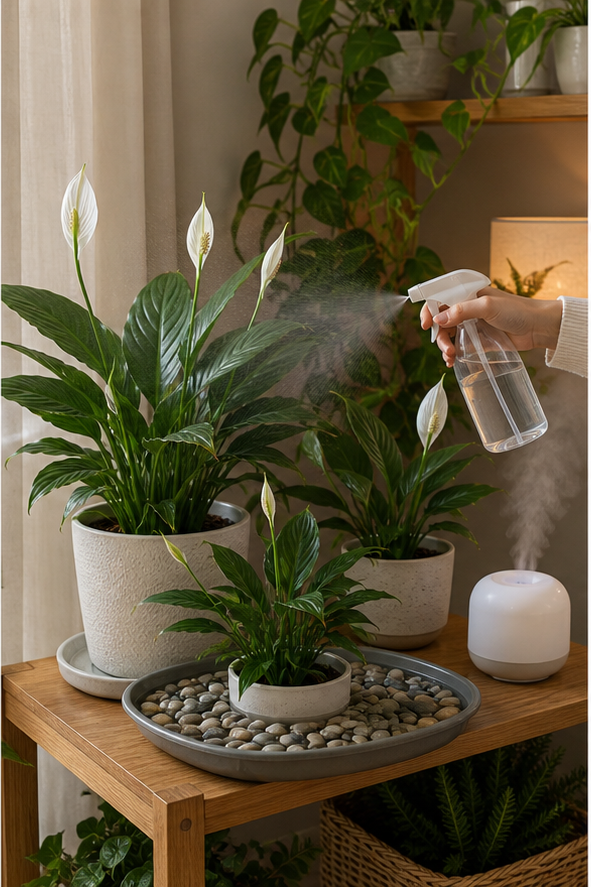
Prepare a shallow tray or dish that is wider than your plant pot's base, with a depth of approximately two centimeters. Fill the bottom with a layer of pebbles or expanded clay pellets, about one centimeter deep, then add water until the level reaches just below the top of the stones. Place your peace lily pot on top of the pebbles, ensuring the pot bottom does not make direct contact with the water.
This design creates a localized high-humidity microclimate as water slowly evaporates from the stone surfaces, increasing moisture in the immediate surroundings. In Japan's heated winter environment, check the tray water level every two to three days and replenish as needed. During particularly dry periods, daily refilling may be necessary. Clean the pebbles periodically to prevent algae buildup.
Misting Techniques
Using a fine-mist spray bottle to mist peace lily leaves is an effective way to quickly raise local humidity. However, several key points deserve attention:
First, always use room-temperature water to avoid thermal shock to the foliage. Second, the best time to mist is in the morning, allowing leaves time to absorb or evaporate moisture before nightfall, which reduces the risk of fungal diseases associated with prolonged leaf wetness. Third, apply mist lightly—the goal is to create a thin film of moisture on leaf surfaces without causing droplets to run off.
For Japan's typically dry winter apartments, misting once or twice daily is recommended, focusing on both the upper and lower leaf surfaces. If you notice water droplets running down leaves, you're applying too much spray and should reduce the amount.
Plant Grouping Benefits
Placing your peace lily near other humidity-loving plants creates a mutually beneficial microclimate through collective transpiration. Plants continuously release water vapor through their leaves, and when positioned together, they effectively create a small-scale humidification network.
Consider grouping your peace lily with plants like monstera, philodendrons, or various fern species. This arrangement not only increases visual interest through mixed plantings but also allows all plants to share the humidity benefits.
---
Adjusting Winter Watering Strategies
Avoiding Overwatering Pitfalls
Many caregivers fall into two opposite extremes during winter: overwatering due to concern about dry air, or underwatering because growth has slowed. For peace lilies in Japanese winter indoor conditions, the correct watering principle is to wait until the top two centimeters of soil feel dry before watering thoroughly.
While peace lilies appreciate moisture, their roots are sensitive to waterlogging. In cooler temperatures, soil dries more slowly, and excessive watering frequency easily leads to prolonged soil saturation, which can trigger root rot. Use the finger test to determine watering timing: insert your finger into the soil about two centimeters deep—if it feels dry, water; if it still feels moist, wait another day or two.
Water Quality and Temperature Considerations
Japanese tap water is generally soft and suitable for direct peace lily irrigation. However, in areas with harder water (higher calcium and magnesium content), long-term use may cause soil salt accumulation, potentially worsening leaf tip browning. In such cases, consider collecting rainwater or using filtered water for irrigation.
During winter watering, always use water that has reached room temperature. Water fresh from the tap that is still cold can cause root stress, leading to reduced water absorption efficiency or even root damage. Allow water to sit indoors for one to two hours to reach room temperature before using.
---
Spider Mite Prevention and Identification in Winter
The Connection Between Dry Air and Mites
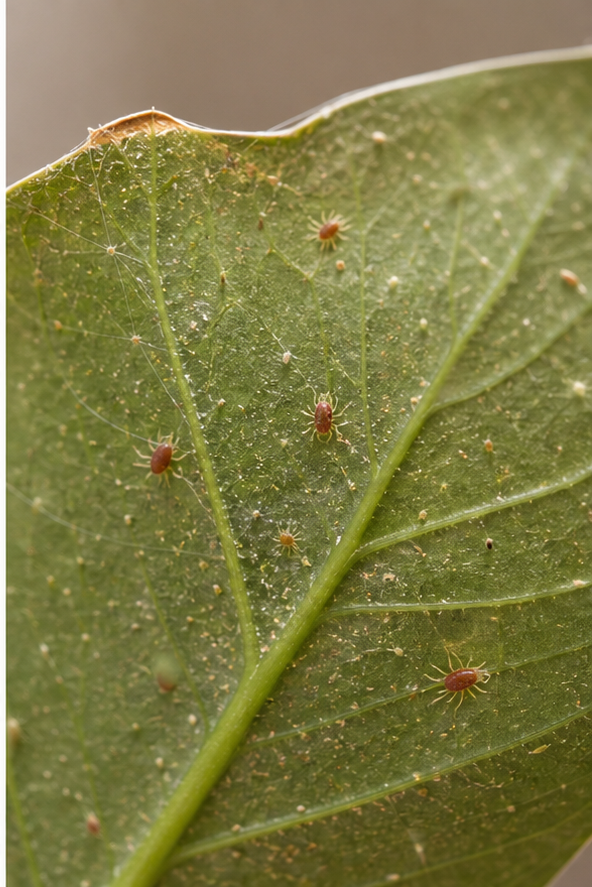
Spider mites represent one of the most concerning pest threats to peace lilies during winter indoor conditions. These microscopic arachnids reproduce rapidly in dry, warm indoor environments, creating a vicious cycle with peace lily stress from low humidity. Spider mites are extremely small and often difficult to observe directly, but several indicators can help with early detection:
Prevention Strategies
Preventing spider mite infestations centers on maintaining appropriate air humidity levels. The pebble tray and misting practices previously recommended also serve as highly effective mite prevention measures. Spider mites prefer dry conditions, and maintaining relative humidity above 50% significantly inhibits their reproduction.
Regular inspection of peace lily leaves, particularly the undersides, is crucial for early pest detection. Examine your plant thoroughly every one to two weeks, and take immediate action if you notice any concerning symptoms.
Treatment When Infestation Occurs
If you confirm spider mite presence, there's no need to panic. First, isolate the affected plant from others to prevent spread. Then, gently wipe both leaf surfaces with a damp cloth to remove mites and their eggs. For mild infestations, this method combined with increased humidity is often sufficient for control.
For more significant mite problems, consider using neem oil or horticultural oil spray products. These natural-based treatments are environmentally friendly for indoor use. When applying, follow product instructions for proper dilution and ensure thorough coverage, including hard-to-reach areas like leaf undersides where mites typically hide.
---
- Fine yellow or white stippling appears on leaf surfaces
- Delicate webbing becomes visible, especially on leaf undersides
- Severe infestations cause overall leaf yellowing and loss of luster
- Plant growth noticeably slows or stops
Root Rot Prevention and Emergency Treatment
Analyzing Root Rot Causes
Root rot represents another high-risk issue for peace lily care during Japanese winter indoor periods. In cooler temperatures, peace lily root systems experience reduced metabolic activity and decreased water absorption capacity. If watering frequency remains unchanged during this period, consistently waterlogged soil combined with cool roots leads to impaired root respiration and eventual decay.
Early symptoms of root rot include: noticeably delayed new leaf emergence, general leaf wilting even when soil appears moist, and the plant feeling unstable when gently touched. If you observe these signs, immediately examine the root system.
Emergency Root Rot Treatment Steps
Once root rot is confirmed, follow these treatment steps:
1. Gently remove the peace lily from its pot and shake off soil from the roots 2. Using sterilized scissors or a knife, trim away all brown, black, or mushy roots 3. Rinse healthy roots clean with running water 4. Apply a fungicide powder (such as thiophanate-methyl) to cut surfaces 5. Place the plant in a cool, well-ventilated area to air dry for four to six hours 6. Repot using fresh, well-draining potting mix 7. Refrain from watering for three to five days after repotting, then gradually resume
---
Summary of Peace Lily Winter Care Essentials in Japan
| Care Aspect | Specific Measures | Key Considerations | |-------------|-------------------|-------------------| | Air Humidity | Pebble tray, daily misting, plant grouping | Maintain above 50% relative humidity | | Watering Frequency | Water when top 2cm of soil is dry | Ensure good drainage to prevent waterlogging | | Light Requirements | Bright indirect light location | Avoid strong direct sunlight | | Temperature Control | Room temperature 15-25°C | Keep away from direct heater airflow | | Pest Prevention | Regular inspections, humidity maintenance | Focus on spider mite vigilance |
---
Conclusion
As one of Japan's most beloved indoor plant species, peace lilies require special attention to survive the challenging dry air conditions of winter. By implementing proper humidity management through pebble trays, adjusting watering practices to prevent root rot, and maintaining regular inspection routines for pest prevention, you can help your peace lily thrive even during Japan's coldest months. Your efforts will be rewarded with a healthy, vibrant plant that continues to bring greenery and life to your indoor living space throughout the winter season.