
Overview
Solving Leaf Browning Caused by Dry Indoor Heating in Korean Winters
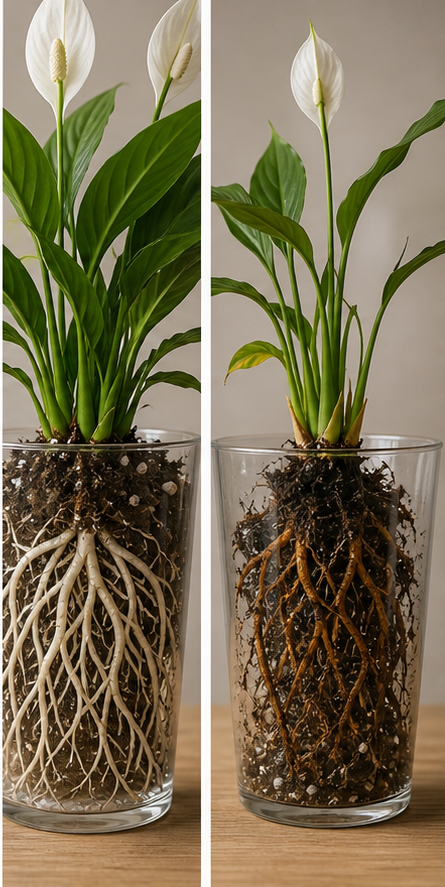
Korean winter heating creates extremely dry indoor environments that cause peace lilies to develop brown leaf tips. This comprehensive guide explains the physiological causes of tip burn, provides practical solutions including watering adjustments, humidity management, and strategic placement away from heat sources, helping you maintain healthy, vibrant peace lilies throughout the heating season.
Why Peace Lilies Develop Brown Tips in Heated Apartments
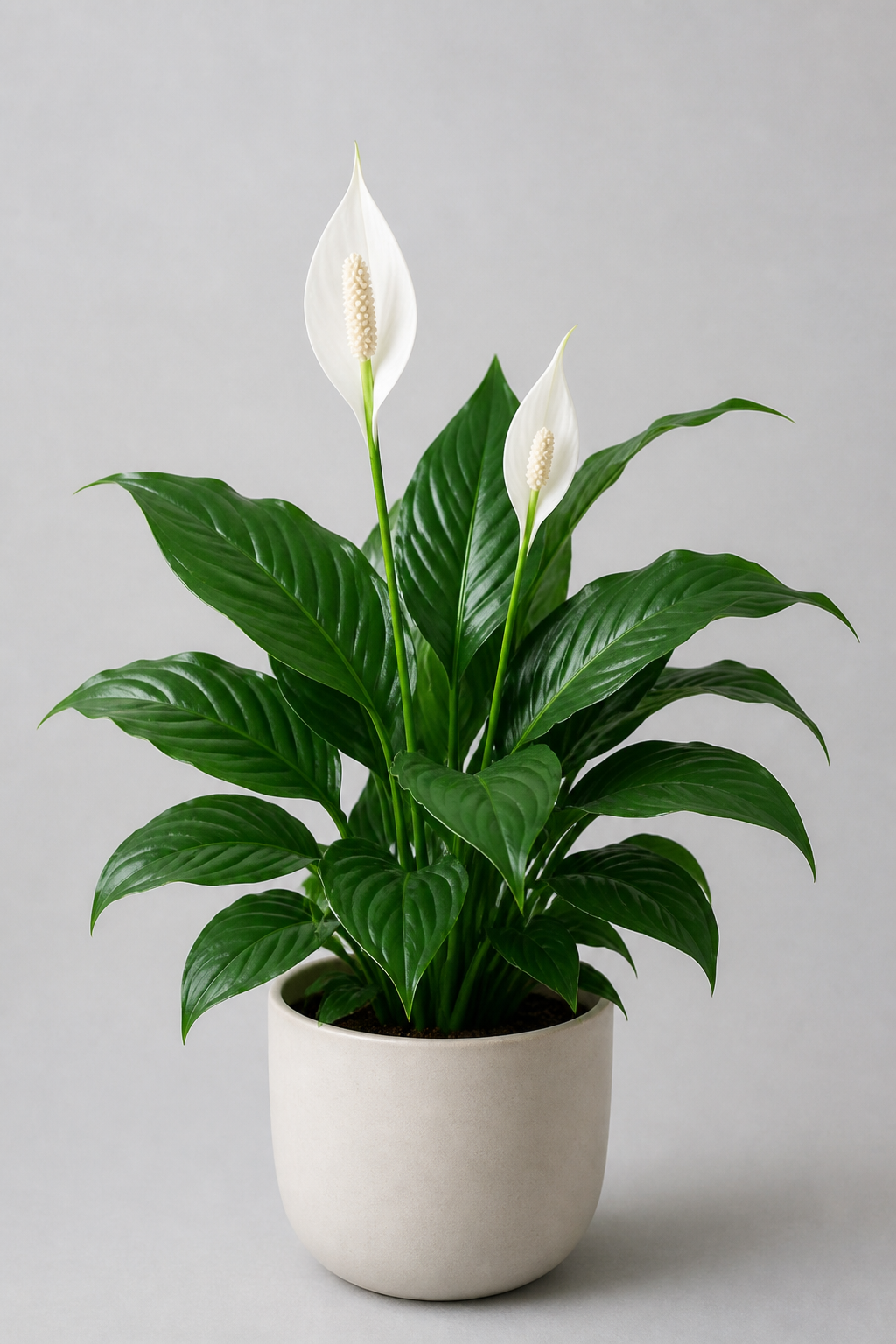
Peace lilies (Spathiphyllum) rank among the most beloved houseplants in Korean homes, prized for their elegant white spathes and deep green foliage that bring tranquility to any interior space. However, when Korean central heating kicks in each winter, many plant parents notice their peace lilies developing brown, crispy leaf tips—a phenomenon especially common in heated apartments with radiators or floor heating systems.
Understanding the Physiology of Leaf Tip Browning
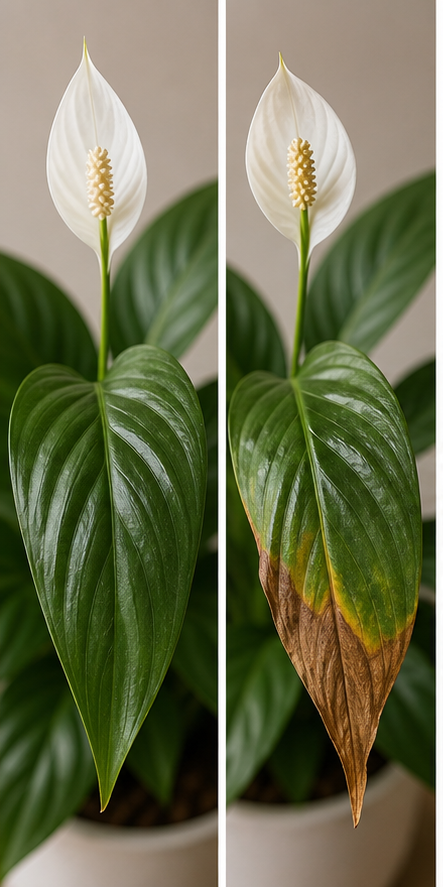
The underlying cause of brown tips in heated environments is a water imbalance within the plant. When heating systems activate, indoor temperatures rise while relative humidity plummets—sometimes from a comfortable 40-60% down to an arid 20% or less. This combination accelerates both soil moisture evaporation and leaf transpiration. Critically, leaf tips are the terminal points farthest from the plant's water transport system. When roots cannot absorb water fast enough to meet the transpiration losses at leaf tips, cells dehydrate and die, manifesting as the brown discoloration we observe.
Identifying Causes Based on Browning Patterns
Examining where and how browning occurs helps pinpoint the specific cause. Brown tips starting from the leaf edge and progressing inward typically indicate low humidity or insufficient watering. Uniform browning extending evenly from the tip suggests chronic underwatering. Brown tips surrounded by yellow halos often point to fertilizer salt buildup or poor water quality. Occasional mild browning during winter is normal; intervention becomes necessary when browning affects more than 10% of a leaf, or when new leaves consistently develop brown tips daily.
Practical Solutions: Six Steps to Improve Your Peace Lily
Step One: Adjust Watering Frequency and Technique
Heated apartment watering requires a different strategy than other seasons. Employ the "soak and dry" method: insert your finger 2-3 centimeters into the soil; water only when it feels dry. In heated apartments, your watering interval may compress from the usual 5-7 days to every 2-3 days. When watering, add water until it flows freely from the drainage holes—this ensures the entire root zone is moistened. Avoid using ice-cold tap water directly; let it rest for 24+ hours to reach room temperature and allow chlorine to dissipate.
Step Two: Elevate Air Humidity
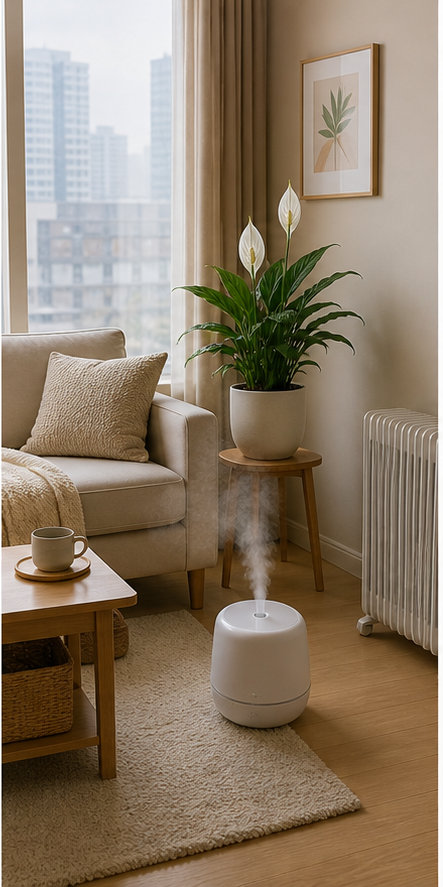
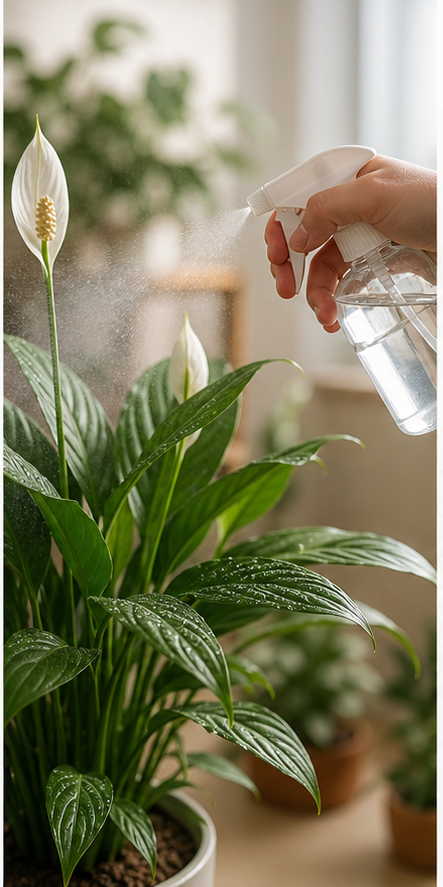
This is the cornerstone solution for heated-apartment brown tips. The simplest approach involves misting leaves twice daily—morning and evening—using a spray bottle. Avoid misting the spathes directly, as prolonged moisture on flower bracts can cause them to green prematurely or fade early. More effective is running a humidifier to maintain relative humidity between 50-60%, which benefits both your peace lily and respiratory health. Alternatively, place your pot on a pebble tray: fill a shallow tray with water, add pebbles or stones, and set the pot on top so it sits above the waterline. Evaporation from the tray creates a localized humid microclimate.
Step Three: Position Away from Heat Sources
Maintain at least one meter distance between your peace lily and radiators, heating vents, or radiant floor heating areas. Direct heated air creates localized hot spots with severely depleted humidity—even frequent watering cannot compensate for this environmental stress. Ideal placements include east or north-facing windows, which receive gentler winter light while remaining distant from heat sources. If proximity to heating is unavoidable, use insulating barriers such as thick curtains or radiator screens to buffer the hot, dry air currents.
Step Four: Optimize Light Conditions
While peace lilies tolerate low light, winter's gentler natural illumination actually strengthens plant resilience. Relocate your plant to a position near windows where it receives 2-4 hours of indirect sunlight daily. South-facing windows are ideal for Korean winters, given the lower sun angle. However, prevent leaves from touching cold glass directly, as glass temperatures may drop below ambient air temperature and cause chill stress. Maintain a 15-20 centimeter gap between the pot and the windowpane.
Step Five: Revise Fertilization Protocol
Heated-apartment peace lilies slow their growth during winter and require less nutrition. Continuing summer fertilization schedules leads to salt accumulation in soil, manifesting as leaf tip burn. Reduce feeding to once monthly during winter, or suspend fertilization entirely until spring. If severe browning occurs, consider flushing the soil thoroughly with room-temperature water to leach excess accumulated salts.
Step Six: Regular Inspection and Leaf Maintenance
Conduct weekly inspections to catch new browning early. Trim severely browned tips with sterilized scissors—disinfect blades with rubbing alcohol between cuts. When cutting, follow the curved edge of the brown tissue with an angled cut, preserving all green tissue beyond the brown-green transition zone. This improves aesthetics while minimizing wound size. After trimming, wipe blades clean; optionally apply cinnamon powder or activated charcoal to cut surfaces to promote healing and prevent fungal entry.
Prevention Over Cure: Establishing Heating-Season Care Routines
During Korea's extended 4-5 month heating period, integrate peace lily care into your weekly household routine. Dedicate ten minutes each weekend to checking soil moisture, misting foliage, and observing for new browning. Mark your calendar for biweekly humidifier cleaning—neglected humidifiers become breeding grounds for mold and bacteria, posing risks to both plant and human health.
Remember that peace lilies are sensitive to environmental changes but also adaptable. Occasional minor tip browning need not cause alarm; this reflects the plant's adjustment to new conditions. By consistently providing appropriate moisture, humidity, and protection from desiccating heat, your peace lily will navigate Korea's arid heating season successfully and emerge vibrant when warmer months return.