
Overview
Not all wilting can be fixed with water alone
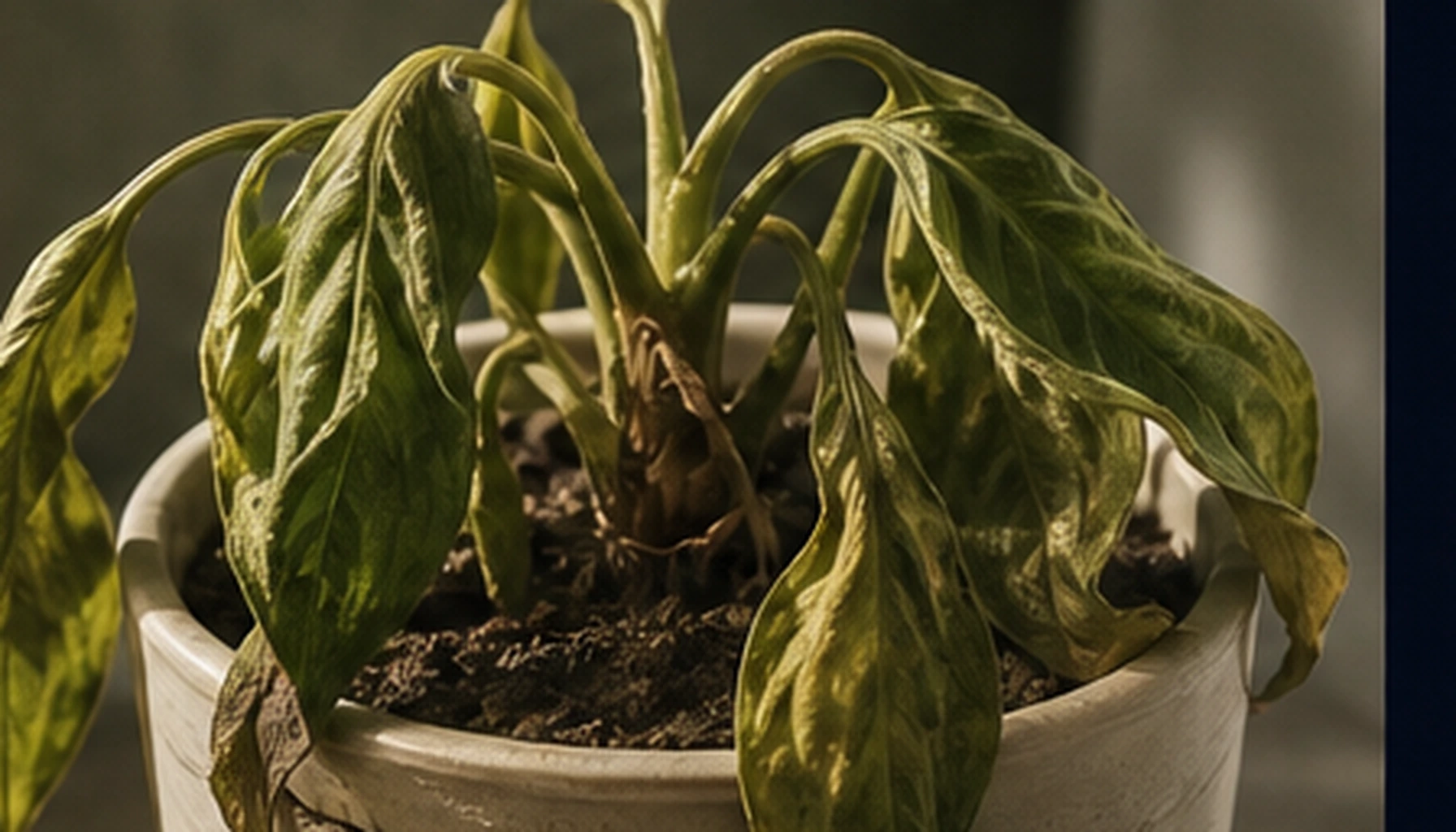
When the soil in your pot is clearly dry yet the leaves droop limply, most people's first instinct is to water immediately. But behind the same symptoms, very different causes may be at work—from simple temporary drought to root rot, severe dehydration, or heat stress. Misjudging can not only fail to save the plant but potentially make things worse. This article helps you accurately identify the severity of the problem through multiple dimensions—leaf texture, soil condition, post-watering response—and provides corresponding first-aid steps and observation points.
Observation: Assess Severity from Three Dimensions
When leaves are limp, don't rush to water. Perform three quick checks first:
If all three dimensions point to "simple water deficiency," you can safely proceed with watering. But if any red flags appear, be more cautious with the next steps.
- Touch test: Gently pinch the wilting leaf. If it's simply thirsty, the leaf will feel thin and soft, like semi-dry paper. But if the cause is root rot or severe dehydration, the leaf may feel thicker, appear duller in color, and even have a "cooked" sticky texture.
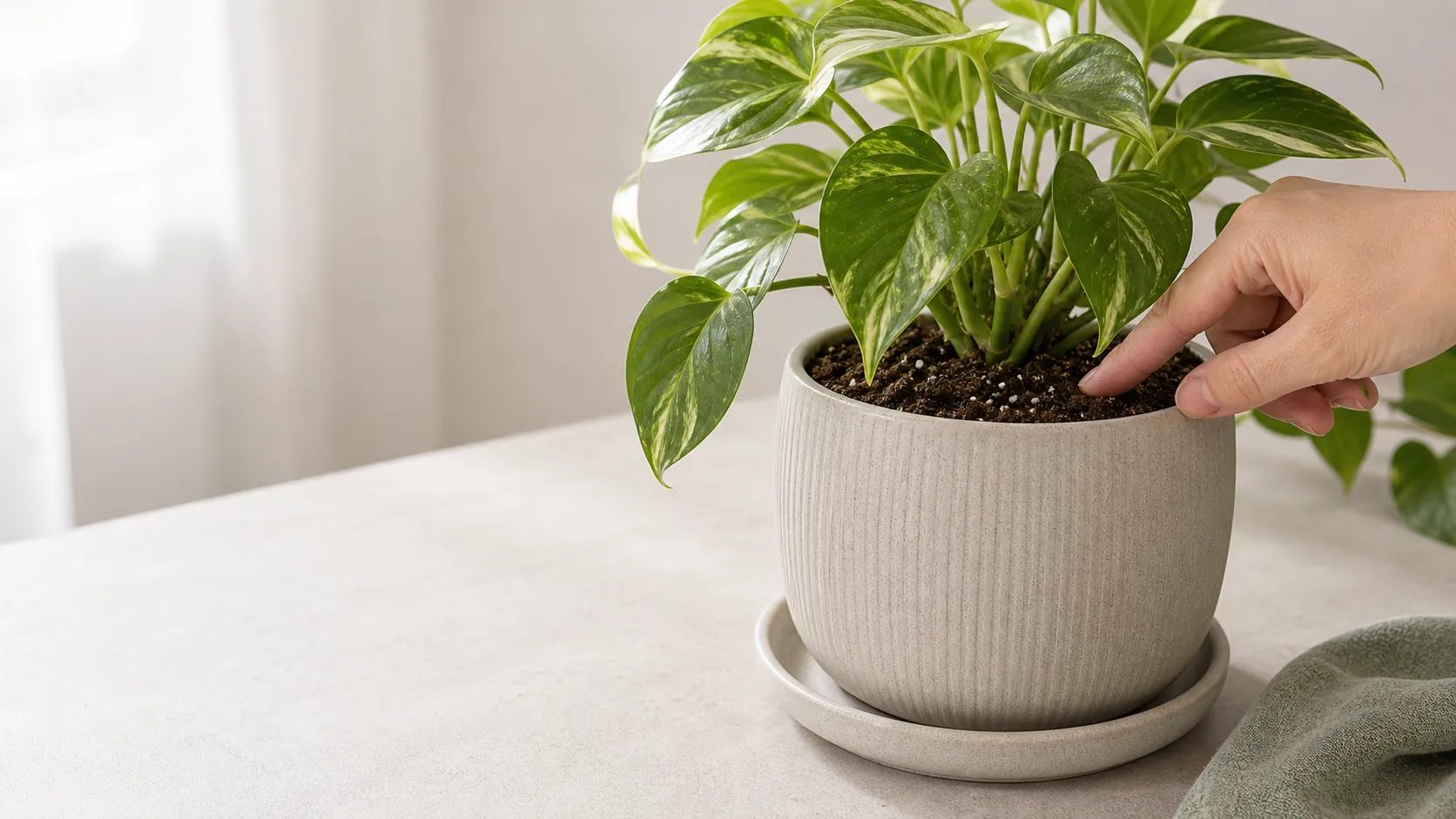
- Soil condition: Insert your finger 2-3 cm into the soil. If the entire pot feels light and dry, it's genuinely thirsty. If only the surface is dry while below remains moist, or if the soil has shrunk from the pot edges creating gaps, suspect root problems.
- Temperature check: Recall the past few days—any extreme heat, direct air conditioner airflow, or proximity to radiators? Heat stress causes rapid wilting often accompanied by leaf edge burn and irregular yellow spots on the foliage.
Step One: Hydrate Scientifically, Avoid Secondary Damage
Once confirmed as simple thirst, watering technique matters:
- Gentle hydration: Don't pour water in all at once. In a parched state, roots may over-absorb and get damaged. Use small amounts multiple times, letting water penetrate gradually to reach the roots.
- Bottom soaking: Place the pot in a container filled with water, with the water level reaching 2/3 of the soil height. Soak for 15-30 minutes, allowing soil to absorb water naturally from below. This method is more even than top watering and effectively solves the problem of wet surface but dry bottom.
- Mist spray: For severely wilted plants, lightly mist the leaf undersides with a spray bottle to increase local humidity and help leaves regain turgor.
Common Mistakes: These Will Make Things Worse
Seeing limp leaves, many people make these errors:
- Heavy watering followed by sun exposure: After watering, putting the plant in strong light turns the moist soil into a "steamer." Roots will be scalded by hot steam.
- Repeated watering while waiting: If leaves haven't recovered within 24 hours of watering, don't water again immediately. The roots may be damaged and losing absorption capacity; continued watering will only worsen rot.
- Pruning wilted leaves: Don't remove any leaves before the plant recovers. Even wilted leaves still perform weak photosynthesis; forcibly removing them consumes the plant's recovery energy.
- Using fertilizer: Wilted plants have extremely weak nutrient absorption. Fertilizing now not only wastes product but causes salt buildup, increasing root burden.
Monitor Recovery Signals: Determine If Further Intervention Is Needed
After watering, wait patiently 2-3 days and observe these changes:
- Positive signals: Leaves gradually regain firmness within 12-24 hours, color brightens, petioles lift upward again—indicating light water deficiency and self-recovery.
- Warning signals: Leaves remain wilted after watering, or initially recover then rapidly deteriorate again, accompanied by yellowing leaves and softening stems—indicating the problem isn't water deficiency. Root rot or severe cellular damage from dehydration may be present. At this point, you need to unpot and inspect the roots.
Root Inspection: Act Decisively When Necessary
If warning signals appear, perform these steps:
Limp leaves with dry soil are a distress signal from your plant. Understanding its true meaning enables the correct response—sometimes it only needs a glass of water, while other times it requires you to unpot, trim decayed roots, and give the plant a chance to start fresh.
- Unpot inspection: Gently remove the plant from its pot and examine root color. Healthy roots are white or pale yellow, elastic to the touch. Rotting roots appear brown or black, feel mushy when pressed, and may have an unpleasant smell.
- Trim decayed roots: Use sterilized scissors to cut away all brown, black, and mushy roots, preserving healthy white ones. Soak the remaining roots in a fungicide solution for 30 minutes for disinfection.
- Repot in fresh soil: Use fresh, well-draining soil to repot. Place in a location with bright indirect light and good airflow. Keep soil slightly moist but not waterlogged, and wait for new roots to emerge.