
Overview
Why Leaf Cleaning Matters for Plant Health, Identifying Leaf Types, and When to Avoid Leaf Shines
Dust accumulation on leaf surfaces is one of the most overlooked issues in indoor plant care that directly affects plant health. Dust clogs the stomata on leaf surfaces, reduces photosynthesis efficiency, and can become a breeding ground for pests if left uncleaned. This article explains the importance of leaf cleaning in detail, analyzes the tolerance of different leaf types to wiping, and helps beginner plant parents determine which plants can be wiped with water and which need gentler treatment. Most importantly, we will highlight the potential harm of commercial leaf shine products and when using such products can actually damage plants. By mastering the correct timing, methods, and precautions for cleaning, your indoor plants will show more vigorous growth while reducing the risk of pest and disease problems.
Why Leaf Cleaning is Essential for Plant Health
Many beginner plant parents focus on watering, fertilizing, and light management, but often overlook dust accumulation on leaf surfaces. In reality, leaves are the primary organs for photosynthesis and respiration, covered with numerous invisible stomata. When dust particles settle on leaf surfaces, they create a barrier that significantly reduces the leaf's ability to receive light, directly impacting the plant's energy synthesis efficiency.
Dust that remains uncleaned over time also absorbs moisture from the air, creating a humid micro-environment on leaf surfaces that easily breeds bacteria and fungal spores. Additionally, certain pests like spider mites and mealybugs particularly enjoy hiding and breeding in dusty areas, making regular leaf cleaning an important measure for pest prevention. From an aesthetic standpoint, clean and shiny leaves better showcase the ornamental value of indoor plants and enhance the overall quality of your home environment.
Observing Leaf Conditions: Determining When Cleaning is Needed
Before starting to clean, you first need to observe the actual condition of the leaf surface. Gently touch the leaves with your fingers—if you feel obvious grittiness or see grayish-white patches, the dust has accumulated to a level that requires cleaning. Additionally, move the plant to a well-lit area and observe whether the leaves appear dull and lifeless, even under good light conditions; if leaves still look dusty despite adequate lighting, this is also a signal that cleaning is needed.
Pay attention to the underside of leaves as well, since many pests and eggs prefer to hide on leaf undersides. Healthy leaves should display natural coloring, with a clean surface that has natural shine but not excessive gloss. If you notice brown spots, curling, or abnormally shiny leaves, first investigate for pests and diseases or chemical damage before considering whether cleaning is appropriate.
How Different Leaf Types Tolerate Cleaning
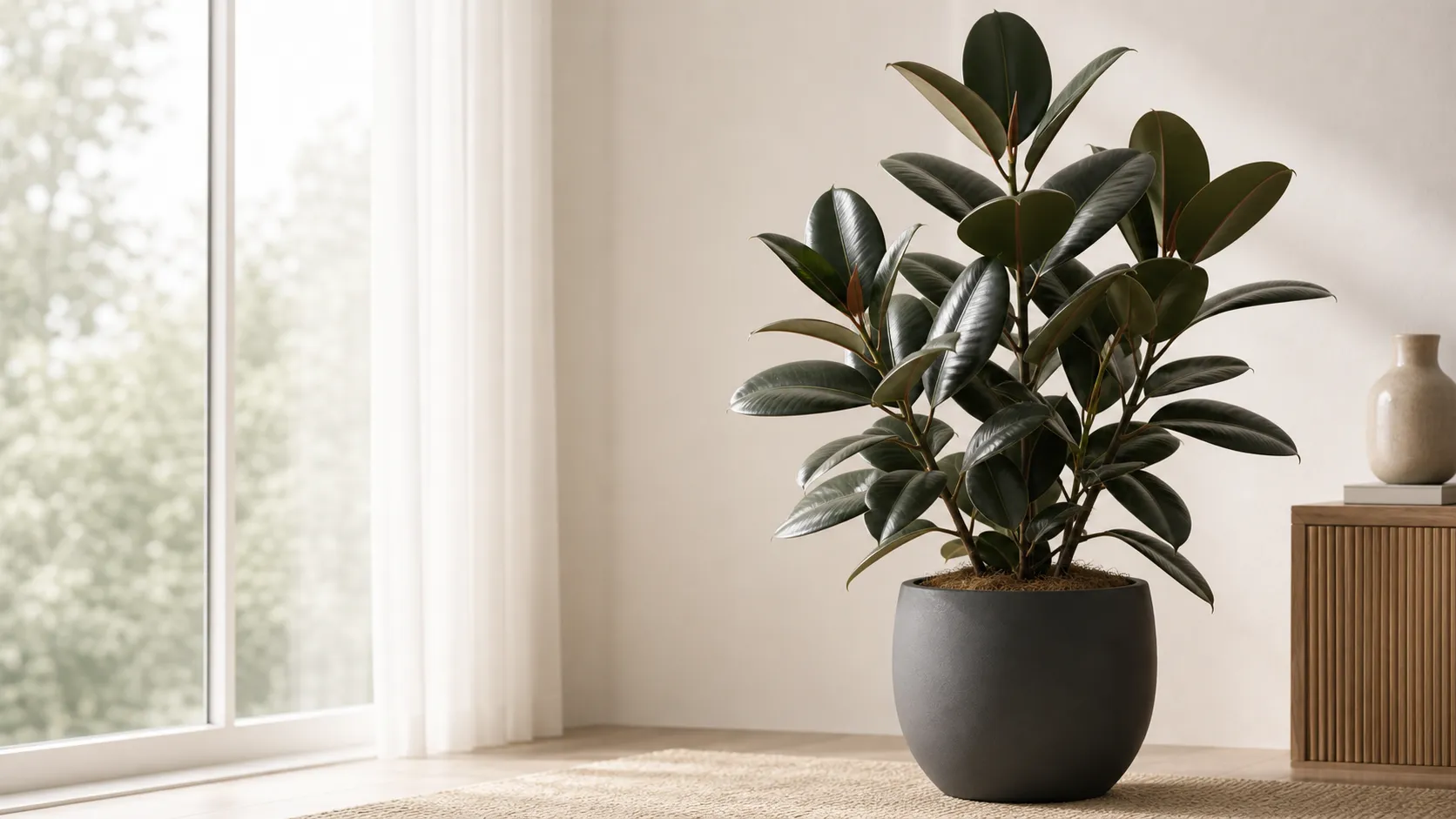
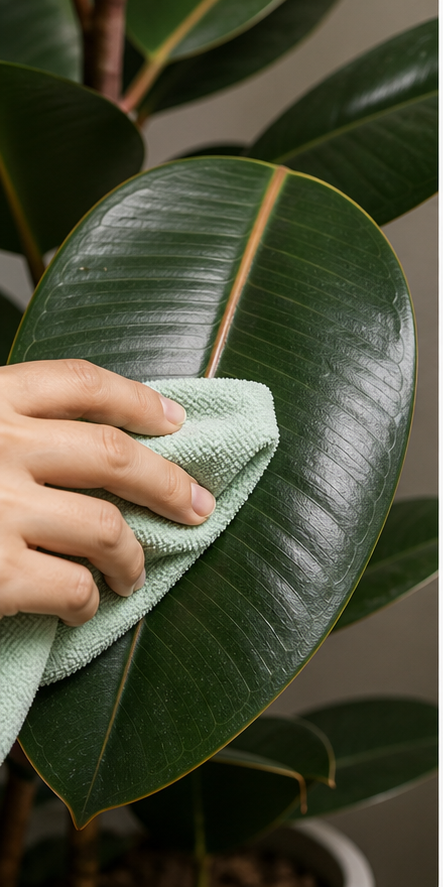
Indoor plants are diverse, and leaf characteristics vary greatly, so cleaning methods need to be differentiated. Plants with smooth, leather-like leaves such as rubber plants, monstera, pothos, snake plants, and money trees have relatively tough leaf surfaces that can be gently wiped clean. When cleaning, dip a soft cloth in room-temperature water, wring it until damp, and wipe along the direction of leaf veins.
Plants with thin, papery leaves such as begonias, calatheas, and spider plants have higher water content and more fragile texture, requiring extra gentle handling. It is recommended to use a fine mist spray bottle to lightly mist the leaves, letting water droplets naturally slide off to carry away dust, or gently brush away dust with an ultra-soft brush. Never rub forcefully or use rough fabrics to avoid tearing leaf tissue.
Plants with hairy or powdery leaves such as African violets, fuchsias, and succulents have fine fuzzy coatings or natural powdery protective layers on their leaf surfaces, and absolutely should not be wiped with water. Water droplets will destroy this protective membrane, causing leaf rot or infection. For cleaning these plants, only use a dry soft brush to gently brush away dust, or use an air blower配合软刷进行处理。
Safe Cleaning Steps and Precautions
The best time to clean leaves is in the morning or forenoon, giving plants sufficient time to dry naturally before nighttime temperatures drop. Before cleaning, prepare room-temperature water (similar to room temperature), two clean soft cloths (one damp, one dry), and a small spray bottle. First, gently wipe the front of leaves with a damp cloth, using light pressure and wiping from leaf base to tip along the direction of veins, avoiding back-and-forth rubbing that could damage the epidermis.
After wiping the front, gently lift the leaf to wipe the underside, as the underside also accumulates dust and has more concentrated stomata. Once wiping is complete, go over once more with a dry cloth to absorb remaining moisture. Then place the plant in a well-ventilated area while avoiding direct harsh light, allowing leaves to air dry naturally. Cleaning frequency depends on environmental conditions; generally, plants in poorly ventilated spaces or near windows that accumulate dust easily benefit from cleaning every two to four weeks.
Important precautions include: never pour cold water directly on leaves (temperature differences cause stress reactions), never spray and clean in direct sunlight (water droplets act like magnifying lenses causing burns), never use wipes containing alcohol or chemical ingredients, and never place plants in cold environments while leaves are still wet. These incorrect practices can all cause damage to plants.
The Harm of Leaf Shine Products and Correct Alternatives
Common leaf shine sprays or wipes available on the market may make leaves look instantly glossy, but long-term use causes serious damage to plants. These products work by forming an oily film on the leaf surface that clogs stomata and obstructs the plant's normal respiration and gas exchange functions. Visually, this artificially created shine is unnatural and actually attracts dust more quickly, creating a vicious cycle.
Worse, some leaf shine products contain petroleum distillates or synthetic chemical solvents that accumulate residues on leaf surfaces over time, changing leaf surface pH and damaging the leaf's natural protective mechanisms. For plants sensitive to chemicals like succulents and orchids, using leaf shine products can lead to leaf cell damage or even death of the entire plant. Pet owners should also be aware that some leaf shine ingredients pose toxicity risks to cats and dogs.
If you want naturally shiny leaves, the healthiest approach is maintaining regular cleaning and providing appropriate lighting. Plants grown in adequate light with balanced nutrition will naturally develop glossy, healthy leaves. Certain plants like rubber trees and fiddle-leaf figs have inherent natural shine that can be showcased through proper care. For plants where you really want extra shine, you can lightly apply a very small amount of coconut or olive oil, but control the quantity strictly, applying only a thin layer while avoiding areas with concentrated stomata.
Post-Cleaning Observation and Care Adjustments
After completing leaf cleaning, observe the plant's subsequent response to determine whether the operation was done correctly. Healthy responses include: leaves becoming more vibrant in color over the next one to two days, natural-looking surface shine, and leaves standing upright with vitality. If you notice leaves wilting, developing brown spots, or yellowing at the edges, cleaning may have damaged leaf tissue or inappropriate cleaning methods were used, requiring timely adjustments.
The week following cleaning is a good time to observe for pests and diseases, as dust removal makes it easier to spot eggs, frass, or abnormal spots on leaves. If you discover signs of pest or disease, treat the problem first rather than continuing regular cleaning procedures. Additionally, after cleaning, plants may have changed water and nutrient needs, as improved photosynthesis efficiency increases metabolism, requiring appropriate adjustments to watering frequency and fertilization schedules.