
Overview
Ventilation and Moisture Management Tips for Indoor Plants in Humid Weather
During rainy season, elevated indoor humidity can lead to leaf water accumulation and root hypoxia in plants. This article introduces how to maintain healthy indoor plants in humid weather by observing plant conditions, implementing proper ventilation measures, and avoiding common mistakes.
The Core Challenge of Indoor Care During Rainy Season
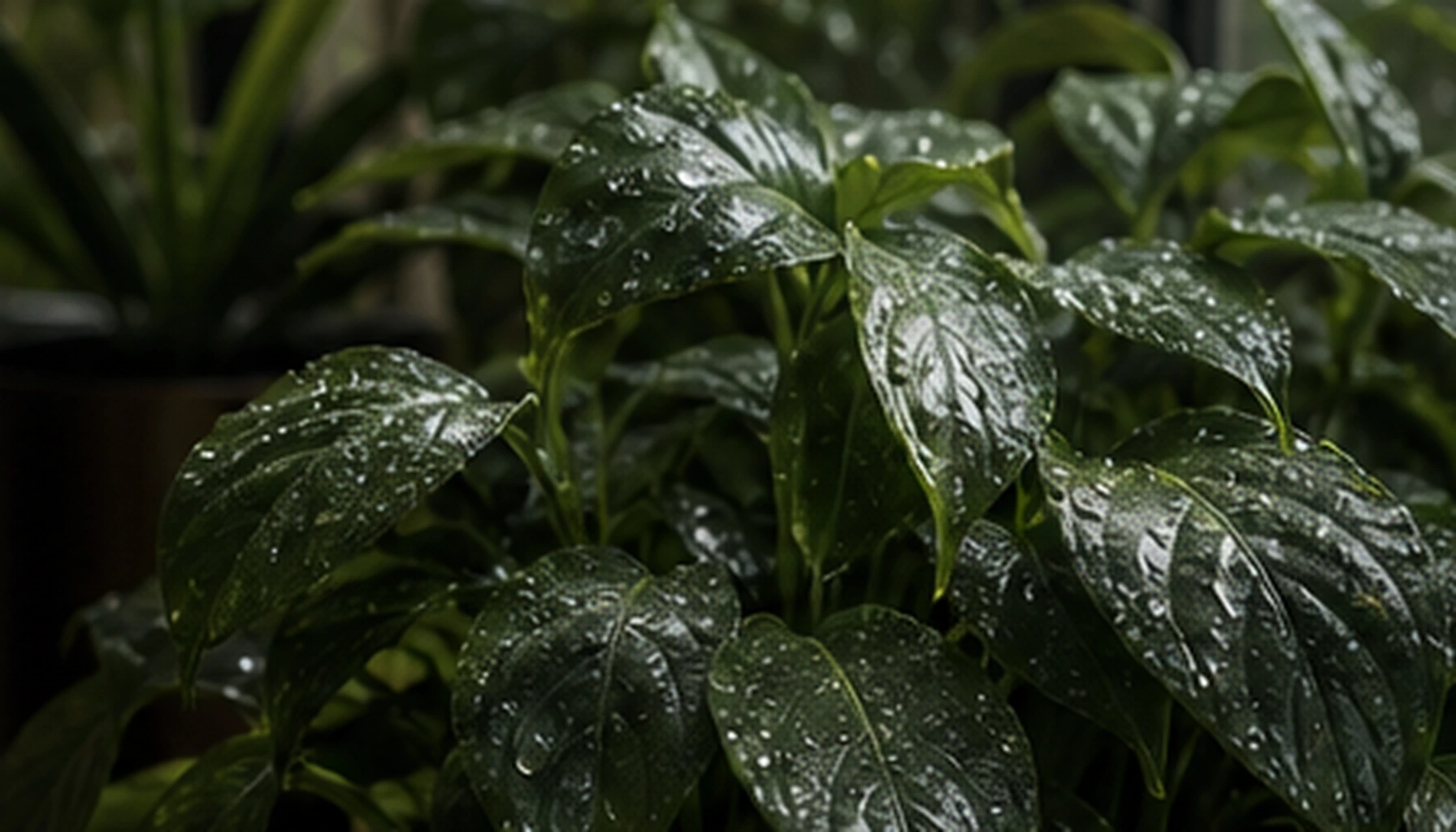
When rainy season arrives, many indoor plant enthusiasts notice that previously healthy plants begin showing yellowing leaves and root rot issues. This is typically closely related to poor indoor air circulation and excessive humidity. A humid environment causes moisture to remain on leaf surfaces too long, providing a breeding ground for fungal diseases; simultaneously, soil moisture cannot evaporate effectively, leading to root hypoxia and suffocation.
First, Observe These Key Signals
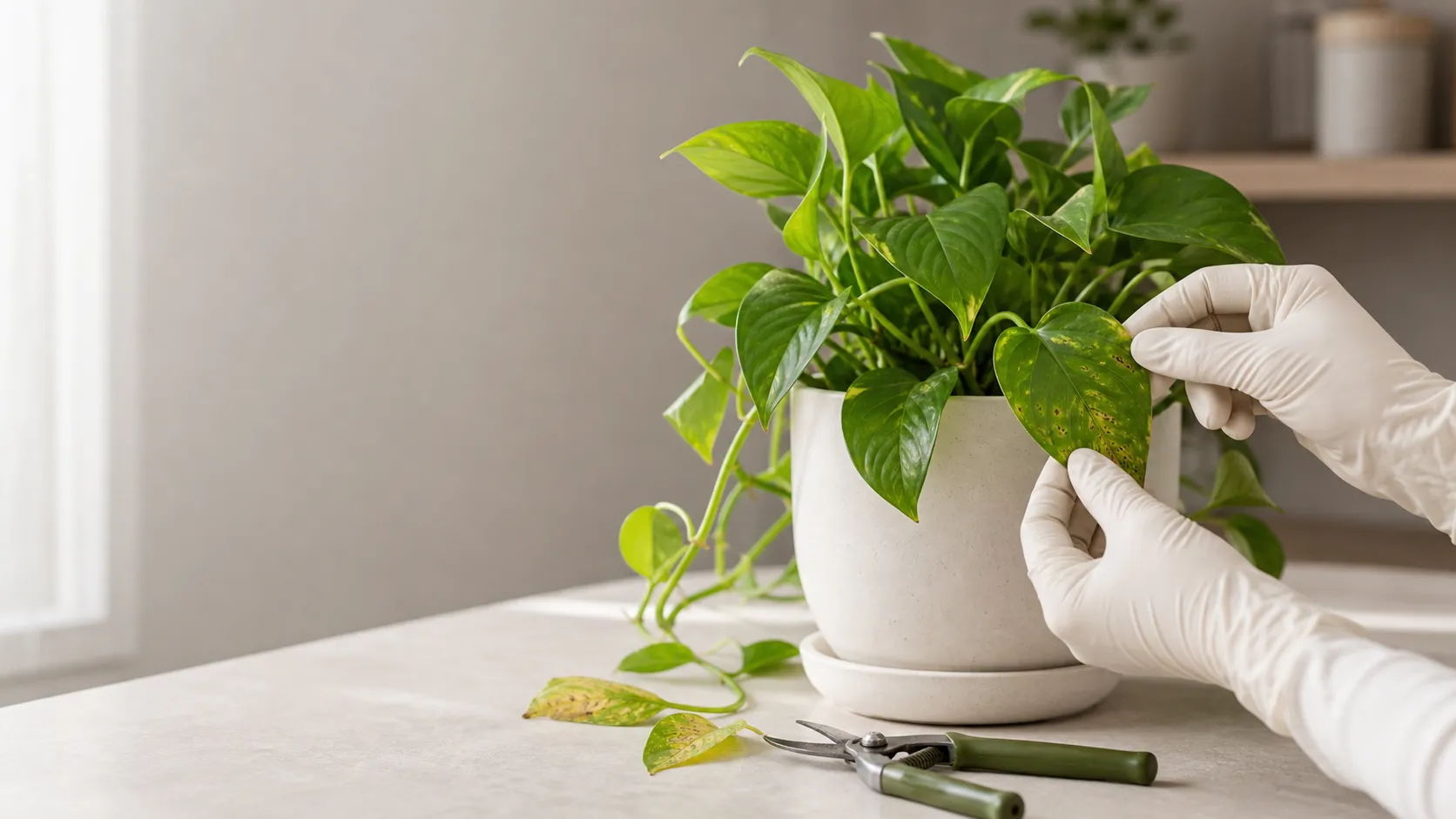
Before taking any measures, you need to learn to observe the distress signals plants send. When water droplets condense on leaf surfaces, it indicates air humidity is nearing saturation and immediate ventilation is needed. Insert your finger three centimeters into the soil surface; if it feels wet or cold, soil aeration is insufficient. If drainage holes near the pot bottom show blackening, roots may have already begun anaerobic respiration. Additionally, watch for brown spots or curled leaf edges—these are often early warnings of excessive humidity.
Immediate Ventilation Measures to Take
Step one is opening windows for natural ventilation. Choose periods when outdoor humidity is relatively lower, such as during rain pauses or early morning and evening hours, ventilating for fifteen to thirty minutes each time. If natural ventilation conditions are limited, you can use fans. Place the electric fan more than one meter away from plants, set to low speed or oscillating mode, allowing air to flow slowly rather than blowing directly on leaves. Step two is adjusting plant positions. Move plants away from walls and furniture, ensuring at least thirty centimeters of space for air circulation around each plant. Step three is considering using a dehumidifier or moving plants to a relatively drier room to help reduce overall environmental humidity.
Common Mistakes You Must Avoid
A mistake many beginners make during rainy season is overwatering, thinking humid weather requires more water. In reality, plant transpiration has already weakened at this time, and overwatering only increases root burden. Another misconception is placing plants directly under air conditioning vents. Although AC has dehumidifying function, cold air blowing directly causes leaf temperatures to drop suddenly, triggering stress reactions. Some people also like spraying water on leaves to increase humidity, but this practice is counterproductive during rainy season—water droplets remaining on leaf surfaces too long become breeding grounds for pathogens.
Continuously Observe Improvement Effects
After implementing the above measures, you need to monitor plant feedback to evaluate effectiveness. Within three to five days, if leaf surface condensation noticeably decreases, ventilation measures are showing results. After about a week, previously curled leaf edges should begin gradually unfurling, indicating plants are recovering normal transpiration function. Observing soil moisture is also important: healthy soil surface should show slight drying within one to two days after watering. If no noticeable improvement is seen within two weeks, you may need to consider更换透气性更好的土壤介质,或检查是否存在根系腐烂的情况。