
Overview
Indoor Plant Care Essentials
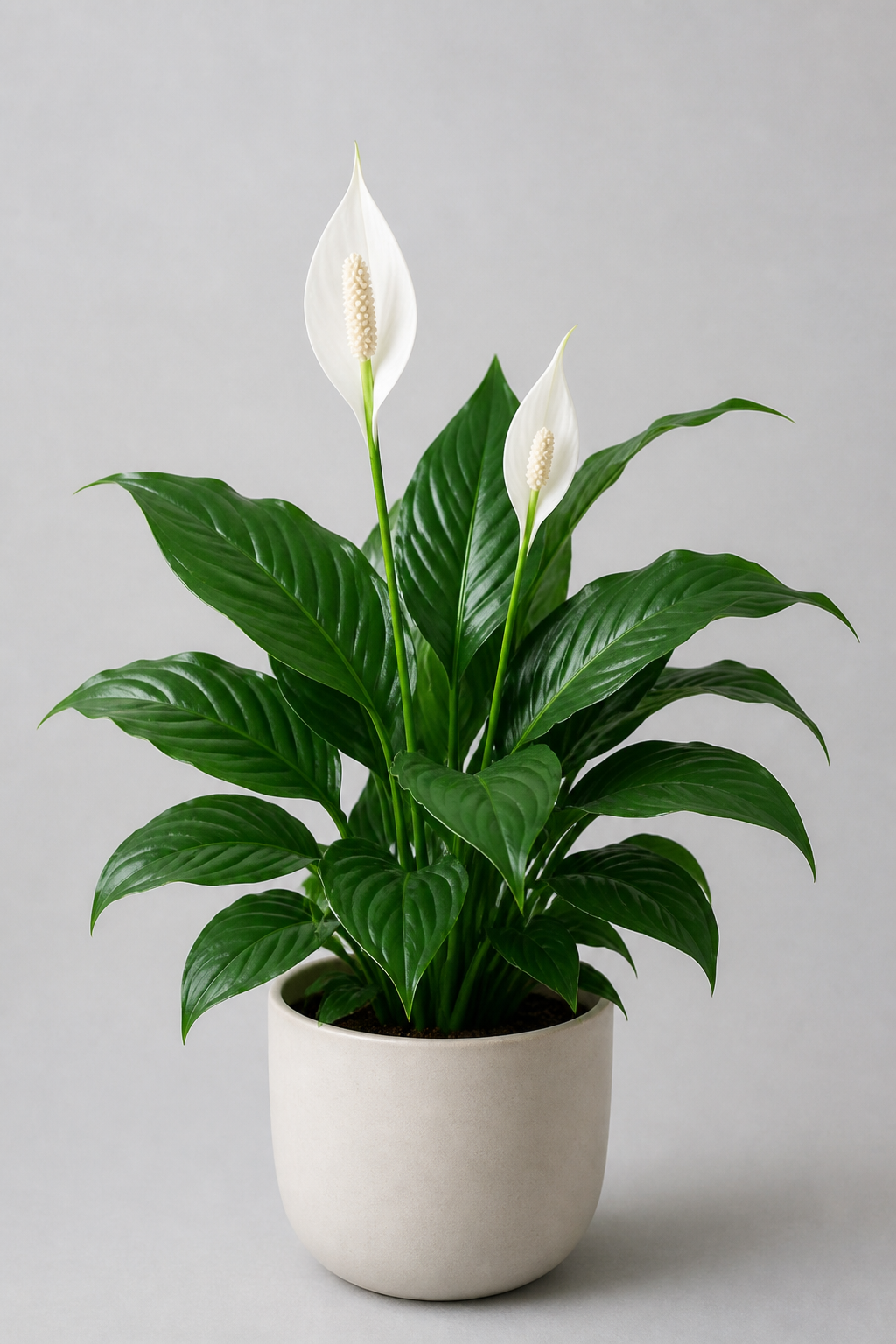
This article provides a thorough analysis of the common causes of brown leaf tips on peace lilies and offers practical solutions for dry indoor air, missed watering, and mineral buildup, helping you maintain a healthy plant in your home.
Main Causes of Brown Leaf Tips
1. Dry Indoor Air
2. Missed or Irregular Watering
3. Mineral or Salt Buildup
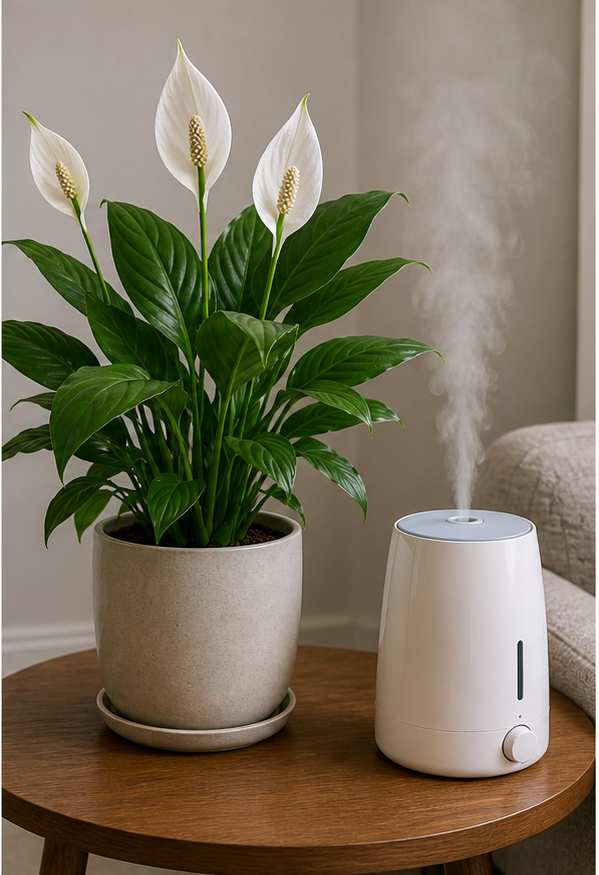
- Why it happens: Heating or air conditioning can drop relative humidity below 30%, causing leaf tip cells to lose water.
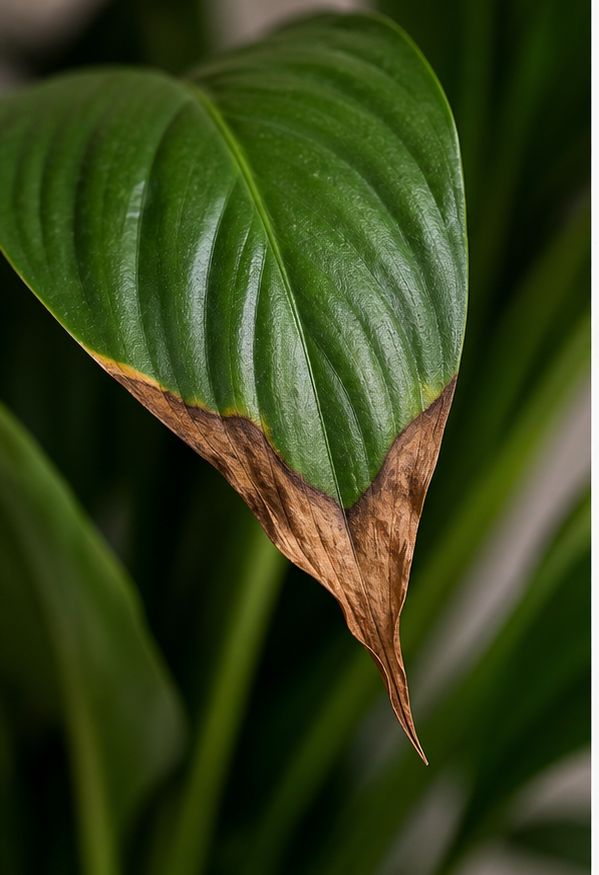
- Symptoms: Initially a yellowing of the tip, then a crispy brown dead patch.
- Remedies: Use a humidifier, place the pot on a pebble tray with water, mist the leaves regularly, or group plants to raise ambient humidity.
- Why it happens: Peace lilies prefer consistently moist soil; when the root zone dries out, the leaves wilt and the tips burn first.
- How to tell: The top 2‑3 cm of soil feel dry, and the leaf edges begin to droop slightly.
- Proper watering technique: Use the "soak method" – set the pot in a tray of water for 15‑20 minutes, allowing the soil to absorb water from the bottom. This keeps the root ball moist without wetting the foliage, reducing fungal risk.
- Why it happens: Tap water contains calcium, magnesium, fluoride, and over‑fertilizing leaves salt residues on the soil surface. These crystals block water uptake, leading to tip burn.
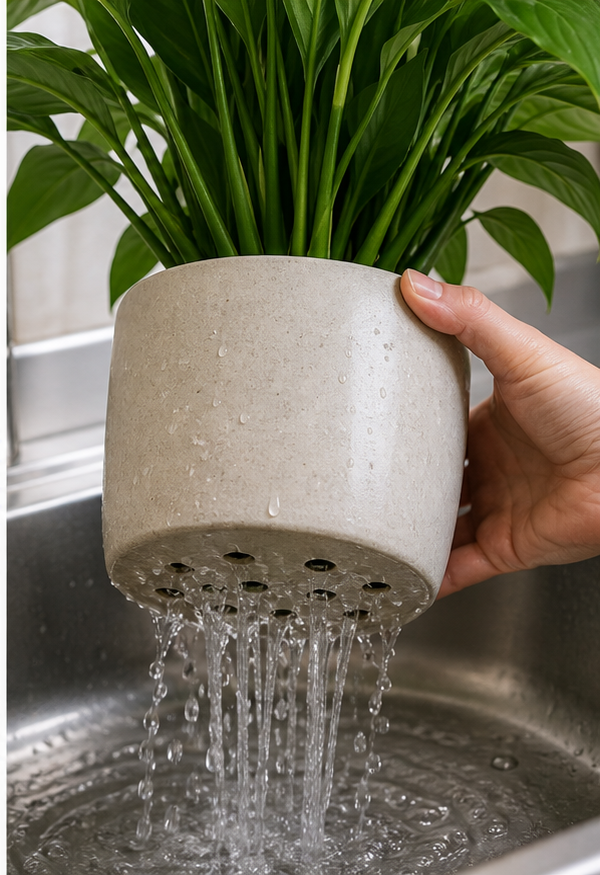
- Prevention: Water with filtered, rainwater, or aged tap water; once a month perform a thorough leaching by soaking the pot in several changes of fresh water.
- Treatment: If white crusts are visible, remove the plant, gently brush away surface salts, and repot with fresh, well‑draining mix.
Environmental and Care Tips
- Light: Peace lilies thrive in indirect, filtered light (north‑facing window or sheer curtain). Direct sun can scorch the leaves, worsening tip burn.
- Temperature: Keep the environment between 18‑25 °C (65‑77 °F). Avoid sudden temperature swings that stress the plant.
- Air circulation: Gentle airflow helps reduce excess moisture on leaves and discourages pests, but avoid cold drafts directly hitting the plant.
- Fertilizer: During the growing season (spring‑summer) apply a half‑strength liquid fertilizer every 4‑6 weeks. Stop feeding in fall and winter to prevent salt accumulation.
Pest and Disease Connection
- Spider mites: These tiny pests thrive in dry conditions, creating fine webbing and stippling on leaf undersides, which can mimic tip burn. Wipe the leaves with a damp cloth, increase humidity, and if needed apply a low‑concentration horticultural oil spray.
- Root rot: Overwatering or poor drainage leads to soggy roots, causing wilting, yellowing, and tip browning. Inspect the root system, trim any black or mushy roots, and repot in a gritty, well‑aerated mix.
Quick Troubleshooting Checklist
1. Brown, crispy tip → Measure indoor humidity; if below 40 %, raise it with a humidifier or pebble tray. 2. Dry topsoil with slight leaf droop → Soak the pot using the bottom‑watering method. 3. White crust on soil surface → Leach the pot thoroughly or replace the top 2‑3 cm of soil. 4. Fine webbing or tiny dots on leaf undersides → Clean the leaves and boost ambient humidity to deter spider mites.
Soak‑Method Details
- Duration: Do not exceed 30 minutes; longer periods can deprive roots of oxygen.
- Draining: After soaking, let the pot drain freely; never leave it sitting in water.
- Water temperature: Use room‑temperature or lukewarm water to avoid thermal shock.
Daily Practices to Prevent Salt Buildup
- Monthly leaching: Flush the pot with two to three volumes of filtered water to dissolve accumulated salts.
- Water preparation: Allow tap water to sit uncovered for 24 hours so chlorine dissipates before using.
- Foliar feeding: Avoid spraying fertilizer directly onto leaves; apply only to the soil to minimize residue.
Common Misconceptions
- Myth 1: Brown tips always mean the plant needs more water. In reality, tip burn can be caused by low humidity or salt buildup.
- Myth 2: Placing the plant in bright sun will “dry it out” faster and prevent rot. This often worsens tip burn and stresses the plant.
- Myth 3: Any tap water is fine for watering. Fluoride and dissolved minerals can accumulate and burn leaf tips over time.
Conclusion
Brown leaf tips on a peace lily are usually the result of combined stresses – dry air, inconsistent watering, and mineral buildup. By maintaining adequate humidity, establishing a regular soak‑watering schedule, and periodically leaching the soil, you can restore the plant’s vibrant green foliage. If the tips are severely damaged, trim them cleanly to improve appearance, and focus on root health to encourage new growth. With consistent care, your peace lily will continue to produce its elegant white spathes, bringing a calm, tropical feel to any indoor space.