
Overview
Plant placement, tool storage, and cleanup routines to minimize everyday risks
This article provides practical safety guidance for families with children who want to grow thorny or irritating plants. It covers strategic plant placement, secure tool storage, and post-care cleanup routines. By establishing systematic safety protocols, parents can protect children while enjoying the benefits of gardening.
Identifying Plant Risk Sources
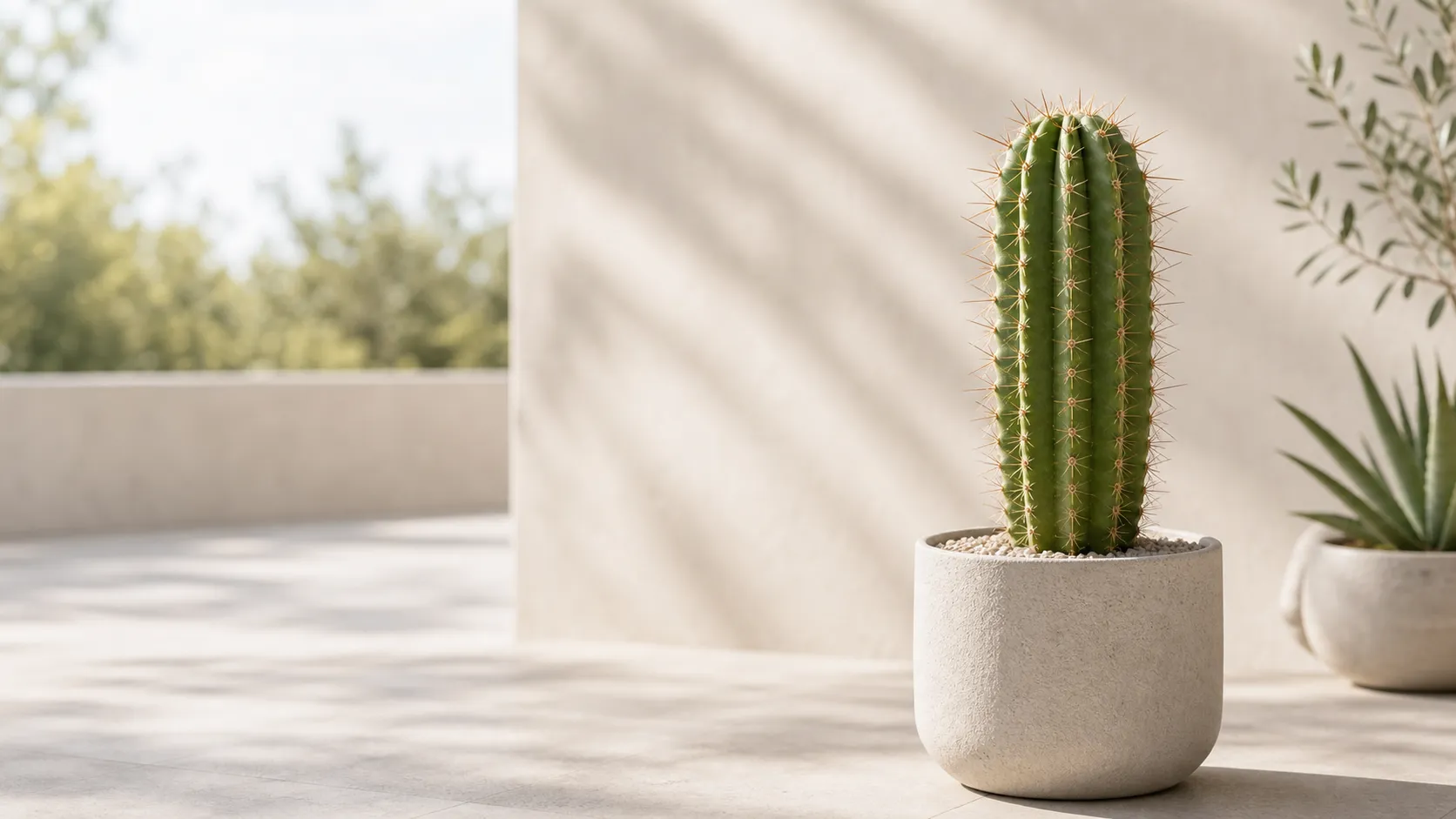
In home gardening, thorny plants such as cacti, roses, and agaves, as well as irritating plants like Dieffenbachia, Monstera sap, and spider lilies can cause physical injuries or skin irritation to children. Understanding these risk sources is the first step in establishing safety management. Puncture wounds may lead to infection, and sap contact can cause dermatitis or allergic reactions. Parents need to first identify which plants in their home pose potential hazards.
Principles for Safe Plant Placement
The primary principle is to place high-risk plants at heights or in areas completely out of children's reach. For thorny plants, prioritize hanging baskets or high shelf placement, ensuring the lowest part of the plant is at least 1.2 meters above the floor. While not life-threatening, irritating plant sap can cause discomfort if children touch them out of curiosity and then rub their eyes, so the same high-placement principle applies. Additionally, consider concentrating these plants in a specific area, such as a designated corner of a sunroom, making it easier for parents to monitor without constant supervision.
Secure Tool Storage
Gardening tools like scissors, trowels, and rakes should be stored in locked cabinets or drawers with child safety locks. Tools must be returned immediately after use and never left on the floor, coffee table, or windowsill where children can easily reach them. When purchasing gardening tools, prioritize designs with safe handles to reduce accidental cuts. It is recommended to post visible warning signs near tool storage areas, reminding the entire family about the importance of returning items to their designated places.
Standard Cleanup Procedures
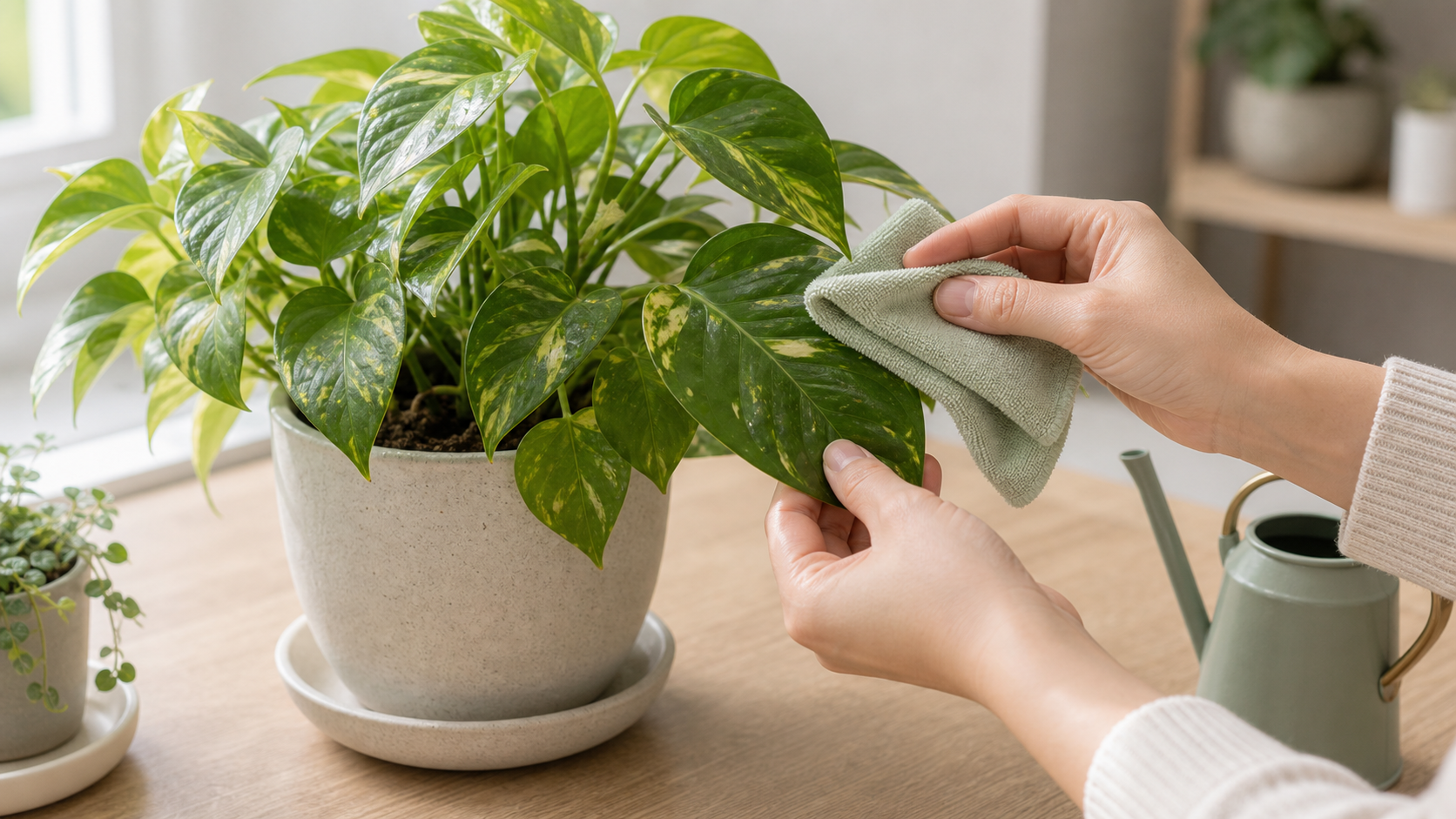
After each gardening session, follow this cleanup procedure: First, rinse hands and any skin areas that may have contacted sap with clean water. Second, check clothing for plant debris or sap stains; if found, change and wash immediately. Third, wipe down used tools and return them to their designated locations. Fourth, clean up scattered soil, fallen leaves, or broken branches from the floor, paying special attention to checking corners and crevices for dropped small parts or seeds. Finally, ensure the area around plants is dry and clean to prevent children from slipping or accidentally ingesting foreign objects.
Daily Observation and Response Measures
Parents should observe daily whether new fallen fruits, broken branches, or forgotten tools appear in children's activity areas. When introducing new plants for the first time, place them in rooms less frequented by children for one to two weeks to observe for any abnormal reactions before adjusting placement. If a puncture wound or skin contact occurs, immediately rinse the affected area with water; for puncture wounds, carefully remove them with sterilized tweezers, and seek medical attention promptly if the situation is severe. Establish an emergency contact list including nearby hospital emergency numbers and poison control hotlines for quick reference in case of accidents.
Cultivating Children's Safety Awareness
As children grow older, appropriate plant safety education becomes equally important. Use simple, easy-to-understand ways to tell children which plants are "for viewing only, not touching," and explain why. When participating in age-appropriate gardening activities, ensure they wear children's gardening gloves and use safe scissors. In the long term, cultivating respect for plants and reverence for nature is more effective in reducing accidents than simply prohibiting contact.