
Overview
Choose soft supports, locate proper attachment points, and develop routine inspection habits to prevent bruising, girdling, or excess moisture on stems.
This article explains how to stake climbing plants without damaging stems, covering material selection, attachment techniques, common mistakes, and daily maintenance practices to help gardeners support growth while protecting vulnerable stem tissue.
Why Staking Approach Matters
The stems of climbing plants serve as the primary channels for water and nutrient transport, as well as the main sites for gas exchange with the external environment. When supports are too rigid, ties are too tight, or materials are non-breathable, stems can easily develop pressure marks, constriction wounds, or decay. Many beginners notice their plant leaves turning yellow or stem nodes showing indentations shortly after installing supports—these are often early warning signs of support-related damage. Gentle staking methods not only guide plants upward healthily but also extend the lifespan of supports, reducing the frequency of repotting and pruning.
Three Principles for Choosing Support Materials
First, the material surface must be smooth and free of splinters. Bamboo poles or wooden stakes with rough or cracked surfaces can easily scratch stem bark when the plant sways. It is recommended to use sanded or professionally polished bamboo poles, or directly purchase commercially available smooth coir rods or moss poles. Second, the material should have some flexibility. Flexible yet non-brittle materials (such as soft wood strips or woven vines) can slightly adjust angles as the plant grows, reducing rigid pressure on stems. Third, prioritize breathable and moisture-permeable covering layers. Jute rope, coconut fiber rope, or specialized plant ties are more breathable than plastic ties, allowing moisture around stems to evaporate quickly and preventing prolonged dampness that leads to soft rot.
Step-by-Step Attachment Point Selection
Begin by observing the main stem's growth direction and internode spacing. The attachment point should be located approximately one centimeter above the stem node (where the stem meets the petiole), as this region has relatively sturdy tissue that can bear pulling force without deforming easily. Avoid tying directly at the center of a stem node, as this is where nutrient transport is concentrated, and pressure here can easily cause indentation. Next, when tying, leave a gap roughly the width of one finger—too tight will impede lateral stem thickening, while too loose cannot provide effective support. For delicate new shoots, wrap the stem section with soft cloth or foam paper before tying, serving both as cushioning and protection.
Four Common Mistakes to Avoid
The first mistake is using thin wire or plastic ties wrapped directly around stems. These materials lack elasticity and will create deep constriction marks over time, potentially blocking sieve tube function. The second mistake is fixing the support too close to the root zone. Soil around roots expands and contracts after watering, and if the support base directly contacts the root area, swaying will tug at roots and cause damage. The third mistake is insufficient support height, forcing plants to grow horizontally instead of climbing upward. Supports should be at least 20 centimeters taller than the plant's intended final height, providing adequate growth margin. The fourth mistake is tying all stems and vines at once. Climbing plants usually need gradual guidance—completing tying in two or three stages allows stems time to adjust and adapt.
Inspection and Adjustment in Daily Care
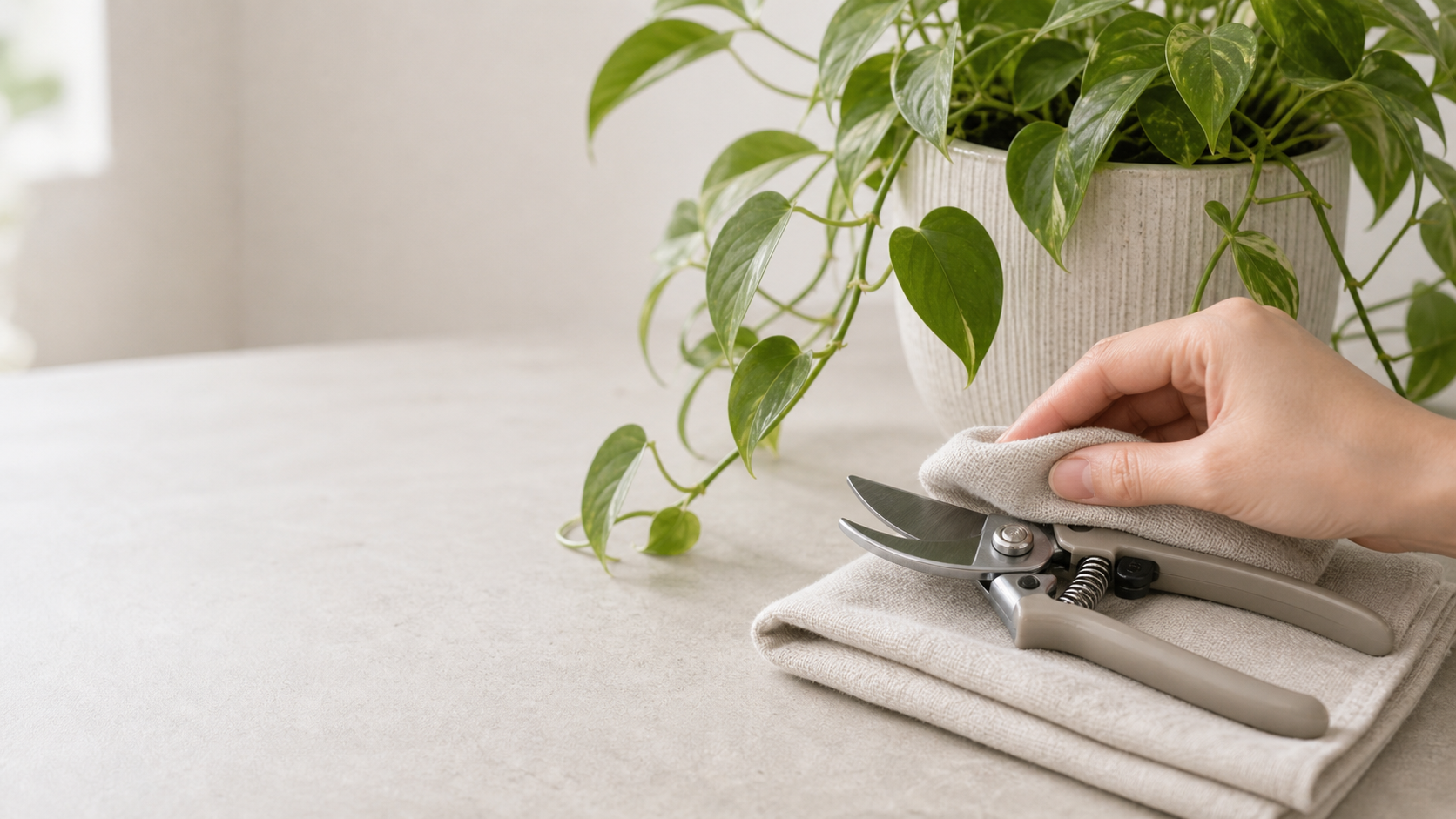
It is recommended to inspect attachment points every two weeks. Watch for any discoloration, indentation, or oozing on stems—if abnormalities are found, immediately loosen and relocate the tie. Seasonal changes affect plant growth rate significantly—during the vigorous growth season in spring and summer, restaking may be needed every ten days, while in the dormant period of autumn and winter, inspection frequency can be reduced. When repotting or changing supports, gently tilt the plant and support the stem base with both hands, avoiding pulling. When removing old ties, handle gently—use small scissors to cut if necessary rather than pulling hard, preventing stem bark from tearing along with the tie.
Flexible Handling of Special Situations
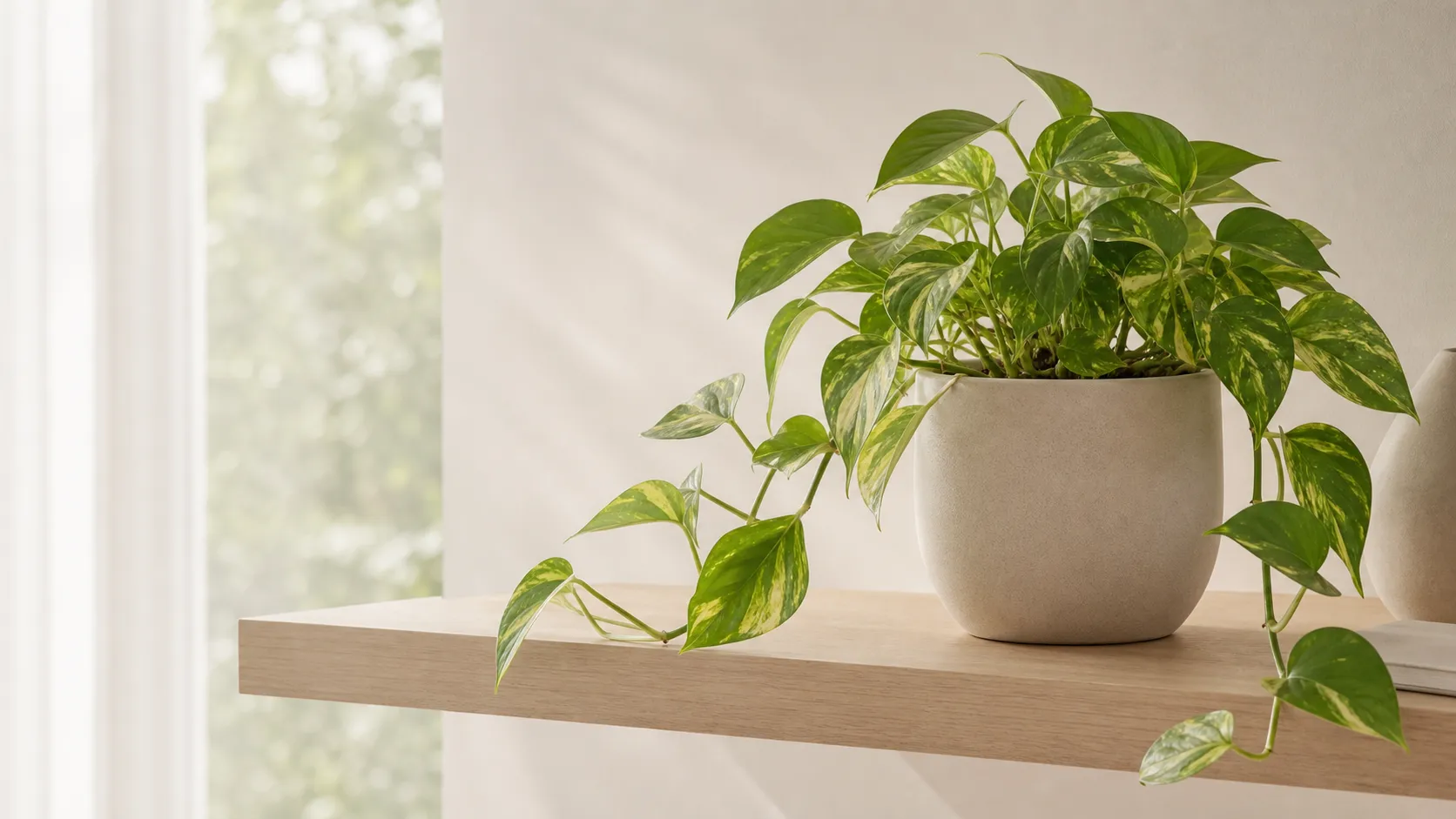
For plants with slight constriction marks already formed, do not rush to loosen all old ties at once. Loosen only the section with the constriction mark, allowing the stem to recover for one to two weeks before re-attaching at a new location. For climbing plants with multiple main stems or abundant branching (such as pothos, spider plant, English ivy), it is advisable to use several small supports for each main stem rather than forcing all stems together on one thick support, which distributes pressure and reduces single-point damage risk. For flowering climbing plants (such as wax flower, jasmine stephanotis), be especially careful to avoid flower bud nodes when tying, preventing flower buds from dropping due to mechanical pressure.
Conclusion: Gentle Support, Lasting Health
The core principle for staking climbing plants is "gentle guidance, dynamic adjustment." Choose smooth, breathable materials; tie loosely but securely above stem nodes approximately one centimeter from the bark; and conduct routine inspections every two weeks, adjusting positions according to growth status. By developing these simple habits, your climbing plants can grow upward with stable support, maintain healthy intact stems, and increase their ornamental value.