
Overview
Observe First, Act Later: A Systematic Approach to Diagnosing Four Common Houseplant Issues
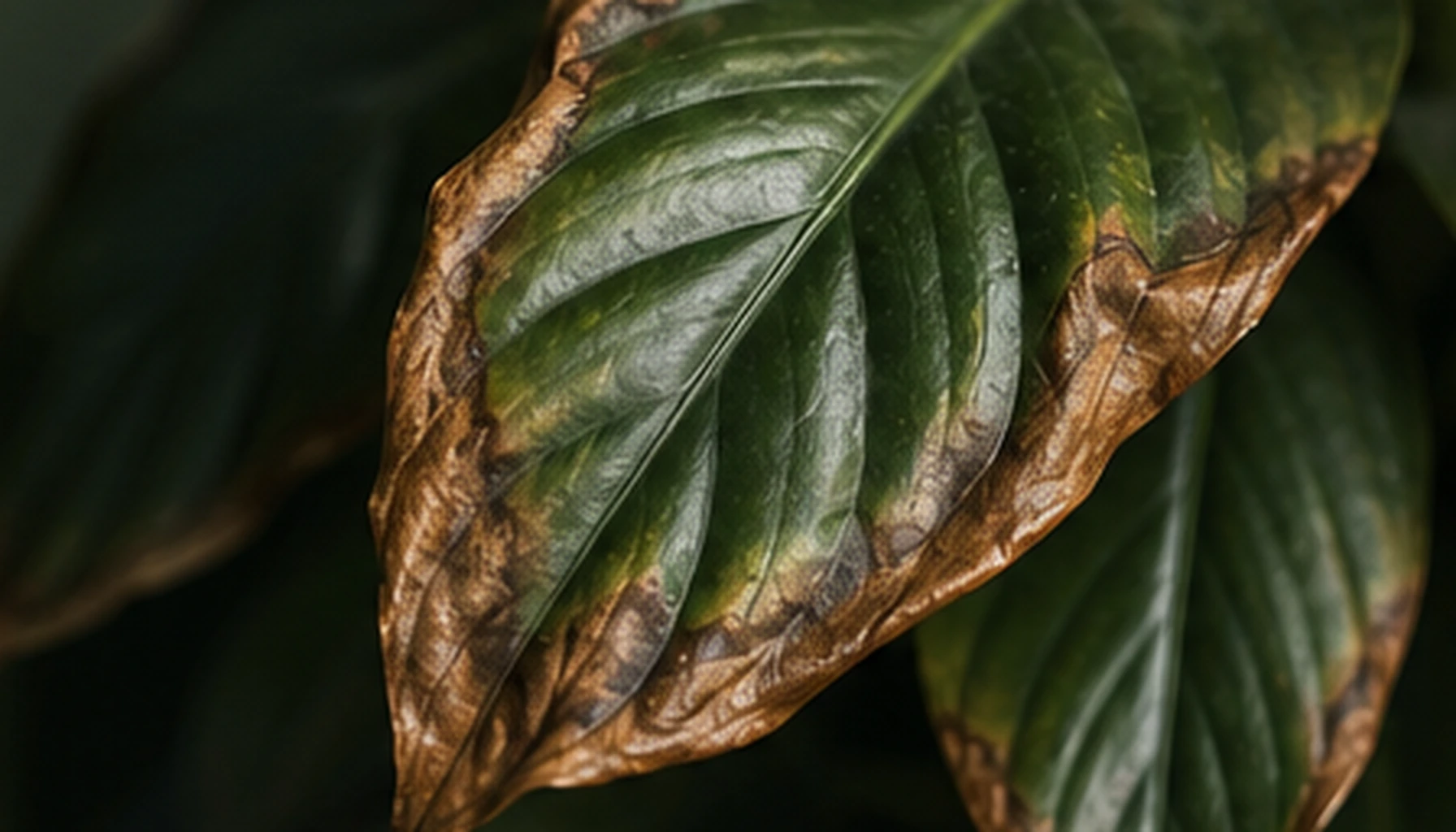
Brown leaf tips and crisp edges rank among the most common aesthetic issues in indoor plants, often tempting caregivers to take immediate remedial action that can backfire when multiple variables change simultaneously. This article guides readers through systematic observation to clearly distinguish four primary causes—salt buildup, dry air, inconsistent watering, and heat stress—enabling targeted adjustments only after the root cause is identified, thus avoiding blind interventions that could cause secondary plant stress.
Observation and Recording: The First Step in Diagnosis
When discovering brown tips or crisp edges on your plant, the first response should not be immediately changing your care routine, but rather grabbing a notebook to observe and record. Document the following: whether affected leaves are new or old, whether browning starts from the tip or edge, whether the browned area feels wet or dry, the plant's specific location (near windows, heaters, or air conditioning vents), whether the plant has been moved recently, the timing and amount of the last watering, and whether fertilizer has been applied recently. This information will become the critical basis for subsequent diagnosis.
Salt Buildup: The Crisis Behind White Residue
Salt accumulation is one of the common causes of leaf tip burn. Observe whether white or grayish-white crystalline deposits appear on the soil surface or pot edges—these are clear signs of fertilizer or mineral residue. Excessive salt disrupts the root system's ability to absorb water and nutrients, leading to drying and browning of leaf tips and edges due to insufficient nutrient transport. To check, gently scratch the soil surface and smell it; a noticeable pungent odor increases the likelihood of heavy salt accumulation.
Dry Air: The Hidden Killer in Winter Indoor Spaces
During winter heating in northern regions, indoor relative humidity often drops below 30%, far below the 50% to 60% comfort range most tropical plants require. Dry air causes rapid moisture evaporation from leaf edges and tips, meaning even with adequate soil moisture, plants can still develop crispy browning. To determine if dryness is the cause, observe whether the browned areas are dry and brittle, whether leaves are simultaneously curling, and whether problems concentrate in winter or during heating and air conditioning seasons.
Inconsistent Watering: The Harm of Feast or Famine
Irregular watering leads to root damage and water absorption disorders from alternating wet and dry conditions. Observe the soil moisture distribution inside the pot; if the surface is dry while the bottom is waterlogged, your watering method has problems. Another common situation is when only small amounts of water are applied each time, leaving roots perpetually in shallow, dry soil while deeper roots cannot access water. This uneven moisture distribution directly manifests as leaf tip and edge browning.
Heat Stress: Invisible Temperature Damage
Heat stress is often overlooked but causes significant damage to leaves. When plants are placed near radiators, heaters, or sun-facing windows (glass temperatures can exceed 50°C in summer), leaf tissues suffer damage from high temperatures. Heat stress-induced browning typically appears on leaves facing the heat source, with larger browned areas and unclear boundaries. Checking whether the plant is positioned too close to heat sources is the key step in diagnosing this issue.
Priority Investigation Steps: Check Before Acting
After completing your observation records, investigate in the following priority order: First, check whether salt crystals appear on the soil surface and drainage holes; if present, use the soaking method (submerging the pot in clean water for 15 to 20 minutes) to flush the soil. Second, use a hygrometer to measure the ambient humidity around the plant and determine if humidification is needed. Third, review your watering records from the past two weeks and assess regularity. Finally, check the distance and orientation between the plant and heat sources. Each investigation should reach a clear conclusion, avoiding speculative judgment.
Avoiding Simultaneous Multiple Variable Changes
A common mistake many caregivers make is taking multiple actions simultaneously after discovering problems—increasing watering frequency, applying fertilizer, and relocating the plant all at once. This approach complicates matters, making it impossible to determine which measure is effective or harmful. The correct approach is to select the most likely cause for a single adjustment, then wait at least one to two weeks to observe the plant's response. Only after confirming the current adjustment is ineffective should you proceed to the next adjustment. Although this methodical approach seems slow, it effectively prevents secondary plant stress.
Monitoring Changes and Subsequent Adjustments
After each adjustment, continuously observe for at least seven to ten days, recording whether new leaves are emerging, whether existing browning has stopped spreading, and whether overall plant vitality is improving. If new problems appear after adjustment (such as yellowing or wilting), immediately review recent changes and determine whether overcorrection has occurred. Healthy plant leaf growth rate is approximately one new leaf every two to four weeks; noticeably slowed or stagnant growth often means the care routine still has issues requiring correction.