
Overview
Distinguishing low-light stress signals from healthy growth so every plant gets what it truly needs
This article helps readers learn to observe the true state of plants under different light conditions, distinguish key indicators of "merely surviving" versus "healthy growth," and provide practical light adjustment solutions. Through specific observation methods and actionable advice, even novice gardeners can accurately determine if their plants need more light.
Why Light Is the Primary Factor for Plant Health
When caring for indoor plants, light is often the most overlooked yet critical factor. Many novice gardeners place plants arbitrarily in room corners, believing that regular watering alone will keep them alive. However, insufficient light causes plants to enter a state of "merely surviving"—they won't die immediately but will gradually lose vitality, eventually becoming vulnerable to disease.
Plants convert light energy into growth energy through photosynthesis. When light is insufficient, photosynthesis efficiency decreases, and plant growth rate slows noticeably or even stops entirely. It's like a person suffering from chronic malnutrition—the surface may show no obvious problems, but bodily functions are already declining.
Observation Indicators: How Plants Behave in Low-Light Environments
To determine if a plant is under low-light stress, observe it from these aspects:
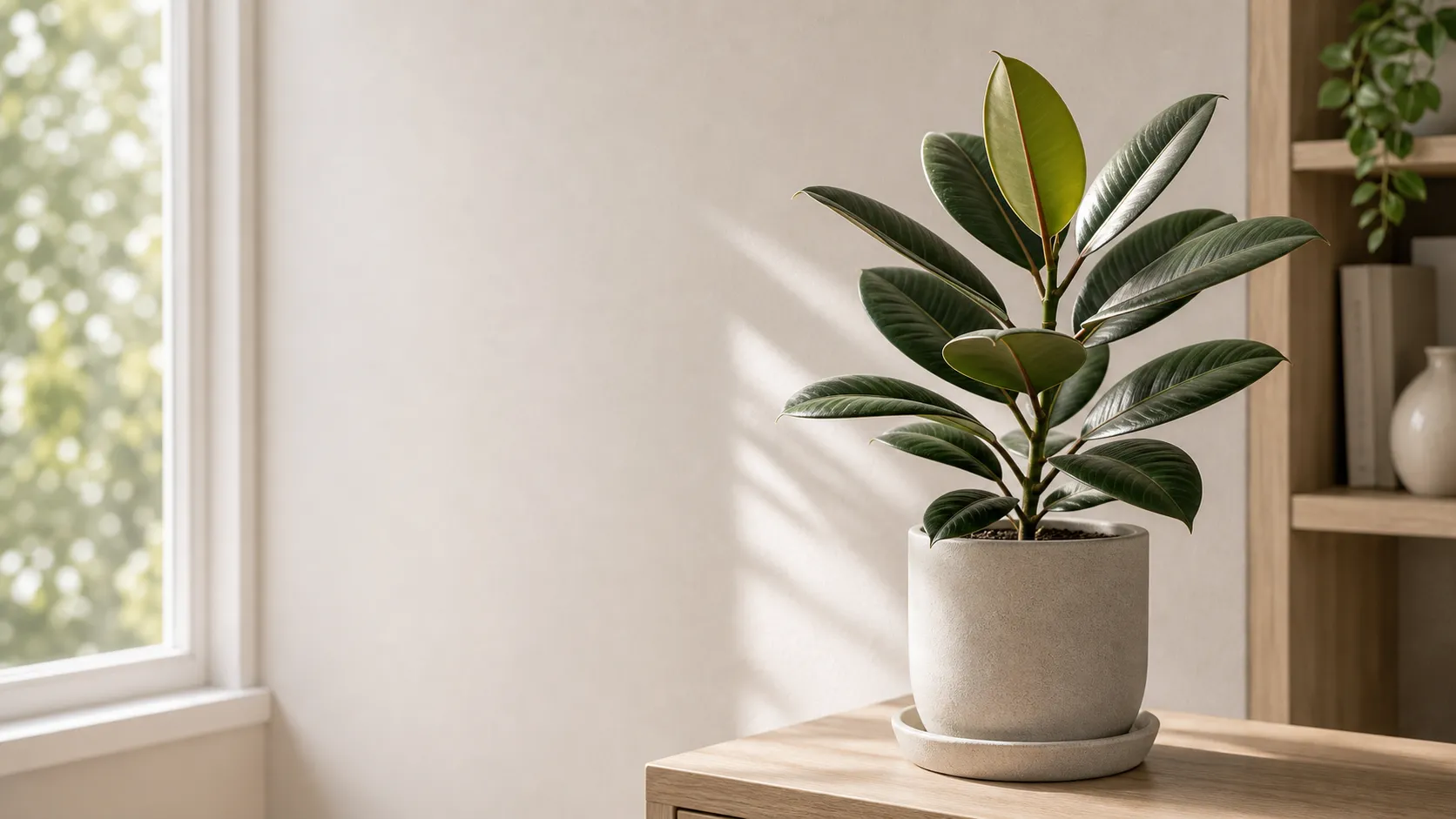
Leaf Color and Condition: Healthy plants have vivid green leaves with a natural shine. When light is insufficient, leaves gradually fade from deep green to light green or yellow-green. Leaf texture also changes, becoming thinner and softer, losing应有的厚度和韧性. If you notice new leaves are paler than older ones, this is typically an early signal of insufficient light.
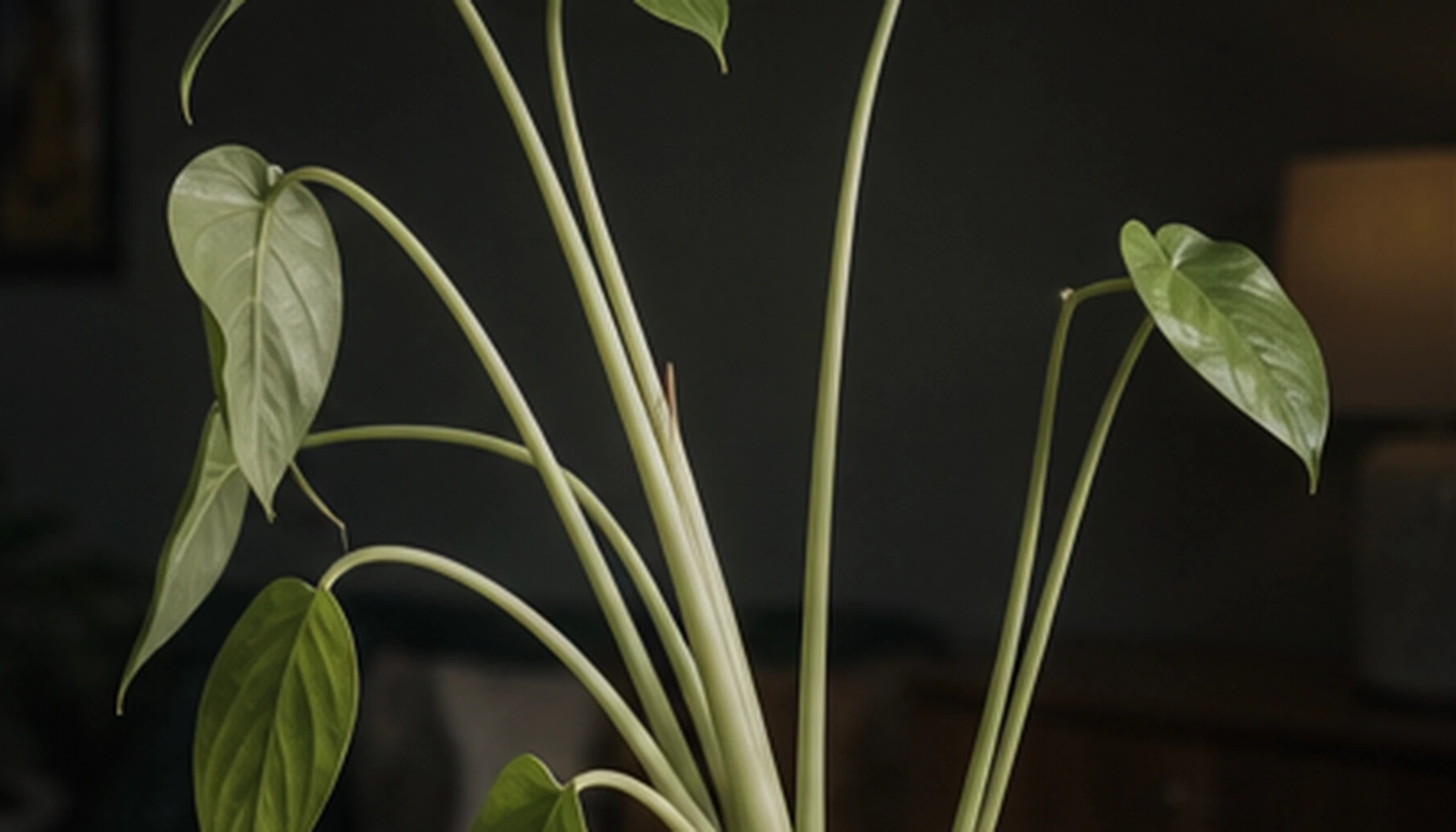
Growth Direction and Form: Plants have phototropism and will instinctively grow toward light sources. In low-light environments, stems become thin and weak in a phenomenon called "etiolation." The spacing between leaves (internodes) increases significantly, and the compact plant form becomes loose. Some climbing plants will seek light sources, with stems and leaves tilting toward windows.
Changes in Growth Rate: The most obvious indicator is observing whether the plant's growth rate has noticeably slowed. If your plant has produced few or no new leaves over the past 1-2 months, or if new leaf growth is very slow, light may be insufficient to support normal growth. Note that different plants have varying growth rates, so use that specific plant's normal growth performance as a reference.
First Step: Create a Light Observation Journal
Before making any adjustments, it's recommended to conduct systematic observations of your plants for 2-4 weeks. Prepare a small notebook or phone notes to record:
This record helps you accurately assess plant condition and observe improvement effects after adjustments. Remember that plant changes are gradual—don't expect obvious improvements within one week.
- Weekly new leaf count and size
- Subtle changes in leaf color
- Stem thickness and internode spacing
- Overall plant vigor (wilting or upright)
Common Mistakes to Avoid
Mistake 1: Suddenly moving plants to strong light. This causes plants adapted to low-light environments to suffer "light burn," with leaves developing brown spots or fading. Light adjustments should be gradual, allowing plants time to adapt.
Mistake 2: Judging light intensity purely by personal feeling. The human eye's perception of light intensity is inaccurate. A dark living room corner may seem bright enough for humans, but for plants requiring abundant light, it's "darkness." Using a light meter app on your phone or purchasing a professional lux meter helps you obtain objective data.
Mistake 3: Ignoring seasonal changes. Winter brings lower sun angles and shorter daylight hours, so even in the same location, light intensity can drop significantly. Many plants growing slower in winter is normal, but if condition deteriorates sharply, they may need supplemental lighting.
Next Actions: Adjusting Light Based on Observations
Once you confirm the plant is indeed under low-light stress, take these measures:
Repositioning is the most direct method. Move plants from dark corners to locations near windows, but be careful to avoid damage from direct sunlight. For most indoor plants, east or north-facing window diffused light is ideal. If you can only place them near south-facing windows, ensure the plant maintains some distance from the window or use sheer curtains to filter intense light.
Use artificial light sources for supplementation. If the room's natural light truly is insufficient, consider using grow lights. LED grow lights are economical choices for home use, providing the light spectrum plants need. Supplementing 4-8 hours of artificial light daily often helps low-light plants regain vigor.
Rotate plant positions regularly. Even in well-lit locations, different sides of the plant receive uneven light. Rotate pots 90 degrees every 1-2 weeks to ensure even light exposure and promote balanced growth.
Follow-up Changes to Observe
After adjusting light, patiently observe the plant's response. Within about 2-4 weeks, you should see these positive changes:
New leaves become more vibrant, showing healthy deep green color; growth rate begins to recover, with increased frequency of new leaf emergence; stems gradually thicken, internode spacing normalizes; leaf texture becomes thicker and more resilient.
If these improvements appear, your adjustment direction is correct—continue maintaining the current light conditions. If plant condition doesn't improve or even worsens, other factors (such as watering, fertilizer, temperature) may be problematic, requiring comprehensive investigation.
Remember that plant care is a continuous process of observation and adjustment. By learning to read the signals plants send, you become a true "plant translator," enabling every plant to thrive in its optimal environment.