
Overview
Optimal Positioning for Snake Plants in Korean Apartments with Winter Heating and Low Natural Light Conditions
This guide is specifically designed for Korean residential environments, helping you find the best placement for your snake plant under limited light conditions while avoiding cold drafts and thermal stress from ondol floor heating. Through analysis of common Korean heating systems and apartment layouts, practical placement recommendations are provided.
Environmental Challenges for Snake Plant Placement in Korean Homes
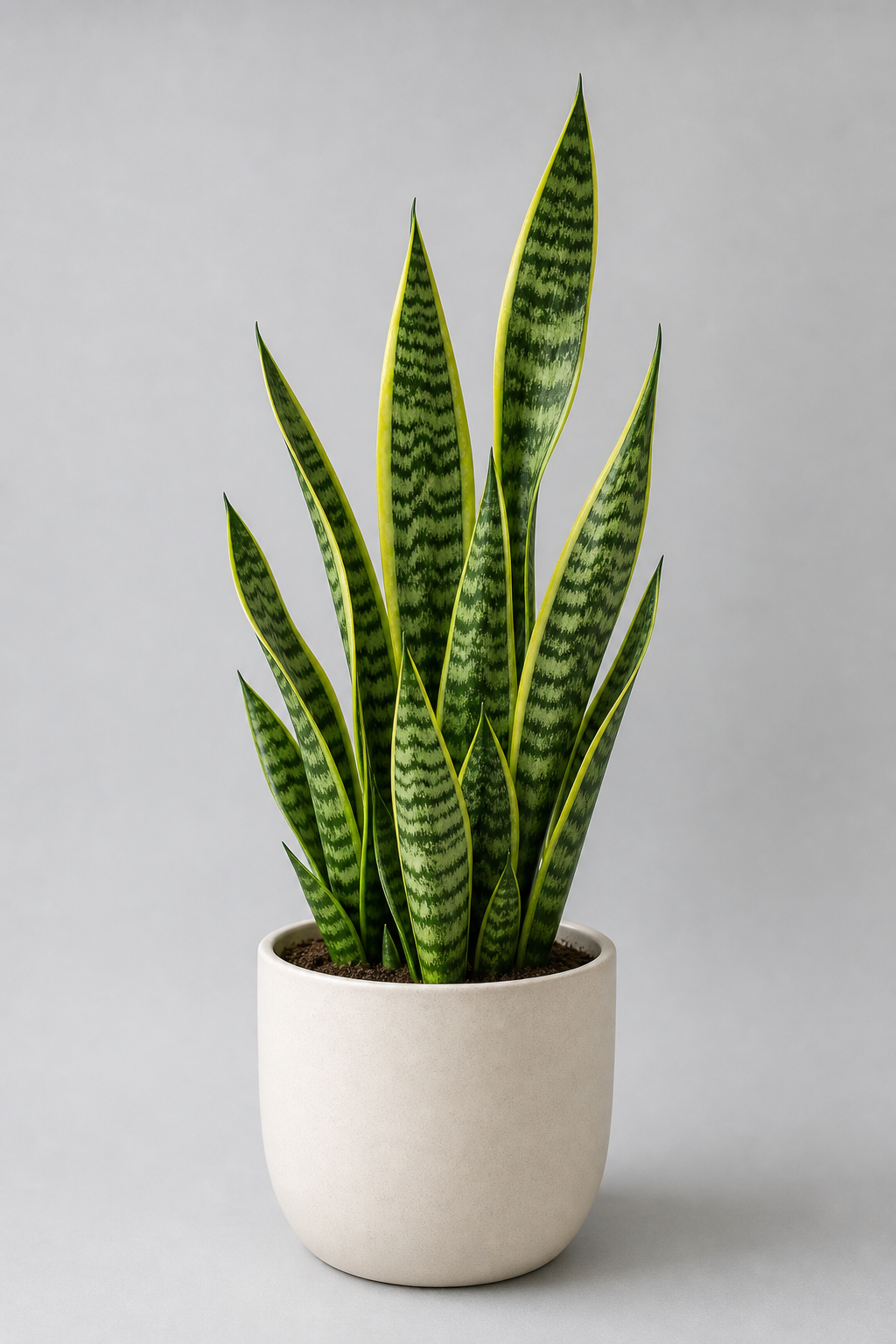
The snake plant (scientific name: Dracaena trifasciata) has become one of the most popular indoor plants in Korean households due to its exceptional adaptability and low maintenance requirements. However, Korean living environments have unique characteristics, particularly regarding winter heating and building structures, which present distinct challenges for snake plant placement.
Characteristics of Korean Apartment Environments
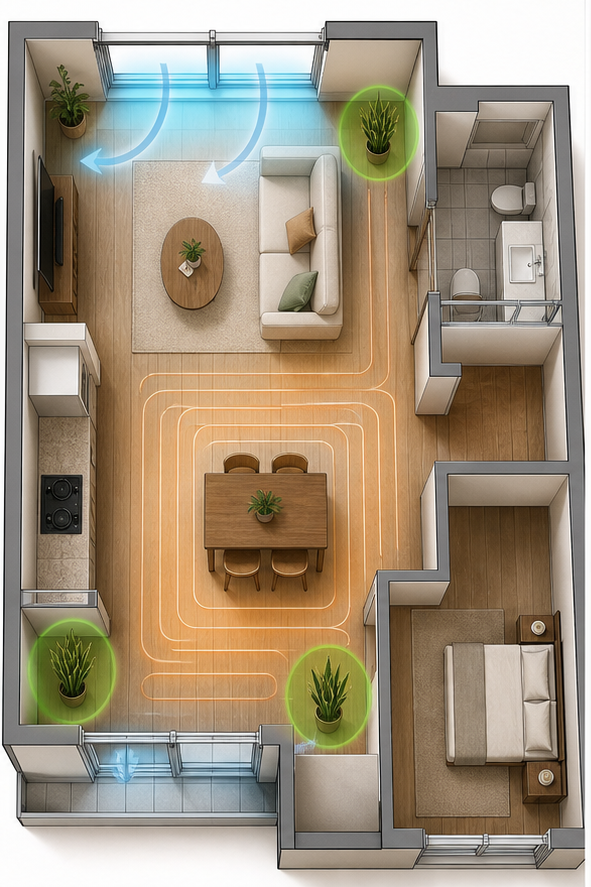
Korean homes commonly use ondol (floor heating) systems, which create warm and comfortable floors but result in dry indoor air and significantly higher temperatures near the floor compared to higher levels of the room. Additionally, Korean apartments typically have relatively small window areas, and high-rise apartment buildings often block each other's light, resulting in limited natural indoor lighting. Cold drafts seeping through window gaps during winter also pose significant threats to plant health.
Key Strategies for Cold Draft Protection
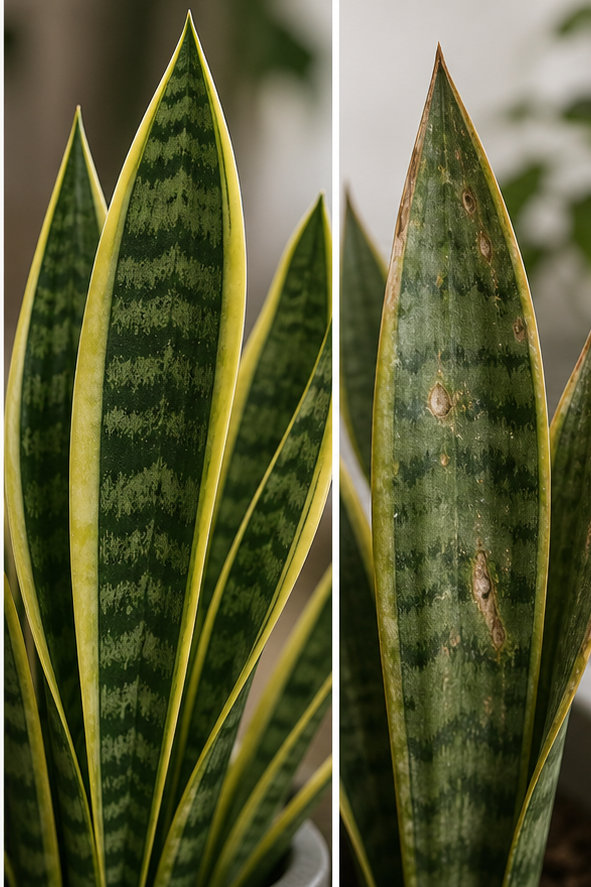
While snake plants have relatively good cold tolerance, prolonged exposure to direct cold drafts can cause water-soaked spots on leaves, and in severe cases, leaves may become soft and rot. When placing your snake plant, pay attention to the following key points:
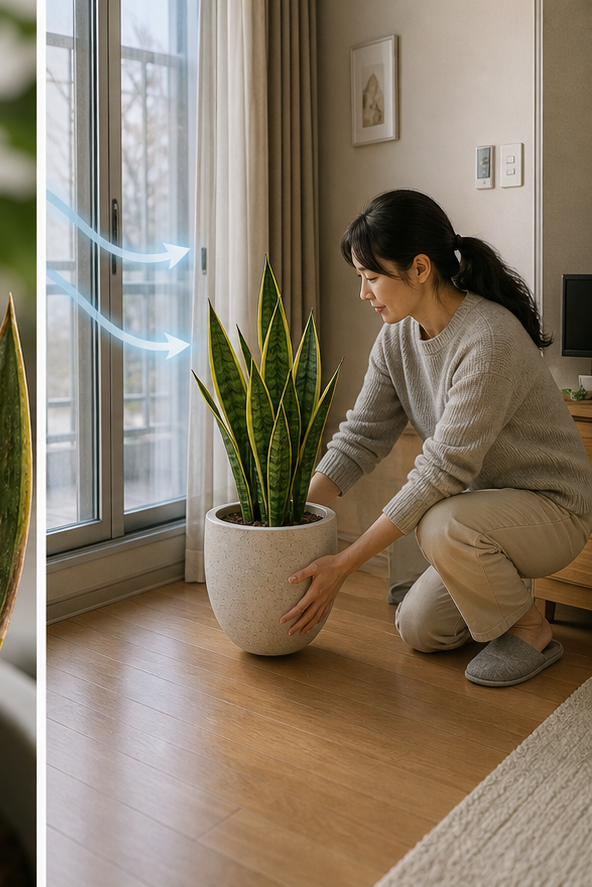
Keep Away from Window Gaps: Even with windows tightly closed, cold air can still seep through gaps. It is recommended to place snake plants at least one meter away from windows. If windows need frequent ventilation, temporarily move plants to other rooms during ventilation periods.
Use Curtains as Buffer: Thick curtains not only provide thermal insulation but also effectively block cold air seeping through window gaps. The transitional zone between curtains and windows creates an ideal location for snake plant placement.
Avoid Air Conditioner Vents: During summer cooling mode, cold air directly blowing from air conditioner vents can cause snake plant leaves to lose water and dry out. If the AC direction cannot be adjusted, move plants to corners unaffected by cold air currents.
Placement Techniques in Ondol Environments
Although ondol floor heating creates warmth and comfort, it brings potential heat stress risks for snake plants. Floor heating elevates the temperature at the bottom of the pot, which can cause root heat damage.
Use Stands for Heat Insulation: Placing snake plants on plant stands approximately 40 to 60 centimeters high can effectively prevent the bottom of the pot from directly contacting the heated floor. Wooden plant stands offer superior natural heat insulation properties.
Rotate Placement Positions: If there is only one heated floor area in your home, it is recommended to rotate the snake plant to different locations weekly, preventing roots in the same area from experiencing sustained heat exposure. During particularly dry winter periods, place a layer of pebble pebbles under the pot with water in the tray to increase surrounding air humidity.
Never Place Directly on Heated Floors: Never place snake plant pots directly on ondol floors. Even brief placement during winter can cause root heat damage.
Solutions for Low Light Conditions
Korean apartments generally have less ideal lighting conditions compared to detached houses, especially for families living on middle floors of high-rise buildings. While snake plants are known as "shade-tolerant plants," this does not mean they completely lack light requirements.
Optimal Lighting Position Ranking:
1. Near East-Facing Windows: Gentle morning diffused light is most ideal, as it will not cause leaf burns while providing sufficient photosynthetic energy. 2. 1.5 Meters from South-Facing Windows: South-facing windows receive the strongest light, but direct sunlight on leaves should be avoided. A position about 1.5 meters from the window can receive adequate reflected light. 3. Near West-Facing Windows: Afternoon light is stronger, so using curtains for proper shading before placing snake plants is recommended. 4. Near North-Facing Windows: North-facing windows receive the weakest light and are only suitable for short-term placement. Long-term placement in north-facing positions may cause growth stagnation.
Supplemental Lighting Recommendations: If home lighting conditions are truly insufficient, consider using full-spectrum grow lights to supplement 4 to 6 hours of light daily. LED grow lights with 10 to 20 watts power are recommended, positioned approximately 30 centimeters from plant leaves.
Room-Specific Placement Suggestions
Living Room: The living room typically has the best lighting in the home and is the preferred location for snake plant placement. Place snake plants on tall plant stands next to sofas or TV cabinets to add visual interest to the space without affecting daily activities. Be careful to avoid placement in direct paths of AC or heating vents.
Bedroom: Bedroom lighting conditions are usually not as good as the living room, but snake plants release oxygen at night, making them suitable for bedroom placement. Consider placing them on bedside tables or vanities near windows, but always confirm these locations are not affected by cold window drafts.
Kitchen: Kitchen humidity from water vapor is higher, and snake plants need to keep leaf surfaces dry. Avoid placing them above sinks or near cooking areas. If the kitchen has good natural light, they can be placed near windows but will need regular leaf wiping.
Entryway (Genkan): Entryways typically have dim lighting and frequent air circulation, making them unsuitable for long-term snake plant placement. If the entryway has windows, place plants near the windowsill; otherwise, keep snake plants in more suitable locations throughout the home, using the entryway only for decorative temporary placement.
Seasonal Adjustment Key Points
Winter (November to March): Winter is the most critical period for snake plant care in Korean households. When ondol heating begins, more attention needs to be paid to pot bottom insulation and air humidity management. Additionally, since winter light is weakest, move snake plants to the brightest location in the home.
Summer (June to August): Summer heat and humidity require reducing watering frequency to prevent water accumulation and root rot. Also avoid direct air conditioner cold air exposure. During summer, snake plants can be placed in well-ventilated locations but should avoid direct sunlight.
Transition Seasons (April to May, September to October): These periods have moderate climates and are ideal times to adjust snake plant placement positions. Use this time to re-evaluate whether plant positions need adjustment.
Placement Location Health Check List
After determining your snake plant's placement location, it is recommended to conduct a simple health check once weekly:
1. Observe whether leaves show signs of yellowing, wilting, or spotting 2. Check whether the soil surface is dry to determine if watering is needed 3. Touch the bottom of the pot to confirm it is not overheating 4. Observe whether new leaves are growing—this is an important indicator of plant health 5. Check leaf undersides for pest signs, especially mealybugs
Common Placement Mistakes
Mistake One: Snake Plants Completely Don't Need Light. While snake plants can survive in low light conditions, long-term lack of light can cause growth stagnation and dull leaf color. Moderate diffused light allows snake plants to maintain optimal growth state and ornamental value.
Mistake Two: Placing Near Radiators for Warmth. Although radiators provide warmth, sustained heat radiation will dry out leaves while increasing evaporation making watering frequency difficult to manage.
Mistake Three: Placing Directly Below Windows. Even during non-heating seasons, temperature fluctuations below windows are greater than other indoor locations, and cold air accumulates there during winter.
Summary Recommendations
In Korean household environments, the optimal placement location for snake plants should meet the following conditions: more than one meter from windows, avoiding direct contact with heated floors, not exposed to direct AC or heating vent air currents, and having moderate diffused light or supplemental artificial lighting. Following these principles, even Korean family apartments with limited lighting can successfully grow healthy and attractive snake plants.