
Overview
What Misting Can and Cannot Do, and How to Properly Increase Indoor Humidity
This article reveals common myths about misting indoor plants. Misting only provides temporary local humidity boosts with negligible effect on overall indoor humidity, while potentially increasing fungal disease and pest risks. True humidity management requires humidifiers, pebble trays, or plant grouping. Misting is only suitable for leaf cleaning and certain special plants.
Common Myths About Misting
Many novice gardeners believe that regular misting effectively increases indoor humidity, but this is actually a widespread misconception. When you spray water on plant leaves, the moisture evaporates within minutes, and this brief wetness has minimal effect on improving overall air humidity. Research shows that single misting sessions increase local humidity only temporarily, typically returning to original levels within 15 to 30 minutes.
More importantly, indoor plants need not constantly high humidity environments, but rather relatively stable moderate humidity. Blindly misting not only fails to achieve ideal humidity management but may also bring a series of problems.
Misting and Leaf Cleaning
Using a damp soft cloth to gently wipe leaves can effectively remove dust buildup and help plants photosynthesize better, but direct spraying cannot achieve the same cleaning effect. Dust on leaves usually requires physical contact to be completely removed.
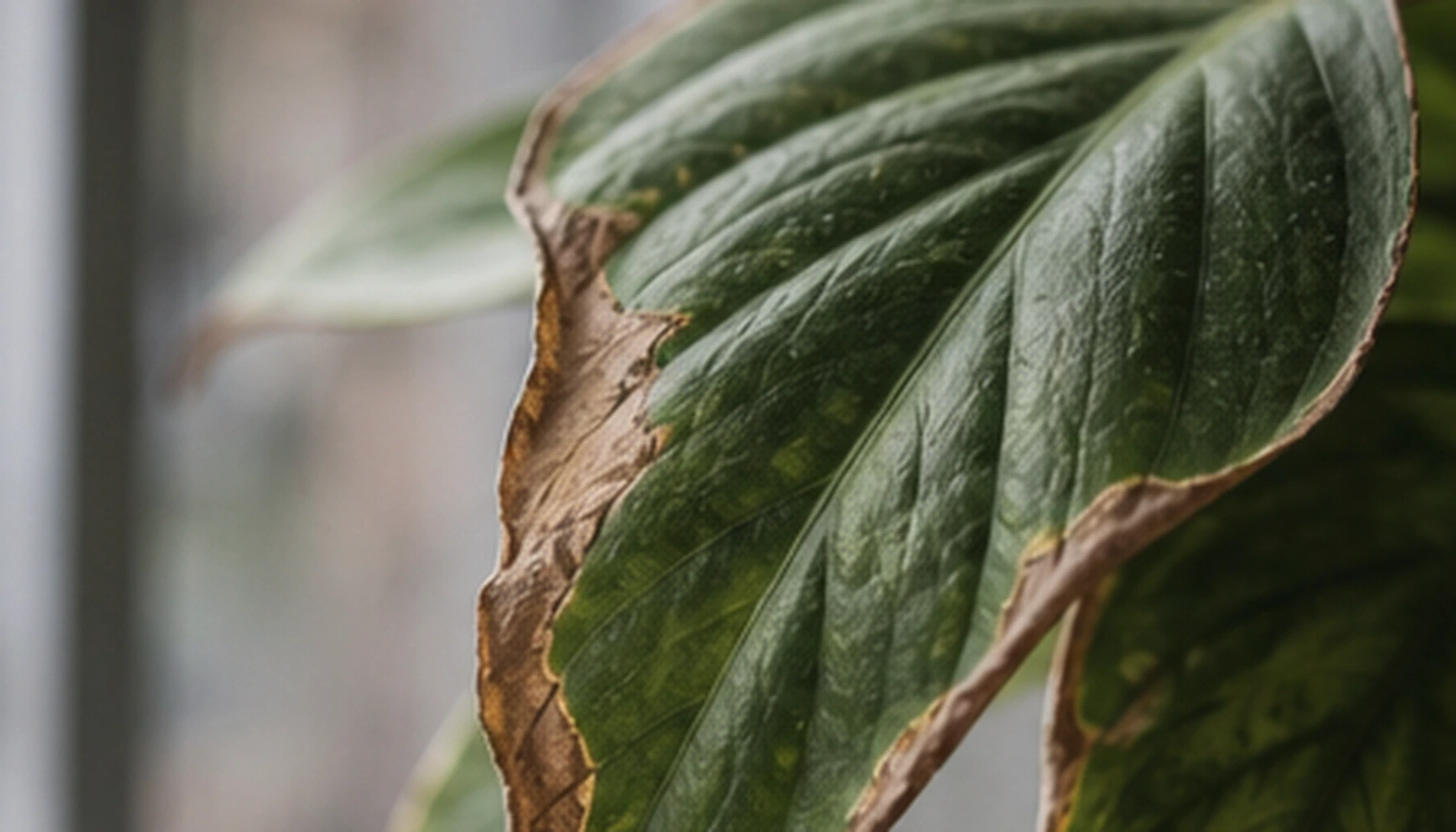
Conversely, if leaves frequently remain moist, especially at night, this significantly increases the risk of fungal infections. Common leaf spot disease and gray mold both thrive in moist environments. Many foliage plants have natural waxy sheens, and frequent misting can leave unsightly water spots and white marks on leaf surfaces, diminishing their ornamental value.
Disease and Pest Risk Assessment
Humid environments are breeding grounds for many indoor pests. Continuous leaf surface misting can lead to infestations of spider mites, aphids, and whiteflies. These tiny organisms need moisture to sustain their life activities and reproduction, and leaf water droplets serve as ideal habitats for them.
For most indoor plants, keeping leaves dry and ensuring good air circulation are key measures for pest and disease prevention. If you notice water-stained spots, yellowing leaf edges, or web-like substances on leaves, immediately reduce misting frequency and check for pest activity.
When Misting Is Beneficial
Although misting has many limitations, it can still play a role in specific circumstances. Lightly misting leaves with an ultra-fine spray bottle, then gently wiping with a soft damp cloth, can effectively remove dust and grime. For special plants like bromeliads, misting can directly supplement water to their basal rosette tanks. Some cacti and succulents can also receive modest hydration through light misting during summer.
But remember, these situations are specific needs and should not serve as primary daily care methods. After each misting session, ensure good air circulation and avoid water pooling in leaf centers or at leaf bases for extended periods.
Scientific Humidity Management Methods
If your indoor environment is indeed dry and needs humidity improvement, the following methods are more effective: using a humidifier maintains stable and controllable humidity levels; pebble trays with water are simple and economical solutions where water evaporation increases local humidity; grouping humidity-loving plants together creates a microclimate utilizing their collective transpiration; transparent domes or glass growing cabinets can create localized high-humidity environments for plants that need it.
Ideal indoor humidity should be maintained between 40% and 60%. Both too high or too low will affect plant health. Consider investing in a digital hygrometer to monitor environmental changes.
Observation and Adjustment
Pay attention to leaf changes during daily care. If leaves show water spots, white marks, or brown spots, misting may be too frequent or excessive; if pest signs appear, immediately stop misting and improve ventilation; when the indoor environment is chronically dry, use a hygrometer to monitor data and decide whether supplemental humidification is needed.
Remember, misting can only be used as an auxiliary measure. Truly healthy indoor plants require comprehensive light management, proper watering, adequate nutrient supplementation, and good air circulation—not reliance on frequent misting.