
Overview
Master the principles and techniques of bottom watering to keep roots healthily absorbing water while avoiding salt buildup and pest issues
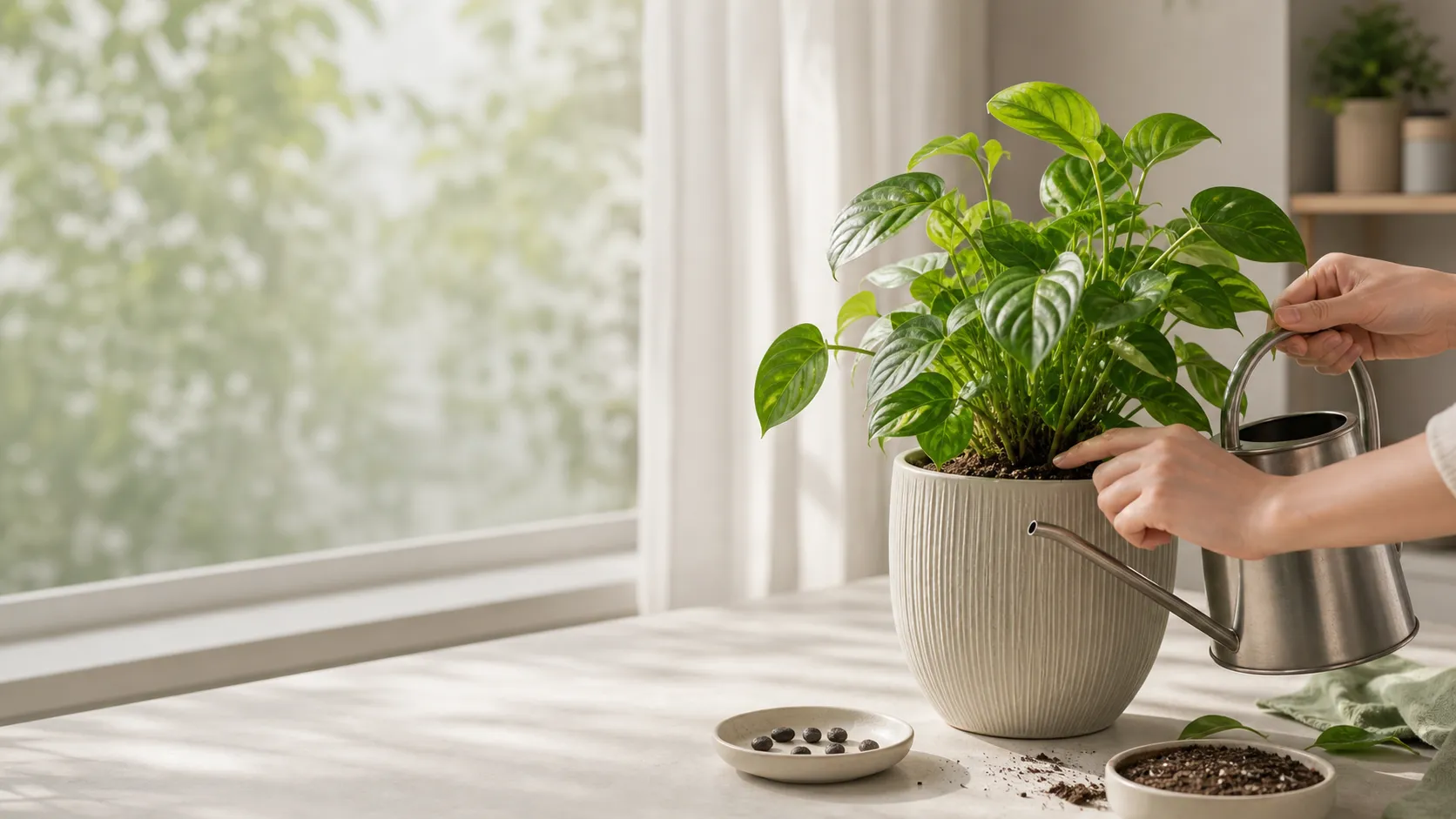
Bottom watering is a method of placing plant pots in a water tray so plants can absorb water on their own. It works well for plants that need deep root development. However, without proper timing and technique, it can lead to salt buildup on the soil surface, attract fungus gnats, or cause excessive moisture. This article explains the science behind bottom watering, when to use it, its potential risks, and correct operating procedures to help indoor gardeners use this technique safely and effectively.
What Is Bottom Watering?
Bottom watering, also known as the soaking method, involves placing a pot with drainage holes into a tray or shallow basin filled with water, allowing moisture to rise through the soil via capillary action. This method mimics how plants absorb groundwater in nature, contrasting sharply with traditional top-down watering. During bottom watering, water is first absorbed by the denser root area at the pot's bottom, then gradually spreads upward until it reaches the surface soil.
For many indoor foliage plants and succulents, bottom watering ensures an even water distribution throughout the root zone, avoiding the common problem of uneven moisture distribution seen with traditional watering—where the surface soil is wet but the bottom is dry, or vice versa.
Main Advantages of Bottom Watering
First, bottom watering effectively promotes downward root growth. When plants need to search for water sources, roots naturally extend toward the pot's bottom, helping form strong, well-developed root networks. Robust root systems not only improve the plant's ability to absorb water and nutrients but also enhance overall plant stability.
Second, this method reduces the chance of leaves and stems getting wet. Many indoor plants like African violets and spider plants develop rot or spotting diseases when leaves remain wet for extended periods. Bottom watering completely avoids water contacting the plant's above-ground parts.
Third, for pots using loose,颗粒 soil mixes, bottom watering allows the soil to fully saturate without disrupting soil structure. During traditional watering, water flow may scatter lightweight soil particles, causing compaction or nutrient loss.
Problems Bottom Watering May Cause
Despite its many advantages, bottom watering can cause problems if done incorrectly. One common issue is salt buildup. When using hard water or water high in calcium and magnesium for bottom watering, minerals left behind after water evaporation gradually crystallize on the soil surface, forming white salt deposits. These salts not only affect soil透气性 but may also burn root tips, causing leaf edges to turn yellow or brown.
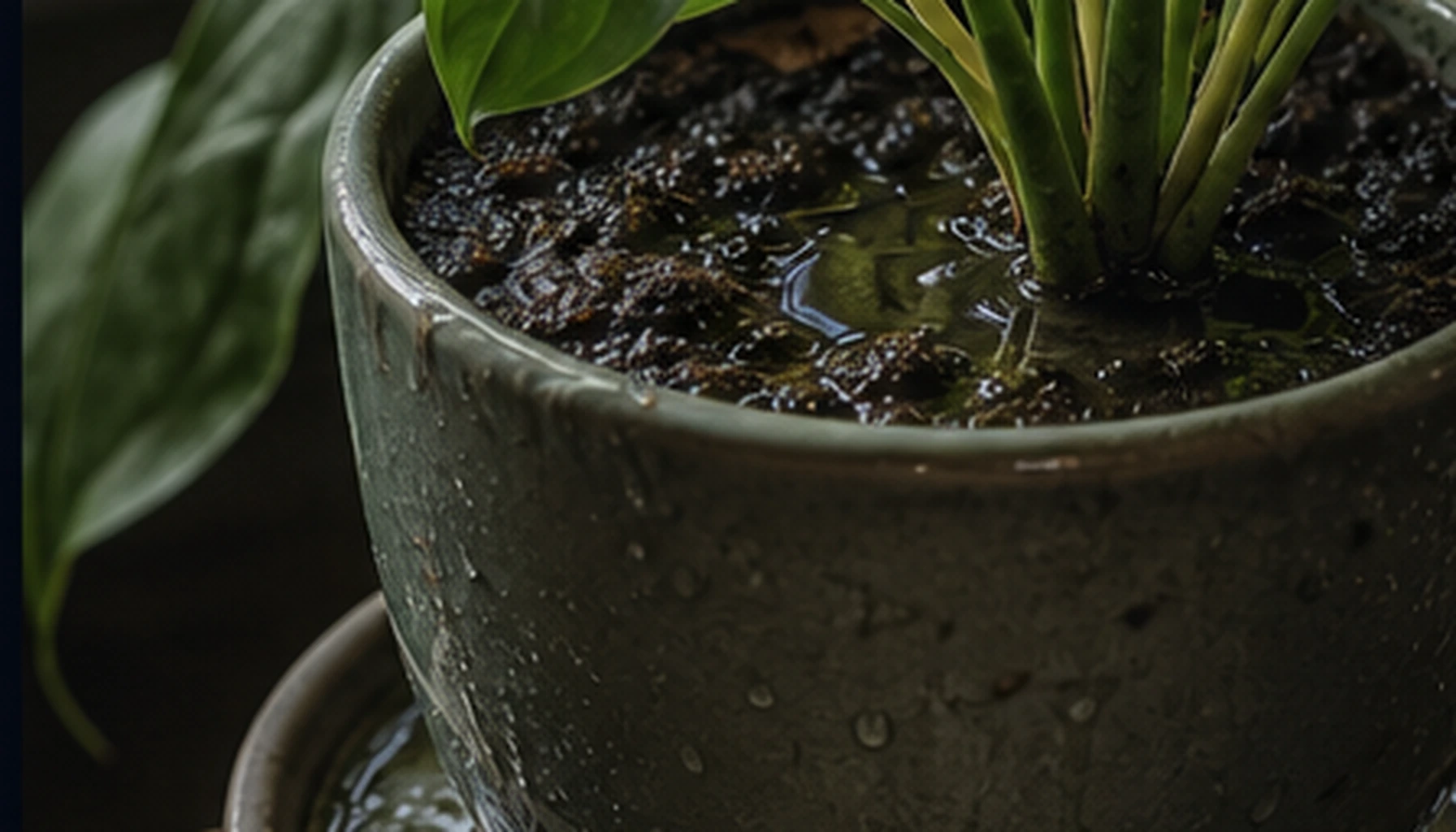
Another concern is excessive moisture leading to fungus gnats. After bottom watering, if water remains in the drainage tray for extended periods, or if plants absorb water for too long keeping the soil consistently saturated, it creates ideal breeding conditions for fungus gnats. These small flying insects feed on organic matter and fungi in the soil, and their larvae feed on roots, further weakening plant health.
Additionally, some flood-sensitive plant varieties (such as certain succulents and cacti) are particularly sensitive to bottom watering, and prolonged soaking may cause root rot. Therefore, understanding each plant's water needs is a prerequisite for safely using bottom watering.
Correct Bottom Watering Procedure
Step one is observing soil condition. Before bottom watering, insert your finger about two centimeters into the soil to check moisture. Only proceed when the soil is clearly dry and the pot feels lighter. If the surface soil is still moist, postpone the operation.
Step two is preparing an appropriate water tray. Choose a tray slightly larger than the pot's bottom to ensure water level can reach the drainage holes. Trays that are too large may cause water to contact the pot walls for extended periods, potentially damaging roots around the pot perimeter.
Step three is controlling soaking time. After placing the pot in the water tray, wait typically between fifteen to thirty minutes. Specific time depends on pot size, soil type, and plant species. The判断标准 is observing the soil surface: when moisture begins appearing on the surface, bottom watering is sufficient. Place a timer next to the tray to avoid forgetting and soaking too long.
Step four is draining excess water. After soaking, remove the pot from the tray and place it in a well-ventilated area, allowing excess water from the drainage holes to naturally flow out. This step typically takes ten to fifteen minutes. Never return the pot directly to decorative trays or sealed environments.
Practical Tips to Avoid Over-Moisture
The key to preventing soil from remaining overly wet after bottom watering lies in controlling two variables: soaking time and environmental ventilation. First, follow the principle of "small amounts, more frequently" rather than "one thorough soaking." If plants need more water, consider using multiple short soaking sessions—ten to fifteen minutes each, with one-hour intervals—rather than continuous soaking for thirty minutes or more.
Second, ensure the growing environment has adequate air circulation. Good ventilation accelerates surface soil moisture evaporation and reduces humidity buildup risk. This is especially important during humid rainy seasons or in winter heated rooms.
Third, choose well-aerating soil media. Even plants that prefer moisture should contain at least thirty percent perlite, vermiculite, or coarse sand particles. These particles ensure drainage while providing sufficient oxygen to roots.
When to Use Bottom Watering, When to Avoid It
Scenarios where bottom watering is recommended include: regions with long-term tap water use (hard water areas are better suited for using rainwater or purified water for bottom watering to avoid salts); plants needing promoted root depth (such as snake plants, spider plants, monstera); delicate plants with leaves sensitive to water (such as begonias, African violets); and pots where surface soil easily compacts.
Situations where bottom watering should be avoided or used cautiously include: dormant or slow-growing plants (at this time transpiration is low and water absorption ability is weak); pots already showing salt crystallization on the soil surface (should first flush salts with top watering or repot); when fungus gnat signs are present (should first address pests and control soil moisture); and plants with damaged roots or recently repotted.
The core indicators for observing bottom watering effectiveness are: within three to five days after watering, the soil surface should regain slight dryness without excessive compaction, leaves should remain upright and glossy, and new leaf growth should be normal. If leaves appear wilted but soil remains wet, root rot may be occurring; if the soil surface dries completely the day after watering and the plant shows dehydration signs, watering frequency may need increasing or the watering method may need changing.