
Overview
Soft shoots and buds attracting aphids? Stay calm, act promptly, and use gentle methods
Finding aphids on tender new shoots, young leaves, or flower buds can be alarming, but there's no need to panic. This common indoor pest issue is manageable with prompt observation and gentle treatment. Aphids multiply quickly, yet early intervention can effectively bring them under control. This guide walks you through identifying aphids, taking quick action, and preventing recurrence to help your plants recover safely.
How to Identify Aphids
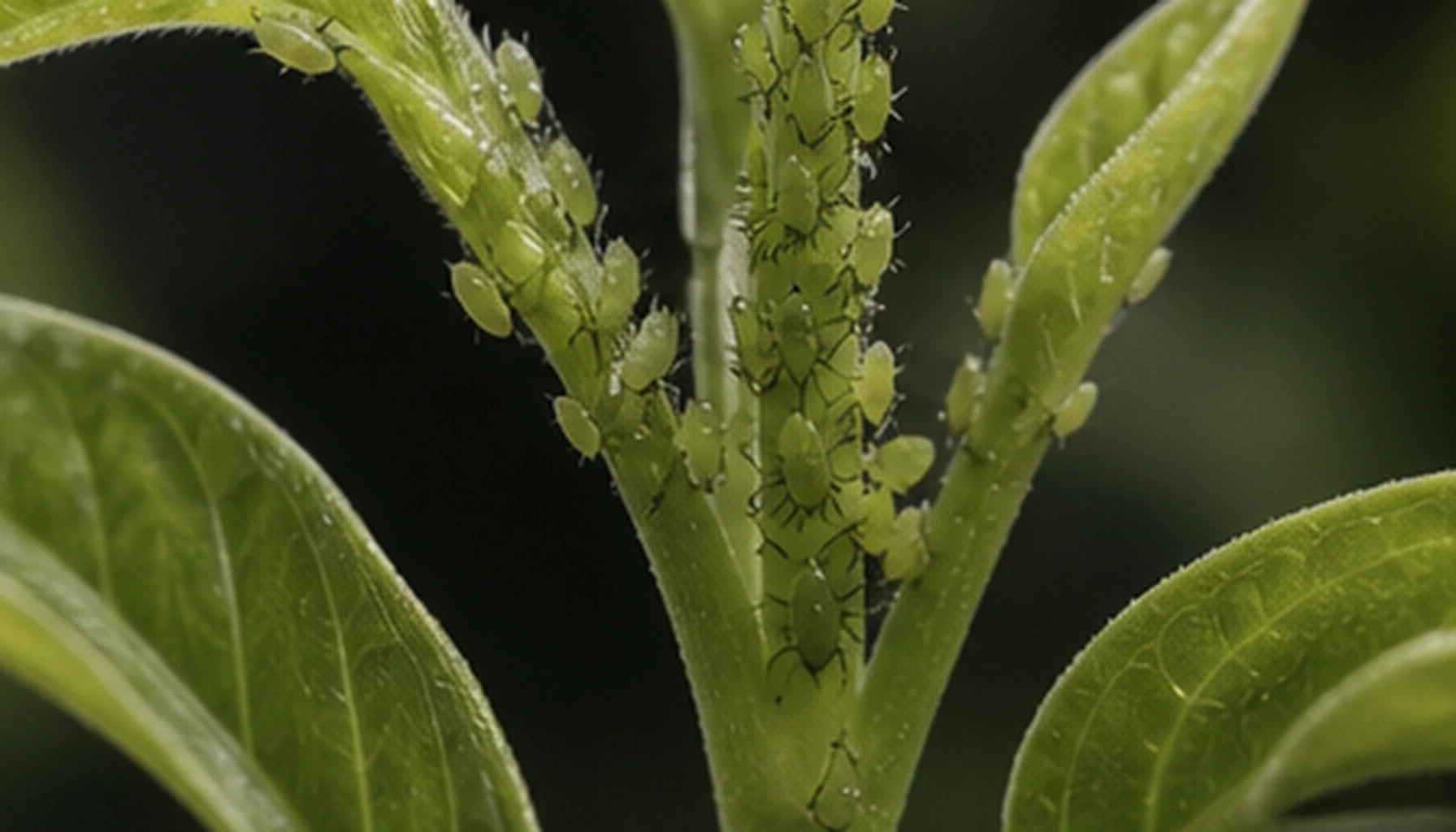
Aphids are tiny piercing-sucking insects, typically only 2 to 4 millimeters in length, with oval or pear-shaped bodies. They come in various colors—commonly green, yellow, black, or white. They favor the most tender parts of plants: new shoots, the undersides of young leaves, and the crevices of flower buds. In the early stages of infestation, you may only see a few scattered aphids, but they reproduce extremely quickly and can form a small colony within days.
Typical signs of infestation include: curled or distorted young leaves, stunted growth of new buds, flower buds failing to open properly, sticky honeydew on leaf surfaces (aphid excretion), and ants appearing nearby (ants feed on honeydew). If you observe these symptoms on new shoots or buds, you can reasonably conclude aphids are the culprit.
Step One: Isolate and Initial Inspection
After discovering aphids, the first step is not to reach for pesticides but to isolate the affected plant. Move it away from other plants and assess the extent of damage. Gently shake the young shoots and observe if any aphids fall off; if they land on the soil surface, clean them up promptly.
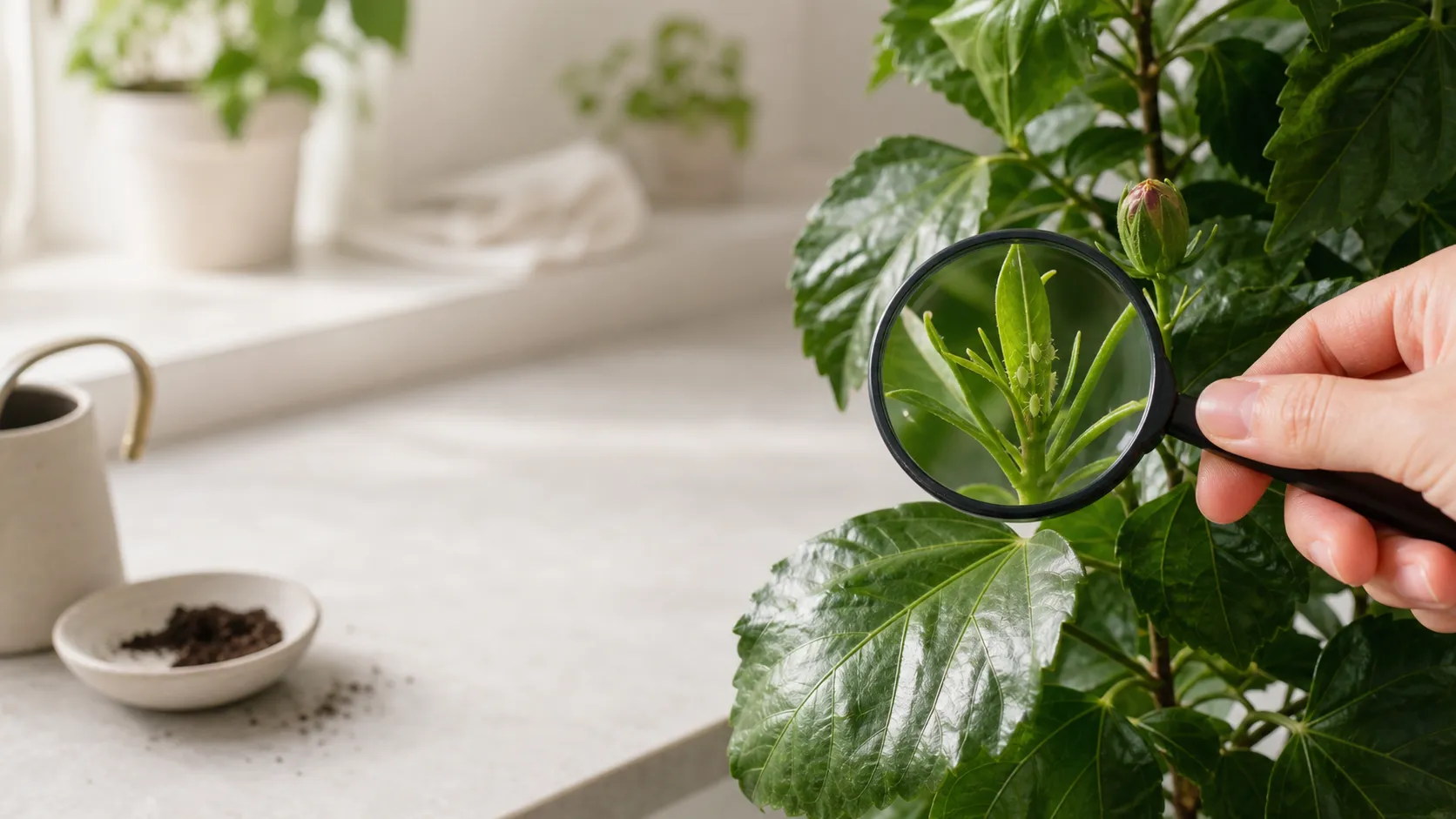
Prepare a magnifying glass or your phone's macro lens and carefully examine the interior of buds and the undersides of leaves. Note the infestation range—this helps you evaluate treatment effectiveness later. If there are only a few aphids, manual removal is entirely feasible.
How to Manually Remove Aphids
For aphids on tender shoots and buds, physical removal is recommended first. Dip a cotton swab in clean water and gently wipe areas where aphids cluster. Work gently to avoid damaging delicate new tissue. You can also use a soft brush (like an old toothbrush) to lightly brush aphids off.
This method is suitable for early-stage infestations with few aphids. After treatment, rinse the young shoots with clean water to remove remaining aphids and honeydew, then return the plant to its isolated location for observation.
Gentle Chemical Treatments
If manual removal proves ineffective or aphids have spread to multiple shoots, you may need to resort to treatments. For home care, gentle methods are recommended:
First, prepare a soap solution—dilute a few drops of mild liquid soap (like dishwashing liquid) in clean water, pour into a spray bottle, and spray the affected shoots and leaf undersides. Soap water destroys the aphid's outer shell, causing them to dehydrate and die.
Second, use neem oil spray—a natural insecticide extracted from the neem tree, effective against aphids and safe for plants. When spraying, ensure coverage of the undersides of young shoots and leaf axils, as these are common hiding spots for aphids.
Important note: After spraying, avoid direct sunlight to prevent leaf burn. Apply two to three times consecutively, with three to four days between applications, to effectively eliminate newly hatched nymphs.
Things You Must NOT Do
When dealing with aphids, there are several things to avoid. First, do not use high-concentration pesticides or strong chemical insecticides—new shoots and buds are extremely tender, and potent chemicals may cause leaf burn, flower drop, or even plant death.
Second, do not vigorously rub the tender shoots. Although aphids are frustrating, new growth is very fragile. Excessive pressure can damage growing points and affect subsequent plant development.
Third, do not skip isolation. Aphids can spread through wind or by ants. Without isolation, the infestation may spread to other plants.
Finally, do not expect one treatment to completely eradicate the problem. Aphid eggs may be hidden in soil crevices or leaf folds, requiring multiple treatments for complete elimination.
Observing Recovery Signals
Within a week after treatment, you need to closely monitor plant changes. Positive signals include: curling shoots stop curling, leaves gradually unfurl, buds begin to swell, and new healthy leaves emerge. Reduced honeydew and disappearing ants also indicate the infestation is under control.
If young shoots remain curled and distortion persists, aphids may still be present and require retreatment. At this point, re-examine the undersides of leaves and crevices in tender shoots to ensure nothing was missed.
Prevention Measures
To prevent aphid recurrence, daily management is key. Regularly inspect plant shoots and leaf undersides—these are where aphids most commonly congregate. Newly purchased plants should be isolated and observed for one to two weeks before being placed near other plants.
Maintain good indoor ventilation and avoid over-applying nitrogen fertilizers (nitrogen promotes tender leaf growth, making aphids more active). Appropriately increase phosphorus and potassium to enhance plants' pest resistance.
For plants that frequently flower or have vigorous new shoot growth, spraying diluted soap water every two weeks during the growing season can serve as a preventive measure. This method is gentle, effective, and unlikely to harm plants.
Summary
Finding aphids on tender shoots and buds is concerning, but as long as you respond promptly and use appropriate methods, the infestation can be controlled. Remember the three-step principle: first observe and isolate, then treat gently, and finally continue observing. Avoid using irritating chemicals, stay patient, and your plants will recover quickly and continue thriving.